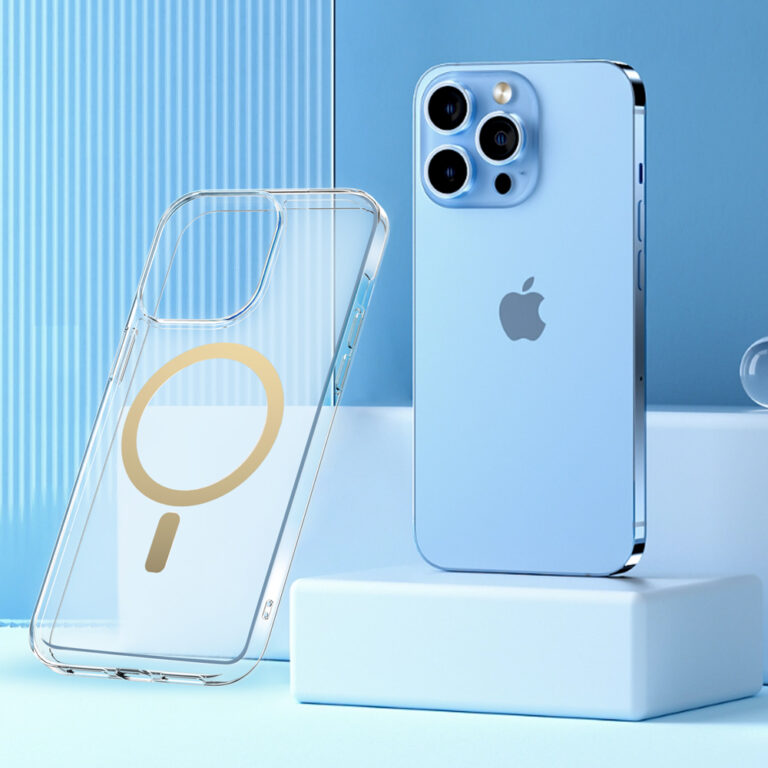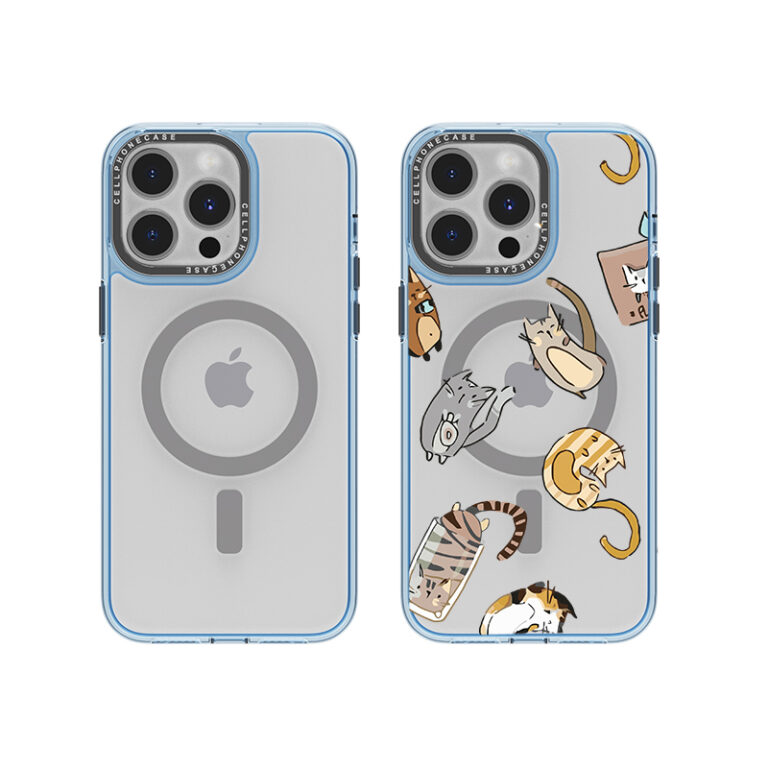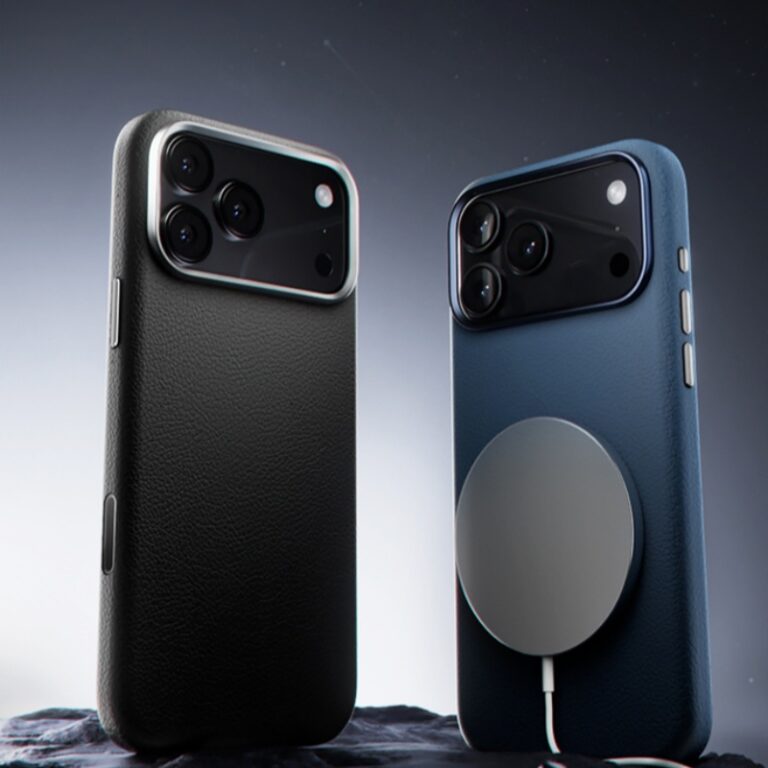
Introduction
In the fast-evolving U.S. accessories market, buyers sourcing mobile phone case products face mounting challenges: saturated suppliers, rising quality demands, and the pressure to offer customization. With the global protective case market projected to grow significantly and U.S. demand expanding rapidly, understanding how to engage in mobile phone case wholesale and customization has become crucial for serious buyers. This guide will walk you through the core issues and practical solutions for 2026.
Key Factors When Sourcing Mobile Phone Case Wholesale
Understanding Market Size & Growth
Mobile phone protective case market data show meaningful growth in the United States: the U.S. market generated approximately USD 2.61 billion in 2023, and is expected to reach USD 4.46 billion by 2030, with a CAGR of about 8% from 2024-2030. Globally, the market was valued at around USD 24.99 billion in 2024 and is projected to reach USD 41.45 billion by 2032.

(Source:VMR)
Implication: This growth means there is space for suppliers and buyers—but also increasing competition and the need for differentiation (e.g., customization, eco-friendly materials).
Wholesale vs. Customization – what to evaluate
When sourcing mobile phone case products, you must compare wholesale volume purchasing (large units, standard designs) versus customization (private label, custom prints, unique materials). For wholesale: volume discounts, standardized SKUs, fast turnaround. For customization: higher margin potential, longer lead-times, minimum order quantities (MOQs).
Checklist of factors:
- Supplier production capacity & quality control
- Materials & compliance (e.g., eco–materials)
- Custom printing/packaging capabilities
- Logistics to U.S. warehouse or direct to customer
- Unit cost vs. margin viability
By focusing on these, you’ll better align with your target buyer segment rather than buying “just cheap cases”.
Quality, compliance & sustainability in 2026
Buyers in the U.S. increasingly expect eco-friendly mobile phone case options and compliance (e.g., recycled plastic, biodegradable materials). The global market report notes rising demand for sustainable materials in mobile phone protective cases.
Practical tip: When requesting quotes, ask suppliers for certificates (e.g., recycled content, RoHS/REACH). This adds buyer confidence and reduces potential returns or regulatory issues.

Case Studies & Real-World Solutions
Case Study 1: Bulk Wholesale of Standard Cases
A U.S. distributor placed a large order of 10,000 units of a standard TPU case design for a popular phone model. By choosing an experienced factory, they negotiated a cost of USD 1.20 per unit (excluding packaging) and shipped via sea-freight to California, arriving in 45 days. After handling customs and local warehousing, landed cost was USD 1.55 per unit. The distributor sold at USD 4.99 retail, leaving margin room for marketing and distribution costs.
Key takeaway: For pure wholesale, volume + efficient logistics = competitive unit cost. But differentiation is limited unless you add private-label packaging.
Case Study 2: Customized Mobile Phone Case for Brand Launch
Another U.S. startup branded “EcoCaseCo” decided to launch a custom mobile phone case line with recycled materials and unique artwork. They partnered with a factory offering MOQ of 2,000 units per SKU, printing in full colour, and used biodegradable polycarbonate. The unit cost was USD 3.75 (higher) but retailed at USD 19.99, promoted as “eco & custom”. They targeted Millennials and Gen Z via Instagram. Within six months they sold 1,800 units of the first run and gained brand visibility.
Key takeaway: Customization involves higher unit cost but can achieve premium pricing and brand positioning.
Action Steps for 2026 Mobile Phone Case Wholesale and Customization
Step 1 – Define Your Buyer Profile & SKU Strategy
Start by identifying your target buyer (e.g., Amazon reseller, retail store, corporate gift). Decide whether you lean toward standard wholesale SKUs or custom-branded mobile phone case lines. Define SKU types, materials, printing methods, packaging.
Step 2 – Select and Audit Suppliers
Request sample units and inspect: fit, finish, drop-protection claims. Verify supplier credentials: certifications, production facility, previous custom work. Negotiate MOQs, lead times, sample cost, payment terms. Ask for material specifications for eco-claims.
Step 3 – Logistics & Landed-Cost Calculation
For U.S.-based buyers, factor in: unit cost, packaging cost, shipping (sea or air), customs duties (if applicable), inland freight, warehousing, and final margin. For example in the earlier case, landed cost rose from USD 1.20 to USD 1.55 due to logistics and customs.
Pro tip: Smaller custom runs may use air freight for speed, but unit cost rises — balance turnaround vs. cost.
Step 4 – Marketing Differentiation
Even in wholesale mode, differentiate: offer color-variant packs, matching accessories (e.g., screen protectors), bundle deals. In customization mode: highlight eco-materials, unique prints, collaboration with influencers. The global market report emphasises personalization and fashion-forward demand in mobile phone protective cases.

FAQ
Q: What is the typical minimum order quantity (MOQ) for mobile phone case customization?
A: It varies widely. For standard wholesale SKUs, MOQs may start at 1,000-5,000 units. For customized private-label orders it may be 2,000-10,000 units per SKU depending on supplier. Always ask early in negotiations.
Q: How much margin can I expect in U.S. retail for mobile phone cases?
A: Based on the case study, landed cost USD 1.55 per unit and retail USD 4.99 yields gross margin ~69%. Custom cases with higher cost (USD 3.75) but retail USD 19.99 yield higher margin but also higher risk and marketing cost.
Q: What materials should I specify for eco-friendly mobile phone case orders?
A: Common eco-materials include recycled polycarbonate, biodegradable TPU, and plant-based plastics. Request certificates or detailed specs. Market research shows sustainability is a growing driver in the mobile phone protective case market.
Q: How long does lead time typically take for custom mobile phone case orders?
A: For production plus shipping to U.S., you might expect 6–12 weeks: sample approval (2-4 weeks), production (3-6 weeks), shipping/clearance (2-4 weeks). Standard wholesale may be faster if stock is available.
Q: Should I target online or offline sales channels when sourcing mobile phone cases?
A: For U.S. buyers, online retail, Amazon marketplace, and direct-to-consumer channels are predominant. But if you serve brick-and-mortar resellers, ensure packaging and barcode/UPC compliance. According to U.S. market data, online channel is growing fastest.