

Introduction: Why the Phone Case Market Demands Brand Strategy
The global phone case brand landscape has evolved dramatically. Once dominated by mass-produced, low-margin products, today’s market rewards innovation, design, and storytelling. For B2B buyers and private-label brands, understanding how Casetify built global recognition reveals what truly drives brand value in this highly saturated industry.
According to Grand View Research (2024), the global phone accessories market is worth over USD 80 billion, and protective cases account for a large portion of that. Yet, only a handful of brands—like Casetify—have successfully elevated a simple functional accessory into a lifestyle-driven, high-margin business.

(source:Grand View Research)
The Rise of Casetify — From Social Customization to Cultural Icon
The Origin Story — Turning Social Media Into a Product Platform
Casetify was founded in 2011 in Hong Kong by Ronald Yeung and Wesley Ng. Its initial concept was simple but visionary: allow users to turn their Instagram photos into custom phone cases. This positioned the company at the intersection of personalization and social expression—a niche that traditional OEM manufacturers had overlooked.
Within the first two years, Casetify’s user base grew rapidly as consumers shared their designs online, essentially turning every purchase into free advertising. This social-first business model created an organic marketing loop that modern D2C brands still try to emulate.

(source:Casetify)
Design as a Differentiator
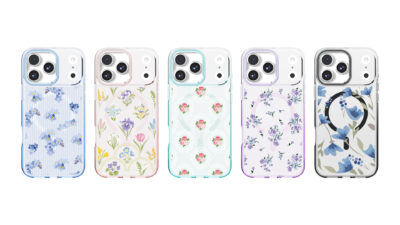
Casetify’s product design strategy blends minimalist aesthetics with bold artistic collaborations. The brand treats phone cases as wearable art pieces, not just protection tools. Its designs feature limited-edition prints, artist partnerships, and collectible packaging—allowing the company to justify premium pricing ($40–$80 per case, compared to $10 generics).
For new phone case brands, this demonstrates that design differentiation is not optional—it’s a fundamental brand pillar that can lift perceived value by multiple times.
How Strategic Collaborations Built Brand Authority
Cross-Industry Collaborations
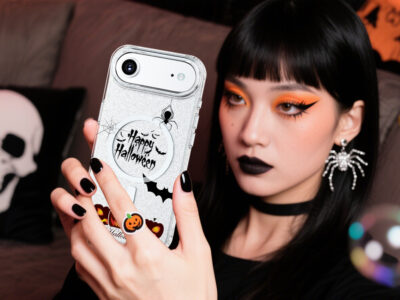
Casetify’s partnerships extend far beyond the tech sector. Collaborations with Disney, Pokémon, The Louvre, NASA, and BTS transformed the brand from a niche accessory label into a cultural platform. Each collaboration created limited-run collections that appealed to fans of those IPs—bringing instant visibility and credibility.
The results were measurable: multiple collections sold out within hours, and search interest for Casetify increased globally after each major partnership.
Artist and Influencer Co-creation
Beyond big IPs, Casetify also collaborates with independent illustrators, photographers, and fashion designers. These collaborations support creative communities while continuously refreshing the brand’s visual identity. This content ecosystem helps maintain a consistent media presence, ensuring Casetify dominates social feeds even without heavy ad spending.
Lessons for OEM and Brand Builders
For B2B buyers or startup brands, this collaboration model demonstrates three key takeaways:
- Micro-collaborations scale brand perception— even small artists can bring niche credibility.
- Limited editions reduce overstockand improve cash flow management.
- IP licensing demands due diligence— ensure all assets are legally cleared before production (an area where reliable OEM partners like Runsuncase add operational value).
Casetify’s Business Model — From D2C to Omni-Channel
Direct-to-Consumer Foundations
Casetify’s rise was powered by its D2C platform, which allowed complete control over pricing, branding, and customer experience. By integrating eCommerce with custom product tools, it captured data on customer preferences—guiding future designs.
The D2C model also facilitated higher margins. Selling directly allowed Casetify to reinvest in R&D, packaging, and influencer campaigns without relying on retailer markups.
Expanding into Retail and B2B
After establishing strong brand equity online, Casetify strategically expanded offline through flagship stores in Hong Kong, Japan, and later the United States. It also began selective wholesale collaborations with major retailers, ensuring physical visibility without diluting exclusivity.
This “digital-first, retail-second” model offers a roadmap for emerging phone case brands:
- Validate product-market fit online.
- Scale selectively offline through curated partnerships.
- Maintain consistent storytelling across every touchpoint.
Building a Sustainable and Ethical Phone Case Brand
Embracing Eco-Friendly Materials
Casetify’s “Re/Casetify” program encourages customers to recycle old cases, addressing growing environmental concerns. With over 60,000 kg of plastic waste recycled since 2023 (company data), Casetify demonstrates that sustainability can coexist with profitability.
For OEM buyers and brand owners, adopting biodegradable TPU, plant-based plastics, or recycled PC materials isn’t just a marketing choice—it’s quickly becoming a buyer expectation.

(source:Casetify)picture is for reference only
Transparency and Product Testing
Premium branding requires premium quality assurance. Casetify’s success reflects robust testing, certifications (such as drop-test verification), and traceable supply chains. Brands that aim to compete in premium markets must document these standards to meet retail compliance and build consumer trust.
OEM manufacturers like Runsuncase can support this through ISO-certified production processes, controlled QC systems, and transparent test reporting.
Market Insights — The Global Potential for New Phone Case Brands
Market Size and Growth
According to Statista (2024), global demand for phone cases continues to grow. The protective case market alone is projected to exceed USD 35 billion by 2030, growing at a steady 6% CAGR.
Regional Breakdown
- North America:Dominated by design-led brands; consumers value brand storytelling.
- Europe:Increasing interest in sustainable materials.
- Asia-Pacific:Fastest-growing market with expanding eCommerce channels and OEM hubs.
This indicates opportunities for both private-label brands (seeking custom designs) and OEM manufacturers (offering scalable production).
Key Trends Driving the Future
- MagSafe and modular compatibilityare redefining case design standards.
- Cultural branding—using heritage and art influences—is gaining traction.
- Hybrid materialslike leather + TPU are rising in premium perception.
- 3D customization and AR visualizationtools enhance online conversion rates.
Each of these trends requires both design agility and manufacturing flexibility — precisely where experienced OEM partners become strategic assets.

What Emerging Brands Can Learn from Casetify
1. Start with a Story, Not Just a Product
Consumers connect with purpose, not just protection. Casetify didn’t sell cases; it sold creative expression. Emerging brands should articulate a clear value narrative — for example, sustainability, cultural fusion, or craftsmanship.
2. Build a Scalable Supply Chain Early
Rapid success can collapse brands that lack production readiness. OEM alignment is crucial to maintain design fidelity, material quality, and delivery reliability.
3. Prioritize Design Diversity
Offer limited runs, but plan modularity — same mold, multiple styles — to balance creativity and efficiency. Runsuncase often supports brands with this hybrid approach, reducing cost per unit while preserving exclusivity.
4. Use Data to Guide Creativity
Casetify’s analytics-driven model helps it spot top-selling designs early and scale them fast. Emerging brands can apply similar logic using Shopify analytics or SKU tracking tools.
FAQ — Practical Insights for Brand Clients and B2B Buyers
Q1: What makes Casetify a top-tier phone case brand?
Casetify built brand authority through creative collaborations, premium materials, and a strong social media ecosystem that continuously engages consumers.
Q2: How can a new brand compete in such a saturated market?
Find an underserved niche (e.g., eco materials, artist-inspired cases) and build partnerships with an OEM that supports both design flexibility and small-batch testing.
Q3: What role does manufacturing play in brand success?
A strong OEM partner ensures consistent quality, protects intellectual property, and shortens the path from concept to mass production — turning creative ideas into tangible products.
Q4: How large is the opportunity for private-label brands?
The protective case market remains resilient, with annual revenues projected in the multi-billions. Brands that focus on identity, design, and quality control can still capture profitable segments.
Q5: What manufacturing standards should buyers look for?
Look for ISO certification, material traceability, drop-test compliance, and customization options — especially for cases designed for Apple or Samsung flagships.
Conclusion — From Insight to Execution
Casetify’s rise illustrates that even in a commoditized industry, strategy and storytelling create differentiation. Its success stems from merging creativity with operational excellence—an approach that any aspiring phone case brand can emulate.
But great branding requires great execution. Turning inspiration into physical products demands design precision, quality control, and agile production systems.
At Runsuncase, we help brands translate strategic insights into market-ready phone case products.
From concept design and material sourcing to OEM manufacturing and packaging, our team supports global brands and startups alike—ensuring each product embodies both creativity and reliability.
(This article is published by Runsuncase — a professional OEM manufacturer specializing in custom phone case production for global brands.)

Copyright & Disclaimer
Disclaimer:
This article is intended solely for informational, educational, and analytical purposes. All trademarks, brand names, and logos, including Casetify®, are the property of their respective owners. The analysis and opinions expressed herein are independent observations and do not imply any affiliation, sponsorship, or endorsement by Casetify or its parent company.
Image Usage Notice:
All product images, brand visuals, and screenshots used in this article are either:
-
Publicly available materials sourced from official brand websites or media kits,
-
Fair-use excerpts used for educational commentary and analysis, or
-
Custom-designed visuals created by our editorial team for illustrative purposes.
If you believe any image or material in this article violates your copyright, please contact us at [henry.li@runsuncase.com], and we will promptly review and remove or replace the content as necessary.
Data Source Credits:
Market data and statistics referenced in this article were obtained from Statista, Grand View Research, and publicly available industry reports. All cited sources are credited for transparency and compliance with fair-use standards.


