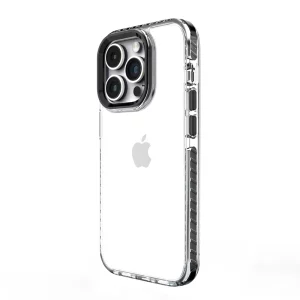
In today’s smartphone-driven world, phone cases are no longer just optional accessories—they are essential products that combine protection, functionality, and personal style. With thousands of models available on the market, understanding phone cases types is important for consumers, retailers, and B2B buyers alike. Different phone case types serve different purposes, from heavy-duty protection to fashion-forward aesthetics and business-oriented functionality.
This article provides a comprehensive overview of the main types of phone cases, explaining their materials, features, advantages, and ideal use scenarios. Whether you are selecting products for resale, developing a product line, or simply researching the market, this guide will help you clearly understand the phone case landscape.

1. Slim Phone Cases
Slim phone cases are designed to offer basic protection without adding bulk. They closely follow the phone’s original shape and are popular among users who value minimalism.
Key Features:
- Ultra-thin profile
- Lightweight construction
- Easy pocket access
Common Materials:
- TPU
- Polycarbonate (PC)
- Thin silicone
Best For:
- Scratch protection
- Everyday use
- Users who prefer a “bare phone” feel
Slim cases typically provide limited drop protection but are highly favored in fashion-oriented and lifestyle markets.

2. Clear Phone Cases
Clear phone cases are among the most popular phone cases types because they allow the phone’s original design to remain visible while offering protection.
Key Features:
- Transparent or semi-transparent design
- Anti-yellowing coatings (premium models)
- Shock-absorbing edges
Common Materials:
- TPU + PC hybrid
- Acrylic
Best For:
- iPhone users who want to showcase color
- Brand logo visibility
- Retail and promotional markets
Clear cases are widely used in OEM and private-label manufacturing due to their broad appeal.(TPU and polycarbonate materials)

3. Rugged Phone Cases
Rugged phone cases are built for maximum protection. They are designed to withstand drops, shocks, dust, and sometimes water exposure.
Key Features:
- Multi-layer construction
- Reinforced corners
- Military-grade drop protection
Common Materials:
- TPU + PC multi-layer
- Rubberized materials
Best For:
- Outdoor activities
- Industrial environments
- Construction and logistics users
Rugged cases are a core category in functional and enterprise-focused phone cases types.(military-grade drop protection standards)

4. Silicone Phone Cases
Silicone phone cases are soft, flexible, and comfortable to hold. They offer moderate protection and are popular for daily use.
Key Features:
- Soft-touch finish
- Good grip
- Easy installation and removal
Common Materials:
- Liquid silicone
- Food-grade silicone (premium versions)
Best For:
- Casual users
- Fashion collections
- Custom color options
Silicone cases are especially suitable for color customization and seasonal product launches.
5. Leather Phone Cases
Leather phone cases emphasize premium aesthetics and professional appeal. They are commonly used in business and executive markets.
Key Features:
- Elegant appearance
- Aging patina over time
- Often combined with wallet functions
Common Materials:
- Genuine leather
- PU leather
- Vegan leather
Best For:
- Business professionals
- Corporate gifting
- High-end retail channels
Leather cases remain a strong segment in luxury phone cases types.
6. Wallet Phone Cases
Wallet phone cases combine phone protection with everyday storage, replacing traditional wallets for many users.
Key Features:
- Card slots
- Cash compartments
- Magnetic or snap closures
Common Materials:
- PU leather
- Genuine leather
- TPU inner shell
Best For:
- Travel
- Minimalist lifestyles
- Users who want convenience
Wallet cases are especially popular in European and North American markets.

7. Flip Phone Cases
Flip phone cases feature a front cover that protects the screen when not in use.
Key Features:
- Full 360-degree protection
- Screen protection without tempered glass
- Auto wake/sleep function (some models)
Common Materials:
- PU leather
- Fabric + TPU
- Hybrid constructions
Best For:
- Users concerned about screen damage
- Business and senior users
Flip cases are a traditional but stable category within phone cases types.
8. Shockproof Phone Cases
Shockproof phone cases are designed to absorb impact and reduce damage from accidental drops.
Key Features:
- Air-cushion corners
- Reinforced frames
- Flexible inner layers
Common Materials:
- TPU
- Hybrid TPU + PC
Best For:
- Daily drop protection
- Users with active lifestyles
Shockproof cases balance protection and usability, making them one of the most practical phone case types.
9. MagSafe & Magnetic Phone Cases
Magnetic phone cases, especially MagSafe-compatible models, are designed to work seamlessly with magnetic accessories.
Key Features:
- Built-in magnetic ring
- Strong alignment
- Accessory compatibility
Common Materials:
- TPU + PC
- Silicone with magnetic module
Best For:
- Wireless charging users
- Car mounts and stands
- Apple ecosystem users
This category has grown rapidly and is now a core trend in modern phone cases types.(MagSafe® compatibility and magnetic charging)

10. Kickstand Phone Cases
Kickstand phone cases include a built-in stand for hands-free viewing.
Key Features:
- Foldable or hidden stand
- Multiple viewing angles
- Media-friendly design
Common Materials:
- TPU + PC
- Metal stand components
Best For:
- Video streaming
- Online meetings
- Gaming
Kickstand cases are increasingly popular in functional phone case designs.

11. Battery Phone Cases
Battery phone cases integrate a power bank into the case, extending battery life.
Key Features:
- Built-in rechargeable battery
- LED power indicators
- Charging port access
Common Materials:
- PC shell
- Lithium battery modules
Best For:
- Travelers
- Heavy phone users
- Outdoor activities
Although bulkier, battery cases fill a unique niche among phone cases types.
12. Custom & Printed Phone Cases
Custom phone cases focus on personalization and branding.
Key Features:
- Custom graphics and logos
- Multiple printing techniques
- Flexible design options
Common Printing Methods:
- UV printing
- Sublimation
- Silk screen printing
Best For:
- Brand promotions
- E-commerce customization
- Gift markets
Custom cases are highly scalable for B2B and DTC business models.

13. Eco-Friendly Phone Cases
Eco-friendly phone cases are designed with sustainability in mind.
Key Features:
- Biodegradable or recycled materials
- Reduced environmental impact
- Natural textures
Common Materials:
- PLA
- Wheat straw
- Recycled TPU or PC
Best For:
- Sustainability-focused brands
- Eco-conscious consumers
This segment is growing rapidly and shaping the future of phone cases types.

Conclusion
There is no single “best” phone case—only the right type for a specific need. From slim and clear designs to rugged, wallet, magnetic, and eco-friendly options, the variety of phone cases types reflects diverse user lifestyles and market demands.
For businesses, understanding these categories helps with product positioning, market segmentation, and inventory planning. For consumers, knowing the differences ensures better purchasing decisions. As smartphones continue to evolve, phone case designs will keep expanding—making this category one of the most dynamic segments in the mobile accessory industry.
By clearly identifying use cases, materials, and features, you can select or develop phone cases that align with both functional requirements and market trends.