
Introduction
In today’s competitive mobile accessory market, printed phone cases have emerged as more than just protective gear—they have become a branding tool. With smartphone adoption exceeding 6.9 billion users worldwide in 2025 (Statista), brands face the challenge of standing out in a crowded market. Consumers want individuality, while businesses want visibility. This tension creates a strong demand for customizable printed phone cases that combine functionality with marketing power.
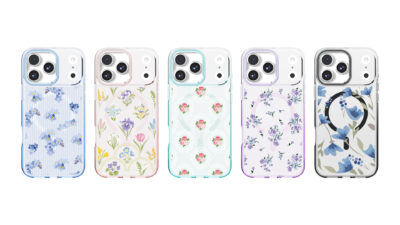
The Appeal of Printed Phone Cases for Merchants
Printed phone cases offer a balance between consumer demand and brand objectives. For merchants, they serve three main purposes:
- High visibility advertising:A phone is used on average 144 times per day (RescueTime study). A branded case essentially acts as a mobile billboard.
- Cost-effective branding:Compared to digital ads with high CPCs, printed cases have a one-time production cost but long-term exposure.
- Customization flexibility:Merchants can align designs with seasonal promotions, influencer collaborations, or limited-edition campaigns.
This combination makes printed phone cases not just an accessory but a practical marketing investment.
Case Study 1: E-Commerce Fashion Brands Leveraging Printed Cases
Fashion brands have been early adopters of printed phone cases. For instance, according to Business of Apps, 60% of Gen Z consumers prefer personalized items over generic ones. A clothing retailer integrated phone cases with their seasonal apparel drops, resulting in a 25% increase in repeat purchases. By offering cases that matched outfits, they created cross-selling opportunities while reinforcing their brand identity.
The lesson here: pairing printed phone cases with existing product lines can extend a brand’s ecosystem without significant overhead.
Case Study 2: Corporate Merchandising and Event Marketing
Printed phone cases are also gaining traction in the corporate sector. At trade shows in the U.S., where nearly 81% of attendees have buying authority (CEIR), companies often distribute branded merchandise. Instead of pens or tote bags, some firms now use printed phone cases. These items last longer, are more visible in daily use, and generate stronger recall rates. A software company reported that 40% of recipients continued using their branded phone cases six months after an event, far outpacing traditional promotional items.
For merchants, this demonstrates how printed cases can bridge the gap between customer engagement and long-term visibility.

Why Manufacturers Matter in Printed Phone Case Success
Behind every successful printed phone case campaign is a reliable manufacturer. Quality, durability, and print accuracy are crucial—low-quality cases can damage a brand’s reputation. This is why merchants often turn to established partners like Runsuncase, a manufacturer known for consistent quality, scalable production, and on-time delivery. Working with a stable supplier ensures merchants can launch campaigns confidently without worrying about delays or defects.
FAQ on Printed Phone Cases
Q1: Are printed phone cases durable enough for daily use?
Yes. High-quality printed cases use UV or sublimation printing, ensuring colors last through regular handling and exposure.
Q2: What types of designs work best for printed phone cases?
Minimalist logos, seasonal graphics, and influencer-inspired artwork often perform well. According to Shopify data, products with unique or limited-edition designs can boost conversions by up to 30%.
Q3: Do printed cases fit different phone models?
Yes. Reputable manufacturers produce cases for a wide range of models, including the latest iPhone and Android devices.
Q4: How can merchants measure the ROI of printed phone cases?
Key metrics include repeat purchase rates, social media mentions (UGC), and brand recall surveys. Some companies use QR codes on cases to track engagement directly.
Q5: Why is choosing the right manufacturer important?
Because poor printing or weak materials can harm brand image. A partner like Runsuncase ensures consistency, quality, and scalable supply, helping merchants avoid risks.