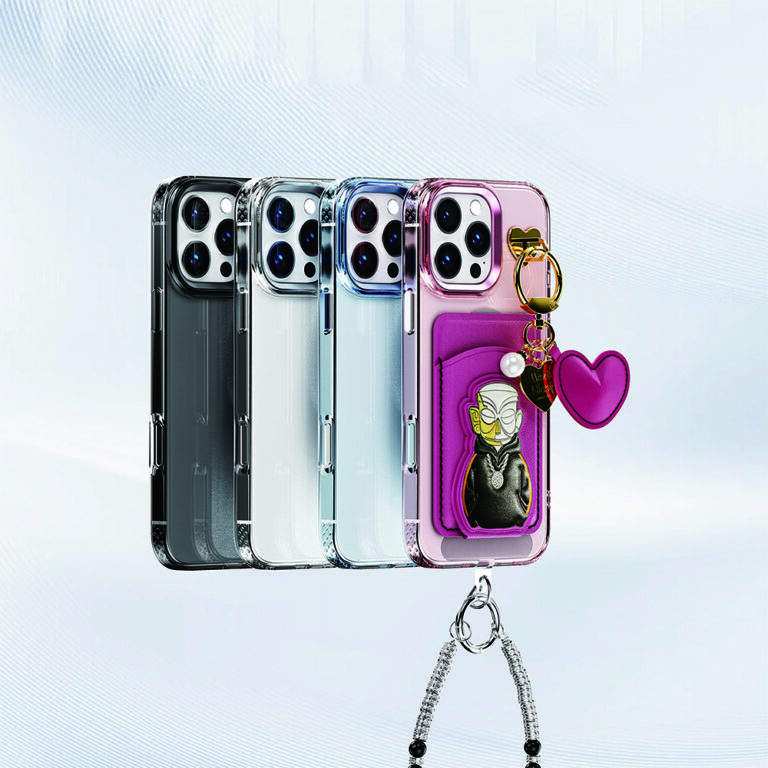
Phone case trends in 2026 point toward a category that combines drop protection, style, magnetic ecosystems, sustainable materials, and modular accessory compatibility. For brands, retailers, and distributors, the strategic challenge is determining which product lines warrant deep SKU inventory versus agile test batches. Product planning must bridge market signals directly with device model coverage, price tier architecture, retail packaging, and replenishment cycles.
What Brands Should Watch First in the 2026 Phone Case Market
The global phone case market outlook remains expansive. Grand View Research’s mobile phone protective cover market report projects global category valuation reaching $29.8 billion in 2026, pinpointing industrial design differentiation, eco-material integration, MagSafe-compatible ecosystems, and agile supply-chain responsiveness as core competitive advantages.
For B2B procurement and product design teams, five commercial signals demand close attention:
- Functional differentiation drives price tiering: Mechanical kickstands, hidden wallet compartments, ergonomic finger grips, and multi-layer shock absorption justify higher retail margins.
- Aesthetic finishes govern replenishment frequency: Crystal-clear composites, curated seasonal colorways, in-mold decoration (IMD), tactile grip textures, and metallic camera bezels allow catalogs to refresh rapidly without re-tooling base molds.
- Magnetic ecosystems expand beyond wireless charging: Protective cases must align seamlessly with modular cardholders, magnetic power banks, car vents, and desktop mounts.
- Material claims face strict regulatory verification: Post-consumer recycled (PCR) resins, bio-based polymers, aerospace aramid fiber, liquid silicone, and vegan leather require verified third-party laboratory certifications.
- Omnichannel retail dictates inventory risk: Brick-and-mortar storefronts depend on curated hero SKUs with consistent replenishment, whereas direct-to-consumer (DTC) channels can validate niche aesthetics using on-demand production.
These dynamics establish the foundation for strategic assortment planning. A design concept warrants capital expenditure only when supported by quantifiable customer demand, distribution fit, and repeatable manufacturing economics.
| Market Driver | Key Product Features | Target Channel | SKU Strategy |
|---|---|---|---|
| Core Everyday | Anti-yellowing clear backs, slim TPU bumpers, integrated magnets | Offline retail, supermarkets | Broad model coverage, high stock depth |
| Functional Utility | Integrated ring kickstands, RFID wallet slots, heavy-duty drop corners | Online DTC, consumer electronics stores | Focused on flagship smartphone tiers |
| Fast Fashion | Seasonal trending prints, metallic accents, tactile textures | E-commerce, lifestyle boutiques | Agile batches, frequent seasonal rotation |
| Eco & Technical | Certified PCR resins, biodegradable bases, woven aramid fiber | Premium corporate, specialty retail | Strict material claims, selective flagship SKUs |
Functional-Fashion Cases Are Becoming Stronger Product Lines
Modern mobile covers have evolved far beyond utilitarian polycarbonate shells. Visual identity and tactile utility now drive consumer purchasing choices, enabling brands to structure multi-tier product collections that protect hardware while elevating perceived value.
Ultra-clear cases cater to users who prefer highlighting the OEM device’s native glass and titanium finishes. Multi-layer rugged cases emphasize military-grade drop defense, while magnetic cases interface with chargers, car mounts, and wallets. Integrated kickstand designs and magnetic wallet cases add practical convenience. Meanwhile, specialized printed phone cases, subtle micro-textures, and anodized aluminum accents satisfy style-conscious demographics.
Brands can strategically tier collections around these form factors. For instance, an entry-level clear magnetic case serves as a baseline high-volume volume driver, whereas an engineered soft-touch kickstand case anchors a premium pricing tier.
Crucially, product differentiation does not necessarily require developing completely new injection molds. Brands can introduce modular changes across camera bezels, independent aluminum buttons, back-panel textures, graphic treatments, lanyard loops, and retail packaging while preserving a qualified base chassis through targeted phone case customization.
Magnetic and Qi2-Compatible Designs Are Expanding Product Planning
Magnetic alignment now operates as the core hub for mobile accessories. A modern protective case must function alongside Qi/Qi2 wireless desktop pads, snap-on cardholders, magnetic stands, and magnetic automobile dashboard clips.
The Wireless Power Consortium’s Qi2 wireless charging standard establishes Magnetic Power Profile (MPP) specifications for precise magnetic coupling, supporting charging rates up to 25W. Consequently, manufacturing reliable magnetic phone cases requires disciplined mechanical engineering rather than treating magnets as purely cosmetic add-ons.
Design Around the Whole Magnetic Stack
Neodymium magnet grade (e.g., N52), magnetic shielding plates, casing thickness, backplate material density, and nearby metallic hardware determine magnetic holding force and inductive efficiency. A heavy leatherette or composite backplate demands precise magnetic depth calibration compared to a thin polycarbonate back. Kickstand hinges and metallic camera rings must also remain outside the charging induction zone to prevent parasitic eddy currents and excess heat buildup.
Your technical sampling brief should explicitly define target phone models, chassis wall thicknesses, magnet array gauss ratings, intended peripheral accessories, and thermal dissipation thresholds before releasing production tooling.
Keep Compatibility and Certification Claims Precise
Retail packaging copy must accurately represent certified testing parameters. Cases engineered to couple with magnetic accessories should specify mechanical compatibility (e.g., “Magnetic Accessory Compatible”) rather than improperly claiming official “Qi2 Certified” hardware status unless the case itself incorporates certified active charging electronics approved by the Wireless Power Consortium.
Material Trends Are Expanding, and Claims Need Evidence
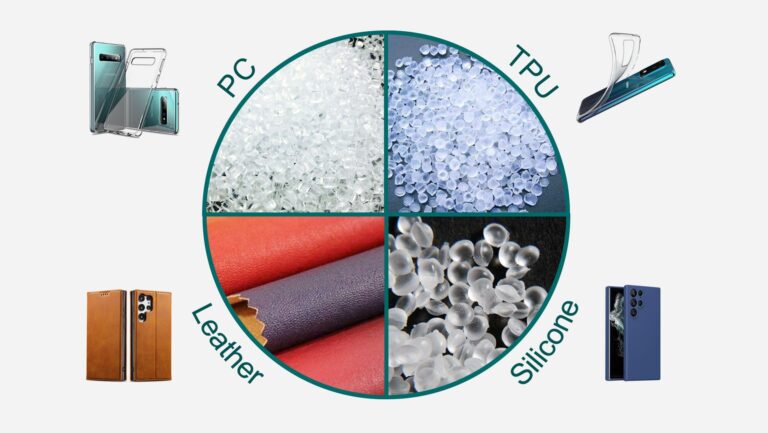
Material composition directly dictates haptics, durability, aesthetic prestige, and environmental positioning. Thermoplastic polyurethane (TPU) and polycarbonate (PC) remain foundational for dual-injection shockproof frames. Liquid silicone and vegan leather deliver luxurious hand feel, while lightweight aramid fiber provides high tensile strength for minimalist, ultra-slim profiles. Concurrently, post-consumer recycled (PCR) plastics and bio-polymers headline modern sustainable phone case programs.
Regulatory bodies strictly audit marketing language. A phone case featuring recycled plastic in its backplate often incorporates virgin silicone bumpers, neodymium magnets, adhesives, and metallic hardware. Marketing claims must specify the exact proportion and specific component utilizing recycled feedstock.
The FTC Green Guides for environmental marketing claims require that terms like “recyclable,” “compostable,” and “recycled content” be substantiated by verifiable laboratory documentation and clear consumer qualification.
Retailers Need Enough Choice Without Excessive SKU Proliferation
Catalog complexity can quickly overburden operations. Multiplying phone models across multiple colorways, prints, and functional styles risks fragmenting inventory across low-velocity SKUs.
The solution lies in disciplined SKU tiering: allocate broad model coverage and deep stock to core everyday protective lines, while managing trend-driven aesthetics through controlled batches.
Keep More Stock Behind Proven Core Cases
Core products represent high-velocity, high-replenishment inventory. Across most distribution channels, these consist of non-yellowing clear cases, standard drop-tested magnetic bumpers, and matte black protective cases tailored to the latest flagship devices.
Physical distribution remains paramount. Grand View Research highlights that offline channels accounted for 66.5% of overall market revenue. For offline store buyers, packaging must communicate drop ratings, camera defense, and magnetic alignment instantly on retail shelves.
To support brick-and-mortar rollouts, Runsuncase’s retail customization service assists brands with standardized blister packaging, hangtag engineering, GS1 barcode integration, and retail counter display planning.
Test Trend and Premium Cases More Selectively
Aesthetic and fashion collections require dynamic inventory management. Seasonal pastel shades, intricate printed graphics, and distinctive surface finishes should launch in smaller trial quantities and scale based on sell-through velocity.
Similarly, premium protective lines—such as genuine aramid weaves or intricate zinc-alloy kickstands—should focus on the top two to three flagship device sizes rather than the entire smartphone catalog. This strategy is essential for B2B brands sourcing custom phone cases wholesale, keeping catalogs fresh without over-committing working capital.
Turn Market Signals Into Actionable Product Decisions
Evaluating industry trends creates value only when translated into executable product specifications. Sourcing teams must first anchor the target consumer persona, primary sales channels, and target retail price bands.
A supermarket chain prioritizes broad device coverage, cost efficiency, drop-test certifications, and automated replenishment. Conversely, an online boutique brand emphasizes fast-moving seasonal graphics, tactile unboxing packaging, and social media trend responsiveness.
Once roles are defined, engineering parameters can be locked. The development brief must outline chassis structures, resin grades, magnet arrays, secondary hardware, device tolerances, and packaging dielines. Partnering with Runsuncase’s brand customization service enables brands to leverage proven tooling platforms, evaluate custom mold options, and streamline pre-production sampling.
Plan Your 2026 Assortment Around Verified Demand
The 2026 phone case market rewards brands that combine functional utility, magnetic performance, sustainable materials, and disciplined retail merchandising. Focus working capital on high-velocity core cases with reliable model coverage, and introduce functional upgrades and trend colorways through calculated test batches. Grounding each SKU in verified market demand ensures healthy inventory turnover and sustainable profit margins.
Frequently Asked Questions
Q1. Which phone case styles deliver the strongest sales velocity in 2026?
Magnetic clear cases, integrated kickstand bumpers, hybrid protective shells, and minimalist magnetic wallet cases continue to demonstrate the strongest commercial demand across offline and online channels.
Q2. Why is magnetic accessory compatibility critical for new phone cases?
Modern consumers expect cases to interface smoothly with ecosystem peripherals, including Qi/Qi2 wireless chargers, snap-on wallets, and car dashboard mounts, making magnetic integration a necessary baseline specification.
Q3. How should distributors manage inventory for older smartphone models?
Review trailing 90-day sell-through data. Maintain lean stock of high-demand staple designs—such as standard clear and protective black magnetic cases—while phasing out niche decorative styles for legacy devices.
Q4. What documentation is required to label a phone case as eco-friendly?
Brands must provide third-party material certifications (such as GRS for recycled plastics or ASTM D6400 for compostable polymers) and ensure packaging claims clearly state the exact percentage and components containing recycled content.