Magnetic phone cases require more than adding a ring to the back panel. For brands developing a custom MagSafe phone case, product decisions around magnet layout, case thickness, materials, accessories, and packaging claims all affect the final customer experience. A clear development plan helps brands create cases that work with the intended devices and accessories before moving into bulk production.
What Buyers Should Confirm Before Developing Magnetic Cases
A magnetic case project should start with the product requirements, not only the magnetic component. The case structure, target devices, materials, thickness, accessories, and intended use all affect the final design. Before sampling, brands should confirm:
- Target phone models and device dimensions
- Intended magnetic ecosystem and accessories
- Case material and back-panel construction
- Overall case thickness
- Magnet position and specification
- Wireless charging requirements
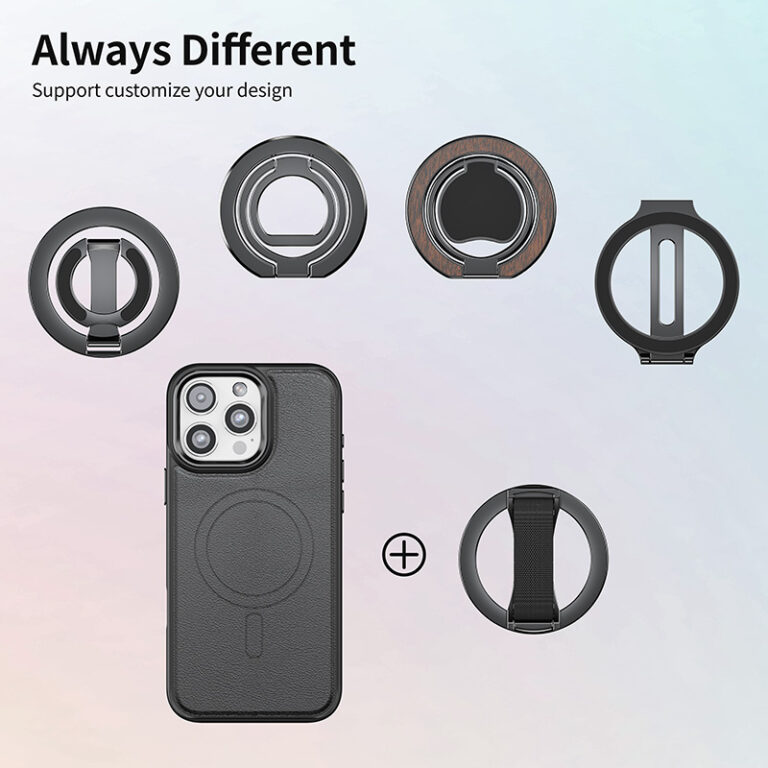
- Functional components such as stands, wallets, or grips
- Packaging claims and compatibility wording
A thin clear case and a thicker protective case may need different magnetic layouts because the distance between the phone, charging coil, and accessory changes. The intended accessories should also be defined early. A case designed for a charger may have different priorities from one designed for a wallet, car mount, or stand. Confirming the main use case helps the development team balance magnetic hold, case structure, and everyday usability.
Magnet Layout and Case Structure
The magnetic system needs to work together with the full case design. The magnet location, back-panel material, thickness, and surrounding components all affect how the finished product performs.
Magnet Position and Material Selection
The magnet ring should be positioned based on the target phone and accessory requirements. The back panel around the ring also needs attention because materials, thickness, and decorative layers can affect the distance between the magnetic components. For example, a clear PC back panel, a TPU + PC hybrid structure, and a thicker protective case may require different design considerations. Decorative plates, metal parts, coatings, and other components should also be reviewed during development.
The goal is to create a balanced case structure where the magnetic function fits naturally into the product instead of being treated as a separate part.
Consider Thickness, Camera Area, and Functional Parts
Case thickness affects both accessory connection and wireless charging performance. A thicker structure may improve protection, but it also changes the space between the phone and external accessories.
During design review, brands should also check the relationship between the magnetic area and other case features, including camera protection, raised edges, kickstand movement, wallet attachment, grip placement, button structure, and internal support layers.
A feature added to the back of the case should support the overall case design without affecting magnetic performance or everyday use.
For brands developing a custom MagSafe phone case, Runsuncase can help review available case structures, materials, finishes, and functional requirements during the product development process through its brand customization service.
Wireless Charging and Accessory Testing
Magnetic case development should include real accessory testing before bulk production. A design that looks correct in a drawing still needs to be reviewed as a finished sample with the intended devices and accessories.
Test the Complete User Setup
Review the finished sample with the target phone and intended accessories, including wireless chargers, magnetic wallets, car mounts, stands, and magnetic power banks where relevant. The test should confirm that the case fits correctly, maintains the expected magnetic connection, and works with the planned accessories. A case designed mainly for charging may need different checks from one designed for mounting, wallet attachment, or other daily uses.
Defining these use cases before sampling helps brands focus on the functions that matter most and gives the development team clear requirements before bulk production.
Review Samples Before Bulk Production
Sample review should confirm that the finished case matches the approved product requirements before bulk production begins. Test the case with the intended phone model and accessories, then review magnetic alignment, charging performance, case fit, button response, camera opening, surface finish, logo placement, and packaging presentation.
If any part of the sample needs adjustment, record the updated requirement before production files are finalized. A clear sample reference helps ensure that the bulk order follows the approved product version, including structure, appearance, function, and packaging details.
iPhone, Android, and Qi2 Planning Differences
Magnetic case planning depends on the device ecosystem and the accessories the product is expected to support.
iPhone Magnetic Accessory Planning
iPhone cases are often developed around the MagSafe accessory ecosystem, where users may expect compatibility with chargers, wallets, stands, and mounts.
For brands developing custom MagSafe phone cases, the brief should define the intended iPhone models, accessory use cases, case structure, and compatibility wording before sampling.
Android and Qi2 Planning
Android devices can involve different accessory expectations. Qi2 is expanding the magnetic wireless charging ecosystem, but brands still need to define the specific devices, accessories, and claims they want to support.
A case designed for one Android model may require different considerations from another because phone dimensions, camera placement, internal structure, and accessory availability can vary.
The development brief should therefore focus on the actual device and intended accessory experience rather than applying one magnetic design approach to every phone.
Packaging Claims Brands Should Verify
Packaging claims should match the actual product capabilities, sample results, and intended accessory use. Terms such as MagSafe compatible, Qi2 ready, magnetic, and wireless charging compatible can describe different levels of product support, so brands should confirm the correct wording before printing packaging or product pages.
The Wireless Power Consortium defines requirements for Qi and Qi2 certification marks. Brands planning to use certification-related claims should follow the relevant guidelines outlined in the Qi wireless charging standards. A magnetic case may work with magnetic accessories without being a certified Qi2 product, so packaging language should clearly match what has been tested and approved.
How to Prepare a Magnetic Case Development Brief
Before sampling a magnetic case, prepare the key product information:
- Target devices: List the phone models included in the project and confirm the required device specifications.
- Case structure: Define the case type, such as slim, protective, clear, wallet, or kickstand designs.
- Materials and thickness: Confirm the planned materials, back-panel structure, target thickness, and surface finish.
- Magnetic requirements: Specify the magnet layout, intended accessories, magnetic performance expectations, and any compatibility requirements.
- Functional features: Include requirements for stands, wallets, grips, camera protection, buttons, or other components.
- Design details: Prepare colors, artwork, logo placement, patterns, and finish references.
- Testing plan: List the chargers, wallets, mounts, stands, or other accessories that need to be checked during sample review.
- Packaging requirements: Confirm product names, compatibility wording, barcode information, labels, and retail packaging needs.
- Order details: Provide expected quantity, SKU breakdown, launch timing, and possible reorder plans.
A complete brief gives the development team a clear reference for sampling and helps ensure the approved product matches the final production requirements.
Build Magnetic Cases Around the Complete Product Experience
A successful magnetic case combines the right structure, materials, accessories, testing, and packaging claims. The magnet itself is only one part of the product decision. For brands developing magsafe custom phone cases, a clear development brief and sample review process can reduce changes before bulk production. The final product should match the intended device, accessory ecosystem, retail positioning, and customer expectations.
FAQs
Q1. Does Adding a Magnet Ring Make a Phone Case MagSafe Compatible?
A magnet ring is one part of a magnetic case design, but compatibility also depends on case structure, magnet position, thickness, and the intended accessories. Brands should verify the finished sample with the target devices and accessories before using compatibility claims.
Q2. Can a Thick Protective Case Support Magnetic Accessories?
It depends on the case structure, magnet design, materials, and accessory requirements. Testing the finished case with the intended charger, wallet, stand, or mount helps confirm whether the design meets the expected use case.
Q3. Are MagSafe and Qi2 the Same for Phone Case Development?
They are related through magnetic alignment and accessory ecosystems, but they are different standards and product ecosystems. Brands should confirm the exact compatibility requirements and packaging wording for each product.
Q4. What Should Brands Test Before Ordering Magnetic Phone Cases in Bulk?
Test the finished sample with the intended phone model and accessories. Review magnetic alignment, charging use, fit, function, appearance, and packaging information before approving bulk production.
Q5. Can One Magnetic Case Design Work Across Different Phone Models?
A design concept may be adapted across models, but each phone model requires its own fit, camera area, dimensions, and sample review. Confirm each model separately before expanding the product range.