The smartphone accessory industry is entering a pivotal transformation phase as foldable smartphones gain momentum worldwide. What was once a niche innovation has steadily evolved into a commercially viable product category, reshaping not only device design but also the entire ecosystem of protective accessories. Within this ecosystem, the Foldable Phone Case market is emerging as one of the most promising growth segments, driven by technological advances, changing consumer behavior, and expanding device adoption.
As foldable smartphones continue to mature, the demand for specialized protective solutions is no longer optional—it is essential. This article explores future opportunities in the foldable phone case market, analyzing industry drivers, innovation trends, consumer expectations, and the potential impact of Apple entering the foldable phone space.

The Evolution of Foldable Smartphones and Accessory Demand
Foldable smartphones have transitioned from experimental products to mainstream premium devices. Brands such as Samsung, Huawei, Motorola, OPPO, and HONOR have released multiple generations of foldable phones, each iteration improving durability, hinge reliability, and display performance. These improvements have increased consumer confidence, directly influencing accessory purchasing behavior.
As device complexity increases, so does the need for specialized protection. A Foldable Phone Case must protect not only the screen and frame but also the hinge mechanism, which remains the most delicate component. This creates a clear opportunity for manufacturers capable of developing precise, device-specific solutions.(foldable smartphones)
Why Foldable Phone Cases Represent a Unique Market Segment
Unlike traditional smartphone cases, foldable phone cases require a fundamentally different engineering approach. The design must accommodate movement, flexibility, and structural integrity simultaneously.
Key differences include:
- Hinge-specific protection without limiting folding motion
- Segmented or articulated case structures
- Ultra-thin materials to prevent added bulk
- Balanced weight distribution across folding points
These factors significantly raise design and production complexity, creating a market where technical expertise becomes a competitive advantage rather than a cost burden.

Market Growth Drivers for Foldable Phone Cases
1. Expanding Foldable Smartphone Adoption
Global shipments of foldable smartphones continue to grow year over year. As more manufacturers enter the market and production costs decrease, foldable devices are becoming accessible to a wider audience. Each new device model introduces demand for corresponding Foldable Phone Case designs, fueling continuous market expansion.(foldable smartphone market growth)

2. Premium Pricing and Higher Margins
Foldable smartphones are positioned in the premium price segment, often retailing at significantly higher prices than standard phones. As a result, consumers show a higher willingness to invest in protective accessories. Foldable phone cases benefit from higher perceived value, allowing brands to maintain stronger margins compared to conventional phone case categories.
3. Faster Accessory Replacement Cycles
Foldable phones are still evolving rapidly. Small changes in hinge design, thickness, or screen size often require new case designs, leading to shorter accessory life cycles and increased repeat purchases.
Design and Material Innovation as Opportunity Catalysts
Advanced Hinge Protection Solutions
Hinge protection remains one of the most critical challenges in foldable phone case design. Future opportunities lie in:
- Flexible hinge covers using TPU or elastomer materials
- Floating hinge protection structures
- Modular hinge components that reduce friction and wear
Brands that master hinge-focused engineering will be better positioned to build long-term differentiation.(advanced composite materials)

Lightweight and Ultra-Thin Materials
Consumers frequently express concerns about bulkiness. Advanced materials such as aramid fiber, carbon composites, and hybrid PC-TPU structures allow manufacturers to develop slim yet protective Foldable Phone Case designs. Material innovation will remain a key driver of product evolution.
Functional Integration
Beyond protection, foldable phone cases are increasingly expected to enhance usability. Popular integrated features include:
- Built-in stands for flex-mode viewing
- Stylus holders for productivity-focused users
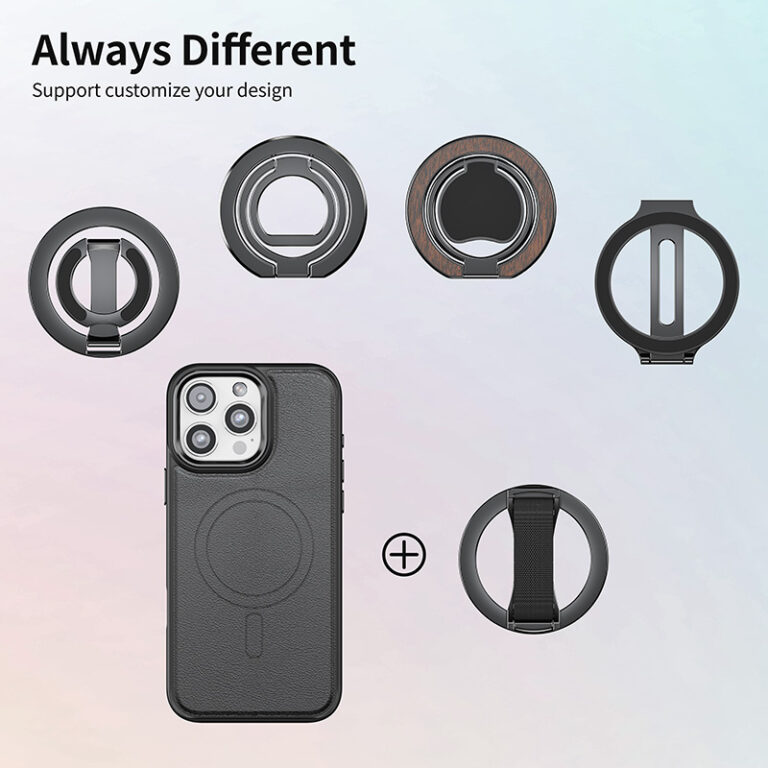
- Magnetic compatibility for mounts and accessories
- Detachable front covers for display protection
These multifunction designs help brands move beyond price competition and build stronger value propositions.
Consumer Segmentation and Buying Behavior
Productivity and Business Users
Foldable phones appeal strongly to professionals who value multitasking and productivity. This segment prioritizes durability, stability, and professional aesthetics. Foldable phone cases designed for business use—offering stand functionality and reinforced protection—represent a high-value opportunity.

Lifestyle and Design-Oriented Consumers
Another growing segment consists of fashion-conscious users who view foldable phones as lifestyle products. For these consumers, visual design, materials, and brand identity matter as much as protection. Minimalist designs, premium finishes, and color variations can significantly influence purchasing decisions.
Regional Market Opportunities
North America and Europe
These regions are characterized by strong purchasing power and high brand loyalty. Consumers place greater emphasis on product quality, sustainability, and brand credibility. Eco-friendly materials and transparent durability testing can be effective differentiation strategies for foldable phone case brands.
Asia-Pacific
Asia-Pacific remains the fastest-moving foldable phone market. Shorter product cycles and frequent new device launches create strong demand for rapid case development. Speed-to-market and supply chain agility are critical success factors in this region.

Apple and the Foldable iPhone: A Potential 2026 Turning Point
One of the most significant future catalysts for the Foldable Phone Case market may be Apple’s potential entry into the foldable smartphone category. Industry analysts widely predict that Apple could introduce its first foldable iPhone as early as 2026, following years of patent activity and supply chain preparation.(Apple foldable iPhone rumors)
If Apple launches a foldable iPhone, the impact on the foldable phone case market could be substantial:
- Apple’s ecosystem-driven user base would rapidly increase foldable adoption
- Accessory demand would surge immediately at launch
- Higher design standards would push case innovation forward
- Premium pricing would further elevate accessory margins
Historically, Apple’s entry into new hardware categories has accelerated market standardization and consumer acceptance. A foldable iPhone could mark the transition of foldable devices from early adopters to mass-market consumers, dramatically expanding demand for high-quality foldable phone cases.(foldable phone case compatibility)
Sustainability and Long-Term Brand Strategy
Sustainability is becoming increasingly relevant across consumer electronics. Foldable phone case brands can explore future opportunities by:
- Using recyclable or biodegradable materials
- Reducing plastic packaging
- Designing modular cases that extend product lifespan
Sustainable practices not only address regulatory pressures but also strengthen long-term brand trust and differentiation.
The Role of E-Commerce and Digital Marketing
The complexity of foldable phone cases makes education a critical part of the sales process. E-commerce platforms allow brands to:
- Demonstrate folding mechanics through video and 3D visualization
- Explain hinge protection and material benefits
- Collect user feedback for rapid product iteration
SEO-focused content plays a vital role in capturing demand as consumers search for compatible foldable phone cases for specific models.
Challenges That Shape Competitive Advantage
The foldable phone case market presents clear challenges, including high R&D costs, rapid device iteration, and inventory risks tied to specific models. However, these challenges also act as barriers to entry, favoring experienced manufacturers with strong design and supply chain capabilities.
Brands that can anticipate device trends, manage tooling investments, and maintain production flexibility are best positioned for long-term success.

Conclusion
The Foldable Phone Case market represents one of the most dynamic and opportunity-rich segments within the smartphone accessory industry. As foldable devices continue to gain adoption, demand for specialized, high-performance protective solutions will accelerate.
Looking ahead, potential developments such as Apple’s rumored foldable iPhone in 2026 could redefine the market landscape entirely. For brands and manufacturers willing to invest in innovation, materials, and user-centric design, foldable phone cases are not just an accessory category—they are a strategic growth engine for the future.(foldable phone case manufacturer)
If you have any requirements for customizing a foldable phone case, please feel free to contact Runsuncase at any time.