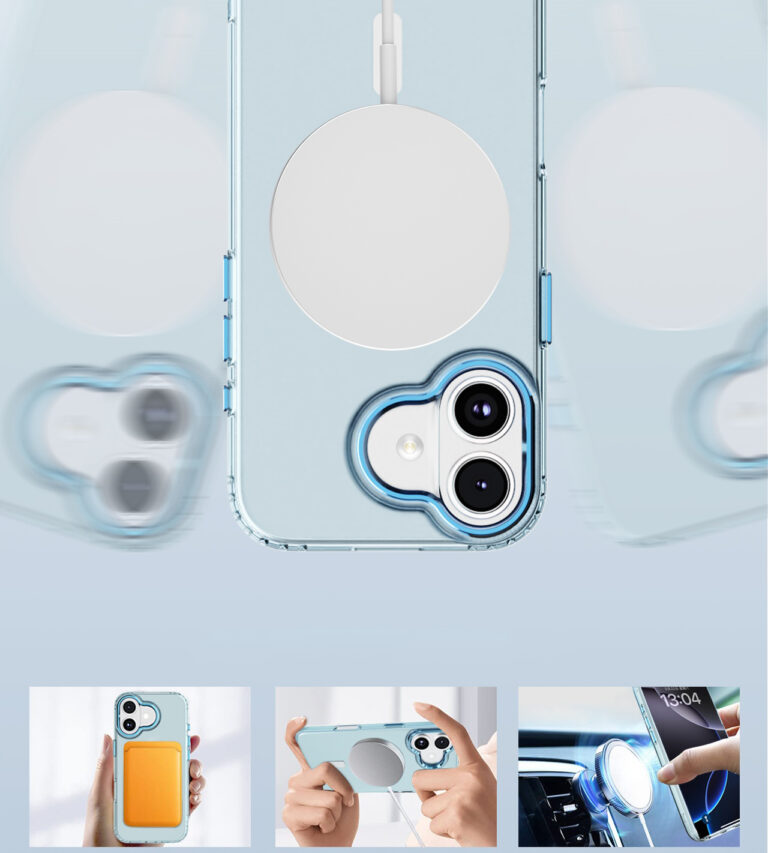
Clear phone cases have become a staple accessory for smartphone users who want protection without hiding their device’s original design. Clear phone cases offer a minimalist, modern look and pair well with any style, making them one of the most popular phone case choices worldwide. However, many users notice an unavoidable issue after weeks or months of use: the case slowly turns yellow.
This change often raises questions about product quality, material safety, and durability. In reality, yellowing is a common and well-documented material phenomenon rather than a simple manufacturing flaw. Understanding why clear phone cases turn yellow over time can help consumers make better purchasing decisions and help brands optimize material selection and product communication.

What Are Clear Phone Cases Made Of?
To understand yellowing, it is essential to first understand the materials used in clear phone cases. Most clear cases are manufactured using one or a combination of the following materials:
Thermoplastic Polyurethane (TPU)
TPU is the most widely used material for clear phone cases. It is flexible, shock-absorbing, and cost-effective. TPU provides excellent drop protection and is easy to mold, making it ideal for mass production. However, TPU is also the material most prone to yellowing.
Polycarbonate (PC)
Polycarbonate is a hard plastic commonly used for rigid clear phone cases. PC is more resistant to scratches and yellowing than TPU, but it lacks flexibility and shock absorption when used alone. Many premium clear cases combine PC backs with TPU frames.

Silicone and Hybrid Materials
Some clear cases incorporate silicone or hybrid polymer blends. These materials can improve grip and comfort, but they do not completely eliminate discoloration over time.
The Science Behind Yellowing in Clear Phone Cases
Yellowing is primarily caused by chemical reactions within the case material. Several external and internal factors accelerate this process.
Oxidation: The Primary Cause
Oxidation occurs when the polymers in TPU react with oxygen in the air. Over time, this reaction breaks down the polymer chains, leading to a visible yellow or brown tint. TPU contains carbon-based compounds that are particularly sensitive to oxidation.
Even when a clear phone case is not exposed to sunlight, oxidation still happens gradually as long as the case is in contact with air.

UV Light Exposure
Ultraviolet (UV) radiation from sunlight is one of the biggest accelerators of yellowing. When clear phone cases are exposed to UV light, the energy breaks down molecular bonds in the plastic, speeding up oxidation and discoloration.
This is why phone cases used outdoors frequently or placed near windows tend to yellow faster than those kept indoors.

Heat and Environmental Temperature
High temperatures also contribute to material degradation. Leaving a phone in a hot car, near heating sources, or under direct sunlight can accelerate chemical reactions inside the case.
Heat does not directly cause yellowing, but it amplifies oxidation and UV damage, shortening the lifespan of clear phone cases.
Skin Oils and Daily Use
Daily handling introduces skin oils, sweat, and cosmetics to the phone case surface. Over time, these substances seep into microscopic pores in the plastic, especially in softer TPU materials.
The buildup of oils and residue can darken the case and make the yellow tint more noticeable, particularly around the edges where the case is frequently touched.

Pollution and Airborne Chemicals
Urban environments contain higher levels of pollutants such as smoke, dust, and airborne chemicals. These particles can react with plastic surfaces, contributing to discoloration and surface staining over time.
Is Yellowing a Quality Defect?
Many consumers assume yellowing indicates poor quality, but this is not always true. Yellowing is a natural aging process for most transparent polymers, especially TPU.
Even high-end clear phone cases from premium brands can yellow over time. While manufacturing quality and material formulation can slow the process, no TPU-based clear case can remain perfectly transparent forever.
That said, low-quality materials may yellow faster due to:
- Poor polymer purity
- Lack of UV stabilizers
- Inferior manufacturing processes
Why TPU Yellows Faster Than Other Materials
TPU is popular because it balances flexibility, protection, and cost. However, its chemical structure includes urethane groups that are particularly sensitive to UV light and oxygen.
Compared to PC:
- TPU is more elastic but less chemically stable
- TPU absorbs oils more easily
- TPU shows discoloration sooner under UV exposure
This trade-off explains why most clear phone cases with soft frames experience yellowing first around the edges.
Can Clear Phone Cases Be Made Anti-Yellow?
Manufacturers use several techniques to slow down yellowing, although it cannot be completely prevented.
UV Stabilizers
Adding UV inhibitors to the plastic formula can significantly slow discoloration. These additives absorb or neutralize UV radiation before it damages the polymer chains.
Anti-Oxidation Coatings
Some premium clear phone cases use surface coatings designed to reduce oxidation and oil absorption. These coatings can delay yellowing and make the case easier to clean.
Material Blending
Hybrid designs that combine a PC back with a TPU bumper tend to age better visually. The PC section stays clearer for longer, while TPU provides impact protection.

How Long Does It Take for Clear Phone Cases to Turn Yellow?
The timeline varies depending on usage and environment:
- Low exposure, indoor use:6–12 months
- Daily outdoor use: 3–6 months
- High heat and sun exposure: As little as 2–3 months
Cases exposed to sunlight, sweat, and frequent handling will discolor much faster than those used in controlled environments.
Can You Prevent or Slow Yellowing?
While yellowing cannot be completely avoided, users can significantly slow the process by following a few practical tips.
Clean Your Case Regularly
Wipe the case weekly with mild soap and warm water to remove oils and dirt before they penetrate the material.
Avoid Excessive Sunlight
Limit prolonged exposure to direct sunlight, especially when not in use.
Keep Away From Heat Sources
Avoid leaving your phone in hot cars or near heat-emitting devices.
Remove Case Periodically
Removing the case occasionally allows trapped heat and moisture to dissipate, reducing long-term damage.
Do Cleaning Methods Reverse Yellowing?
Once oxidation has occurred, yellowing cannot be fully reversed. Some cleaning hacks using baking soda or alcohol may slightly improve appearance, but they do not restore the original transparency.
These methods only remove surface stains, not chemical changes within the plastic.
Are Clear Phone Cases Still Worth Buying?
Despite yellowing concerns, clear phone cases remain extremely popular for several reasons:
- They showcase the phone’s original design
- They pair well with any color or outfit
- They are lightweight and versatile
- They are often more affordable
For many users, replacing a clear case every 6–12 months is an acceptable trade-off for aesthetics and protection.
Clear Phone Cases vs. Other Case Types
Compared to opaque or colored cases, clear phone cases prioritize visual minimalism over long-term appearance stability. Dark or patterned cases hide aging better, but they do not offer the same transparency.
For users who value style flexibility and device visibility, clear phone cases remain a practical choice.
Sustainability and Material Innovation
As consumer awareness grows, manufacturers are exploring anti-yellow eco-friendly materials, including bio-based polymers and recyclable plastics.
While these innovations show promise, most sustainable clear materials still face similar aging challenges as traditional plastics.

Final Thoughts
Clear phone cases turn yellow over time due to oxidation, UV exposure, heat, and daily handling. This process is a natural result of polymer aging, especially in TPU-based materials. While modern manufacturing techniques can slow yellowing, no clear case remains perfectly transparent forever.
Understanding the science behind discoloration helps set realistic expectations and encourages smarter product choices. With proper care and informed use, clear phone cases can maintain their appearance longer while continuing to provide reliable protection.
For both consumers and brands, transparency—both literal and material—is key to making clear phone cases a lasting favorite.