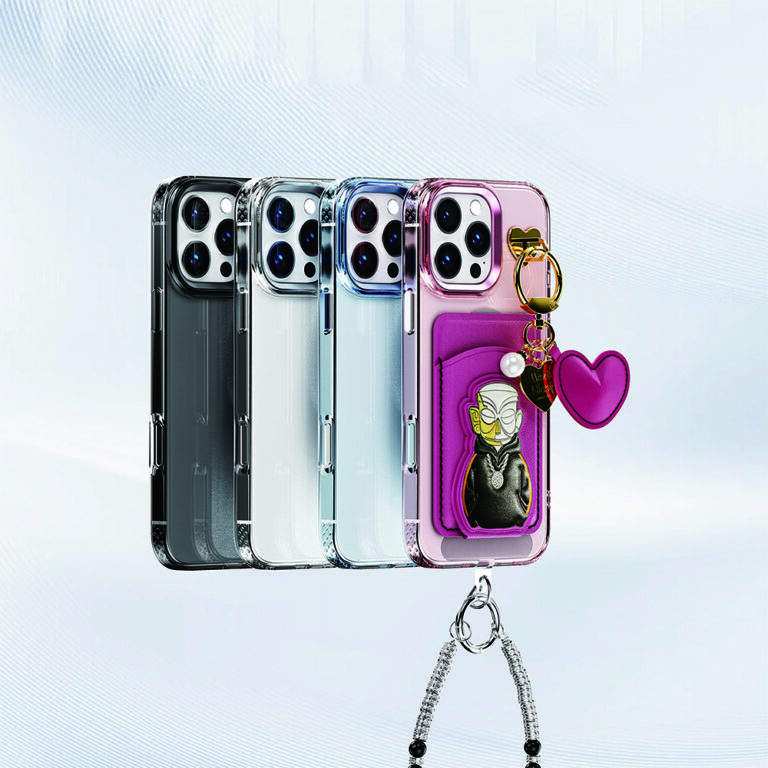
In the world of phone accessories, IML phone cases have emerged as a top choice for brands seeking durability, vibrant designs, and premium feel. IML, or In-Mold Labeling, is a manufacturing process that embeds decorative labels into the plastic during molding. This article explores the complete IML phone case production process, highlighting both the technical steps and the advantages of choosing IML cases.

What Is an IML Phone Case?
An IML phone case combines protection with style. Unlike traditional cases, where a printed design is applied after molding, IML integrates the artwork directly into the plastic during production. This ensures a seamless, scratch-resistant finish that maintains its visual appeal over time. Brands favor IML for its flexibility in designs, from intricate patterns to metallic or glossy textures, while retaining the robustness of a standard case.
Step-by-Step Manufacturing Process of IML Phone Cases
1. Design and Label Preparation
The first stage involves creating the case design and the corresponding labels. IML labels are printed on a flexible substrate, typically using offset or digital printing methods. These labels include all colors, patterns, and sometimes textures that will appear on the final product. High precision is essential to ensure that the artwork aligns perfectly with the case mold.
2. Mold Selection and Preparation
Once the labels are ready, the next step is preparing the injection molding machine. The mold must match the exact dimensions of the target phone model. Engineers also ensure that the mold can accommodate the IML label without misalignment or air bubbles. Precision at this stage directly affects the case quality.
3. Label Placement
In this step, the printed labels are carefully placed into the mold cavities. This can be done manually or via robotic automation, depending on production scale. The placement must be exact because the molten plastic will flow around and bond with the label during molding, making corrections impossible later.
4. Injection Molding
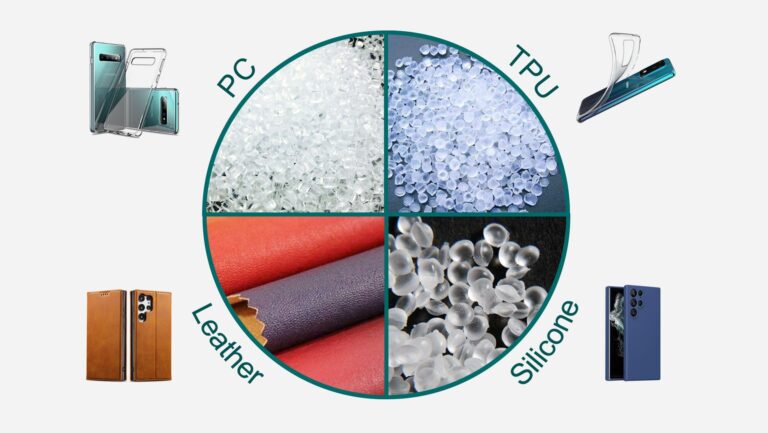
After the labels are in place, the molding process begins. Molten plastic, usually polycarbonate (PC) or thermoplastic polyurethane (TPU), is injected into the mold under high pressure. The heat and pressure allow the plastic to fuse with the label, embedding it permanently. This results in a smooth, integrated surface where the label becomes part of the case itself.
5. Cooling and Demolding
The molded cases are then cooled to solidify the plastic and label integration. Once cooled, the cases are carefully removed from the mold. At this stage, quality control checks ensure there are no defects such as misalignment, air bubbles, or incomplete fusion.
6. Finishing and Quality Inspection
After demolding, IML phone cases may undergo additional finishing processes such as edge polishing, coating for extra gloss, or anti-scratch treatment. Each case is inspected for visual accuracy, durability, and fit. Only cases that meet strict standards are packaged for distribution.
Advantages of IML Phone Cases
Enhanced Durability
Because the design is embedded into the plastic, IML phone cases are resistant to scratches, fading, and peeling. This makes them ideal for customers who prioritize long-lasting aesthetics.
Superior Design Flexibility
IML allows for complex, vibrant designs that traditional post-print methods cannot achieve. Metallic, holographic, or multi-color patterns are easily integrated, providing brands with creative freedom.
Cost-Effectiveness for Large Production
Although the initial setup is more complex, IML is highly efficient for bulk production. The integration of design and molding reduces the need for separate printing and coating steps, lowering labor costs and production time.
Eco-Friendly Options
IML can also use recyclable plastics and water-based inks, making it a more sustainable manufacturing choice compared to traditional painted or printed cases.
Conclusion
Understanding how IML phone cases are manufactured is crucial for brands and buyers who want to make informed decisions. The IML process delivers visually stunning, durable, and high-quality cases that stand out in the competitive phone accessory market. By leveraging IML technology, brands like Runsuncase can offer products that combine innovation, style, and reliability, attracting B2B clients and end-users alike.