The phone case market is booming with various ways to personalize your case, far more than just adding your name to a random design. Five major trends are transforming the industry: AI-generated designs, eco-friendly materials, high-quality photo printing, modular add-ons, and interactive features. These aren’t just some lame gimmicks—they’re legitimate innovations that enable you to create something unique that aligns with your vibe and values.
If you’re into sustainability, love having the latest tech features, or want a case that totally reflects your vibe, knowing these trends helps you make better choices. So, let’s dive into what you should really pay attention to in the custom phone case scene.
Trend 1: Personalized Design Innovation
Personalized designs have moved beyond simple monograms and predesignated pictures. New software enables you to create truly customized designs that appear professionally crafted, with no prior artistic knowledge required.
AI-Generated Art Designs
AI design software now allows you to type in what you desire and see it appear in front of you. Want a “cyberpunk cat playing guitar on Mars”? It’s yours. These software programs utilize algorithms that have been trained on millions of images to generate original artwork from your text descriptions. The neat thing is that no two designs are exactly the same—even repeating the same prompt produces something different every time. Products such as Midjourney and DALL-E brought it within everyone’s grasp, and case phone manufacturers are incorporating these software programs directly into their design software.
Photo-to-Art Style Trans
Do you have a favorite photo, but want it to appear less ordinary? There is now a technology called style transfer that turns your ordinary photos into artwork, replicating the styles of renowned painters. Your dog’s photo can appear as if it were a Van Gogh oil painting, or your travel shot can be transformed into anime-style artwork. The technology identifies the chosen artistic style and superimposes these visual patterns onto your image, preserving the original content so that it remains recognizable.
Text-to-Image Typography
This is more than just AI art; it’s about transforming words into meaningful visual components. Your personal quote becomes an incorporated design element, where the type design itself forms images or words that transition into illustrations. Some sites allow you to enter lyrics, poems, or personal mottos, and they assign layouts that make the text itself the artistic centerpiece.
Custom Color Palettes
Advanced color-matching systems take into account your preferences, wardrobe, and even the products you own to suggest complementary color schemes. Take a picture of your top outfit, and the system extracts the exact colors to create a case that matches your tee. Some companies utilize color psychology to recommend colors that evoke the desired mood or impression.
These personalization options have turned custom phone cases into something that feels less like a compromise and more like cool design pieces you’d be stoked to show off.

Trend 2: Sustainable Materials
Environmental issues are spurring actual material evolution in the production of phone cases. Consumers desire protection without the guilt of contributing further plastic waste to landfills.
Biodegradable Compounds
They break down in industrial composting conditions that meet ASTM D6400 (≥90% biodegradation in ≤180 days); some brands report 3–6 months in compost. It withstands daily falls but cannot handle harsh conditions as long as ordinary plastics. The upside? Your case won’t sit in a landfill for centuries.
Recycled Plastics
They inject new life into old waste by not creating new demand for virgin plastic. They’re as sturdy as standard cases and generally cheaper ($10-18). The environmental victory is through decreased new plastic production, not biodegradability.
Plant-Based Materials
These materials are made from bamboo, wheat straw, or cornstarch, and they’re essentially the sweet spot. They’re tougher than regular biodegradable materials, but decompose more quickly than traditional plastics (home-compost standards target ~6–12 months; industrial composting specs require ≤180 days to ≥90% biodegradation). Additionally, they’ve a unique texture that feels luxurious.
Carbon-Neutral Manufacturing
This strategy compensates for production emissions with renewable energy and carbon credits. The products may be average, but they pay for their environmental footprint. It costs between $25 and $40, which is pretty enticing for corporate and institutional buyers. Eco-friendly materials no longer mean sacrificing quality—just being mindful of what happens after you’re done with your case.

Trend 3: Sustainable Materials
At long last, the printing technology has met our requirements for image resolution. Gone are the fuzzy, pixelated personalized cases of old.
UV High-Res Printing
This is UV printing, in which ultraviolet light is used to instantly cure ink on the case surface. It produces a more vivid, more precise image with better colors compared to ordinary printing. The resolution is as high as 1440 DPI or more, so very fine details remain razor-sharp. Your pictures look professionally printed on photographic paper, not heat-transferred onto plastic.
3D Texture Effect
Modern printing can totally add some cool dimensional effects that you can really feel. Like, raised textures on certain design elements give you a nice tactile experience—logos stand out, patterns have depth, and some areas feel soft while others are shiny. This isn’t just some visual magic; it’s real, layered printing that builds up material in specific spots.
Fade-Resistant Coating Tech
No one desires their case to appear faded after a couple of months. New protection coatings feature UV-stable polymers that block damage from the sun and withstand scratches that would open up the print layer. New protection coatings can prolong your case’s new look from months to years with regular use and exposure to the elements.
Full-Coverage Edge Printing
Older custom cases had white borders or edges because the printing was unable to curve around edges well. State-of-the-art methods give you edge-to-edge printing that coats corners and sides with no wrinkles or laps. Your design wraps around all exposed surfaces, so the case appears professionally produced, not custom-printed.
Photo-quality printing removed the “homemade” look that critically afflicted custom cases. As such, they truly compete with or surpass mass-produced designs in terms of quality.

Trend 4: Modular Accessory Systems
Modular designs make it easy to swap components instead of buying all-new cases when you want a change. It’s practical, affordable, and far more satisfying than static designs.
Swap-Out Backplate Systems
The base case stays on the phone for life, but the cosmetic backplate clicks on and off in a few seconds. You can have multiple backplates for different events—business for weekdays, playful for weekends, and seasonal for holidays. It is a more economical strategy than buying multiple full cases, and it produces less waste. Some phones include magnetic attachments; some include snap-lock mechanisms. Either way, it’s swapped in less than ten seconds.
Magnetic Accessory
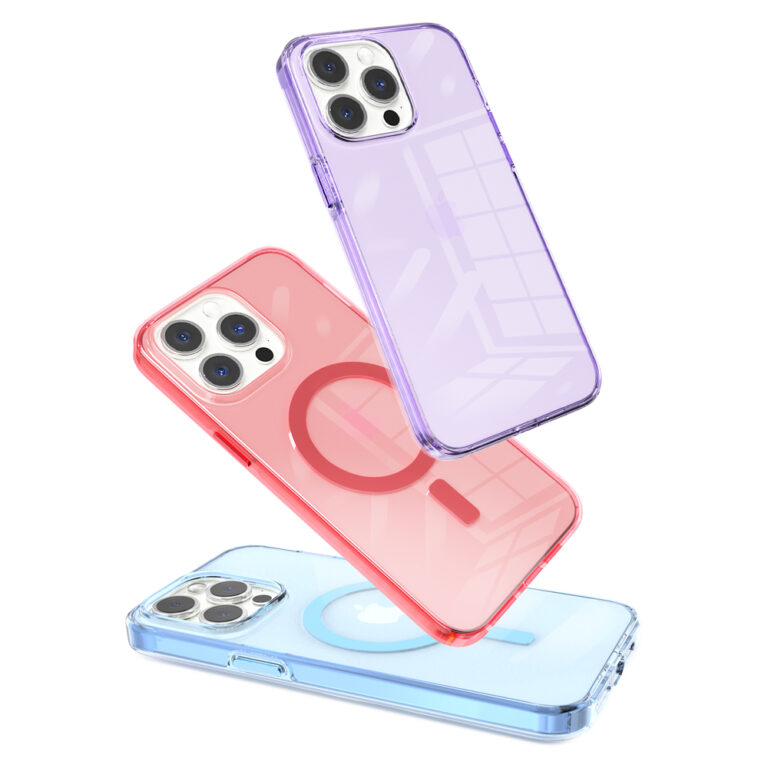
Magnetic mounting systems built into cases allow quick attachment of accessories: card holders that snap on when needed and come off when they don’t, kickstands that attach only for video watching, battery packs that magnetically align and charge wirelessly, or wallet modules that hold essentials without bulk. The MagSafe standard has made such devices particularly popular for iPhone users, but Android manufacturers are developing compatible systems.
Functional Add-Ons
Beyond aesthetics, modular systems allow you to include real functionality. Clip-on camera lens attachments enhance phone photography. Gaming grips clamp on for enhanced control during mobile gaming. Mini speakers amplify sound for sharing tunes. Phone ring holders clamp on when you need added protection. No frills; each element is for a definite purpose and detaches when you do not need it.
Modular design is one example that allows for lots of needs to be covered instead of forcing you to choose between conflicting priorities when you purchase.

Trend 5: Interactive Smart Elements
Interactive cases aren’t pretty in appearance only—they actually interact with you and what is going on around you in a genuine high-tech way.
LED Light Integration
LED-lit cases illuminate for incoming calls, throb with your tunes, or respond to notifications with dynamic color schemes you can customize. Some contain batteries that power through for days between charges, while others consume negligible power from your phone. The net result is flashy but not obnoxiously bright. You can control which app fires off which color, so it’s useful beyond being flashable.
Temperature-Responsive Materials
The thermochromic prints change color with warmth from your hand or the surroundings. Grip your phone and watch designs appear. Go outside on a chilly day and watch as the colors transform. It is more than a party gimmick—with color shift, you can discern your phone’s temperature, possibly receiving a heads-up if it is getting too hot when being charged or when used heavily.
Touch-Sensitive Surfaces
You can also control things by not having to touch your screen with the capacitive touch areas on the rear of the case. Double-tap to skip tracks, swipe to adjust the volume, or press to activate your camera. There are small circuit layers in these cases that talk to your phone with Bluetooth, so you’ve got physical controls that remain active when your screen is dark or face down.
Interactive features turn your case from a simple passive protection to an active participant in the manner of your interaction with your phone.

FAQs
Q1. Will Combining Multiple Customization Trends Increase the Cost Significantly?
Tying in trends is more expensive, but not necessarily in proportion. Tying in environmental materials with a base design costs $5-10, while tying in photo prints with LED features may cost $20-30 or more. Tying in photo-quality print with environmental materials is fairly economical, as both would be manufacturing decisions. However, tying in modular systems with interactive features involves purchasing two distinct technologies, doubling the cost. Companies generally provide bundle deals that reduce the combined costs of features. Buyers who want to contain costs need to focus on one or two trends that are most important.
Q2. How Do These Phone Case Trends Affect Protection and Drop Resistance?
By trend, protection differs. Environmental materials provide slightly decreased impact protection compared to standard polycarbonate, but perform satisfactorily with daily drops—most exceed 6-foot drop tests. Printed photography doesn’t influence protection, as it’s a surface coating. Modular cases also vary, as some compromise protection for user-friendly swapping, while higher-end systems do not. Cases with integrated electronics tend to be bulkier, with increased protection through added material. Look for specific drop ratings if protection is your main concern.
Q3. Do All Models of Phones Take These Customizations?
Availability is dependent on your phone model. iPhone owners benefit from almost all trends. Mainstream Android phones such as the Samsung Galaxy S and Google Pixel also receive fair coverage. Less common or obsolete phones receive limited choices. Modular and interactive designs remain the most restricted because they need unique engineering. Photograph printing and AI designs suit more models. Ensure that the product fits your specific phone model before making a purchase.
Conclusion
These five trends in customization are bringing phone cases one step closer to being intelligent, eco-friendly, and unique. Ready to create your ideal case? Begin by figuring out the trend that is most important, then scout out firms that specialize in it. Take a look at customization sites now and design a cell case that truly stands out.