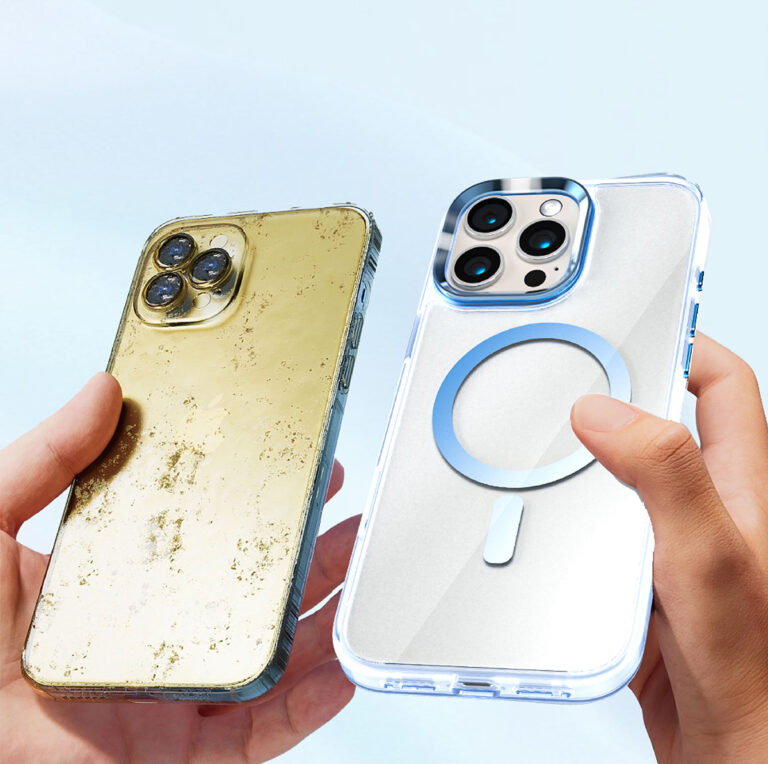
Phone cases have evolved from simple protective covers into stylish, functional accessories that define how consumers interact with their devices. With billions of smartphone users worldwide, the demand for high-quality cases has surged—and so has curiosity about how phone cases are manufactured. Understanding the manufacturing process not only helps brands and B2B buyers make better sourcing decisions but also reveals the craftsmanship and technology behind every durable and attractive case.
This guide breaks down the full production workflow, from raw materials to packaging, and explains the differences across major case types.
1. What Materials Are Used to Manufacture Phone Cases?
The first step in understanding how phone cases are manufactured is to explore the materials that give each case its unique properties. Different case types require different material selections, directly impacting durability, grip, weight, and environmental footprint.
Common Materials Used
- Polycarbonate (PC)
A hard plastic known for excellent impact resistance and rigidity.
- Thermoplastic Polyurethane (TPU)
Flexible, rubber-like, and highly durable. Ideal for shock absorption and everyday protective cases.(thermoplastic polyurethane properties)
- Silicone
Soft, smooth, and widely used for grip-focused minimalist cases.
- Liquid Silicone Rubber (LSR)
A premium material with a velvety texture, commonly used in high-end phone cases.
- Leather (Genuine or PU)
Used for wallet cases or luxury protective covers.
- Metal (Aluminum frames)
Adds structural strength and heat dissipation.
- Biodegradable/Plant-Based Materials
Such as wheat straw fiber, PLA, and biodegradable TPU—popular in sustainable phone case lines.

Why Material Selection Matters
Choosing the right material affects:
- Drop protection performance
- Flexibility during installation
- Compatibility with MagSafe or built-in magnets
- Scratch resistance
- Cost of mass production
- Environmental sustainability
Brands typically choose materials based on target markets, product positioning, and pricing strategy.
2. The Overall Manufacturing Workflow
Although processes vary based on material and design, most phone cases follow a similar production framework. Below is the typical workflow used by professional factories.
Step 1: Case Design & Engineering
Manufacturing begins with industrial design (ID) and mechanical engineering (ME).
This stage includes:
- 3D modeling based on the phone’s CAD files
- Button positioning and cutout measurement
- Drop protection structure design (airbags, inner layers)
- Molding feasibility evaluation
- Material selection
Design accuracy is essential; even a 0.1 mm tolerance issue can affect fit.

Step 2: Mold Creation
Once the design is confirmed, factories produce the injection mold.
This step is one of the costliest parts of production.
Mold development includes:
- CNC machining
- EDM processing
- Polishing
- Mold testing and adjustment
A mold must be durable enough to withstand repeated high-temperature injections and can cost anywhere from $2,000 to $10,000+ depending on case complexity.
Step 3: Material Injection or Compression
Different materials require different manufacturing methods. The two main processes are:
Injection Molding (TPU, PC, Hybrid Cases)
The material is heated, injected into a mold under pressure, cooled, and released.
This process ensures efficient mass production with high precision.
Compression Molding (Silicone & LSR Cases)
Liquid silicone or soft materials are poured into heated molds.
Compression molding delivers smoother textures and seamless surfaces.
Overmolding for Multi-Layer Cases
Some cases require combined materials:
- Soft TPU inner + Hard PC outer
- TPU back + Silicone bumper
- TPU base + Metal kickstand
- PC shell + Rubberized coating
These cases use multi-stage molding to fuse materials securely.

3. Surface Finishing Techniques
After molding, raw phone cases undergo finishing processes that enhance appearance, texture, grip, and durability.
Common Surface Treatments
Matte Finishing
Adds a smooth, fingerprint-resistant texture.
Glossy Finishing
Creates a shiny surface for vibrant colors or clear cases.
Soft-Touch Coating
Provides a premium, silicone-like tactile feel.
UV Coating (for Clear Cases)
Prevents yellowing and improves scratch resistance.(UV coating technology)
Electroplating
Used for metallic-looking frames or camera ring decoration.
Leather Wrapping
Genuine or PU leather is stitched or heat-pressed onto a PC frame.

4. Decoration & Printing Methods
Phone cases often feature artwork, brand logos, or textures. Factories apply decoration after finishing.
Main Decoration Techniques
- Silk Screen Printing – great for simple logos
- UV Digital Printing – delivers high-resolution graphics
- Heat Transfer Printing – ideal for pattern cases
- Sublimation Printing – long-lasting, fade-resistant artwork
- Laser Engraving – premium effect for metals or silicone
Decoration quality significantly impacts branding and resale value.

5. Assembly of Functional Components
Modern cases include extra features requiring further assembly.
Common Components Added:
- Metal buttons
- MagSafe magnetic rings
- Camera lens protectors
- Kickstands
- Strap connectors
- Wallet covers
For magnetic cases, precise ring alignment ensures proper compatibility.

6. Quality Control and Testing
Before packaging, factories perform strict QC to ensure consistency and durability.
Typical Tests Include:
- Fit Testing
- Drop Tests
- Scratch Tests
- Yellowing Tests (UV exposure)
- Magnetic Alignment Testing
- Bending and Stretching Tests
High-quality factories record every QC step to ensure batch-to-batch consistency.(drop test standards)

7. Packaging & Final Delivery
Steps include:
- Cleaning and dust removal
- Individual packaging
- Labeling and barcodes
- Carton packing
- Export preparation
Packaging often follows client-specific B2B requirements.
8. Manufacturing Processes by Case Type
Plastic TPU/PC Cases
- Injection molding
- UV coating
- Printing
- Assembly (hybrid cases)
Silicone Cases
- Liquid silicone compression molding
- Soft-touch finishing
- Microfiber lining (optional)
Hybrid Rugged Cases
- Dual-layer molding
- Reinforced frame assembly
Wallet & Leather Cases
- Cutting
- Stitching
- Hand assembly
MagSafe Cases
- Magnetic ring installation
- Strength testing
Each category requires specific expertise and machinery.
9. Where Are Most Phone Cases Manufactured?
Most production is located in:
- China (Shenzhen, Guangzhou, Dongguan) – global leader
- Vietnam
- South Korea
- India
China remains dominant due to its complete supply chain ecosystem and advanced capabilities.
10. What Affects the Production Cost?
Key factors include:
- Mold complexity
- Material selection
- Functional features (magnets, buttons, kickstands)
- Printing method
- Order volume
- Packaging requirements
- Labor and QC costs
Conclusion
Understanding how phone cases are manufactured helps brands, distributors, and B2B buyers make informed sourcing decisions. From CAD design and mold building to injection molding, decoration, assembly, and final QC, every step affects product quality and cost. As the market evolves, new materials like biodegradable compounds and innovations such as MagSafe integration continue to shape modern manufacturing. When it comes to choosing a reliable manufacturing partner, Runsuncase provides professional B2B solutions covering design, material selection, mold development, multi-layer injection molding, MagSafe assembly, and strict quality control. With flexible customization, stable lead times, and competitive pricing, Runsuncase supports brands in bringing high-quality products to market efficiently.