Introduction
Building a profitable phone case brand takes more than creativity — it requires data-driven decisions, supplier partnerships, and reliable logistics. In 2025, competition in the phone accessories market keeps rising, but brands that combine product quality with strong branding still find room to win. This guide shows how to build your private label phone case business the right way, with proven steps and industry-backed data.
1. Understand the Market and Choose the Right Niche
Before you design or manufacture, you should ground your decisions in real market data. In 2024, the global mobile phone accessories market was valued at approximately USD 94.4 billion, and it is projected to grow to USD 142.3 billion by 2033, with a CAGR of ~4.63 % from 2025–2033 IMARC Group. Meanwhile, the mobile protective (phone case) market alone is forecast to reach USD 27.38 billion in 2025, growing at ~5.3 % CAGR through 2030 Mordor Intelligence.
Given that scale, your phone case brand should aim for a defensible niche rather than competing broadly. For example:
-
Eco-friendly / biodegradable materials
-
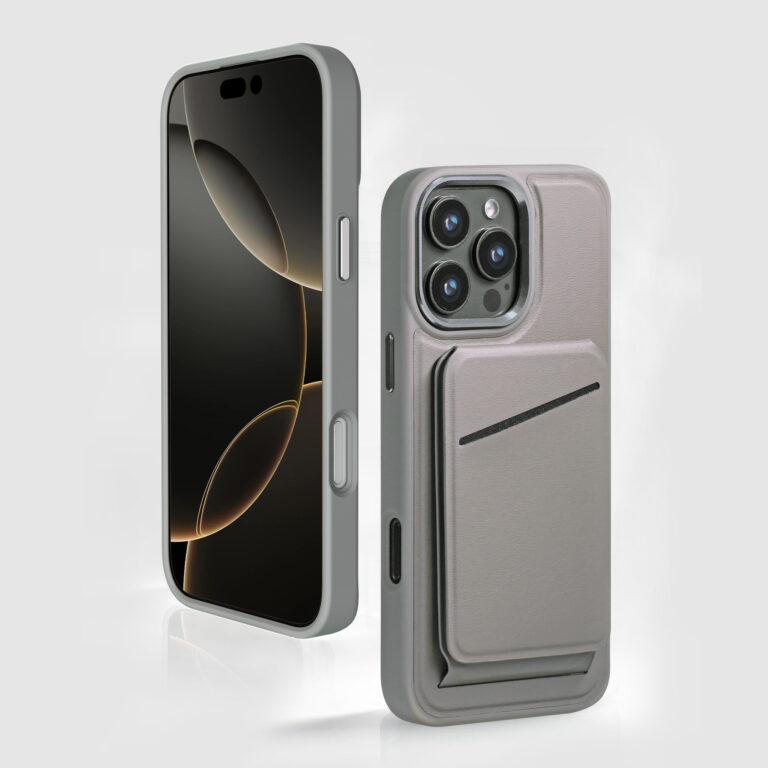
MagSafe / magnetic compatibility
-
High-drop protection / rugged cases
-
Custom art / designer collaboration cases
Run keyword demand + competitive gap analysis for 2–3 niche ideas. Pick the niche that shows moderate search volume but lower competition, so you can gain traction without being crushed by big incumbents.

(source:IMARC Group)
2. Prioritize Product Quality and Reliable Manufacturing
Quality is the foundation of every lasting brand. Whether you’re sourcing or manufacturing, ensure that your supplier provides:
- Material traceability (TPU, PU leather, PC, etc.)
- Quality certifications (ROHS, REACH)
- Consistent fit for each iPhone / Samsung model
Runsuncase, for example, focuses on OEM/ODM phone case manufacturing with strict inspection and drop-test standards to help partners build premium private labels faster.

3. Plan Your MOQ, Cost, and Pricing Strategy
For private label brands, cost structure defines scalability. Typical MOQ ranges from 500–2,000 pieces per SKU depending on material and customization level.
Factor in:
- Production + packaging + freight + duty
- Marketing and platform fees (if selling DTC)
Build your pricing model so wholesale margins exceed 30%, and DTC margins exceed 50% after marketing.
4. Build Your Brand Identity and Packaging Experience
A strong phone case brand doesn’t stop at the product. Packaging design and unboxing experience influence perceived value. Include:
- Custom logo and color palette
- High-quality packaging with printed inserts
- Retail-ready barcodes and QR code integration
Pro tip: Brands offering eco-friendly or minimal packaging often perform better on Amazon and DTC platforms in 2025.

5. Streamline Fulfillment and Channel Strategy
Decide early on whether you’ll manage B2B bulk orders, DTC shipments, or both. Fast fulfillment helps retain customers and reduce refunds.
You can work with a manufacturer like Runsuncase that provides flexible shipping support, including 3PL prep, labeling, and drop-shipping options.
6. Test, Iterate, and Scale
After launching 2–3 SKUs, track sales data weekly. Adjust pricing, images, and ad creatives based on click-through and conversion metrics.
Use insights to scale only the best-performing SKUs. Brands that optimize continuously often see 20–30% lower CAC within six months.
7. Example Roadmap for a New Phone Case Brand
| Month | Key Milestones |
| 1–2 | Market validation, supplier sourcing, sample testing |
| 3–4 | Confirm design, finalize MOQ, start production |
| 5 | Package proofing + certification check |
| 6–9 | Launch online store + ad testing |
| 10–12 | Scale top SKUs, negotiate wholesale deals |
FAQ
Q1: How long does it take to build a private label phone case brand?
Usually 3–6 months from prototype to launch, depending on customization.
Q2: What’s the ideal MOQ for new brands?
500–1,000 units per SKU to balance cost and flexibility.
Q3: How can I ensure consistent quality?
Work with a supplier offering pre-shipment inspection, material traceability, and drop-test reports.
Conclusion
Launching a private label phone case brand is both a business and a system — balancing product, pricing, and partnership.
With Runsuncase’s OEM support, packaging customization, and quality control, you can move from concept to market-ready brand confidently.