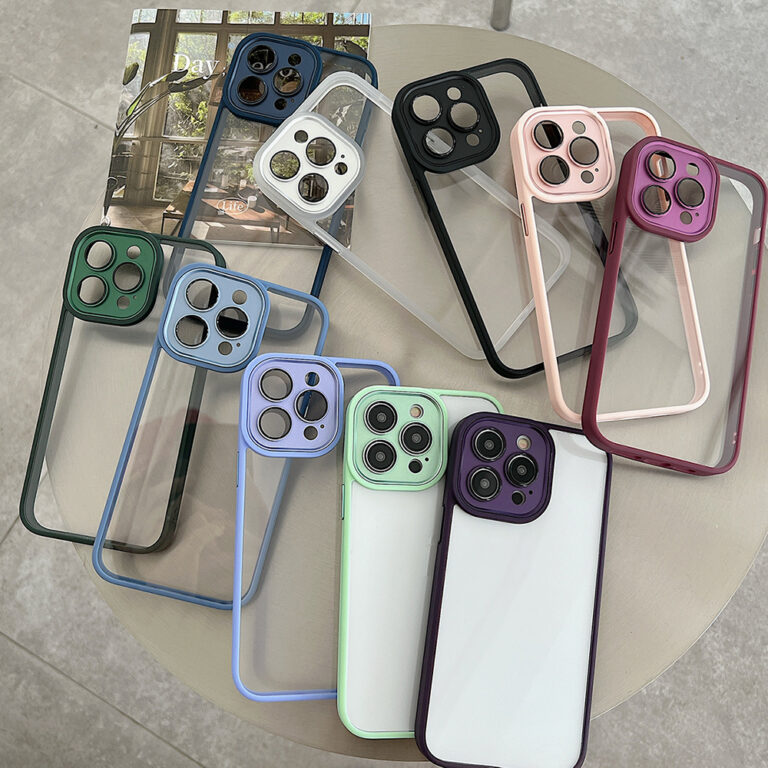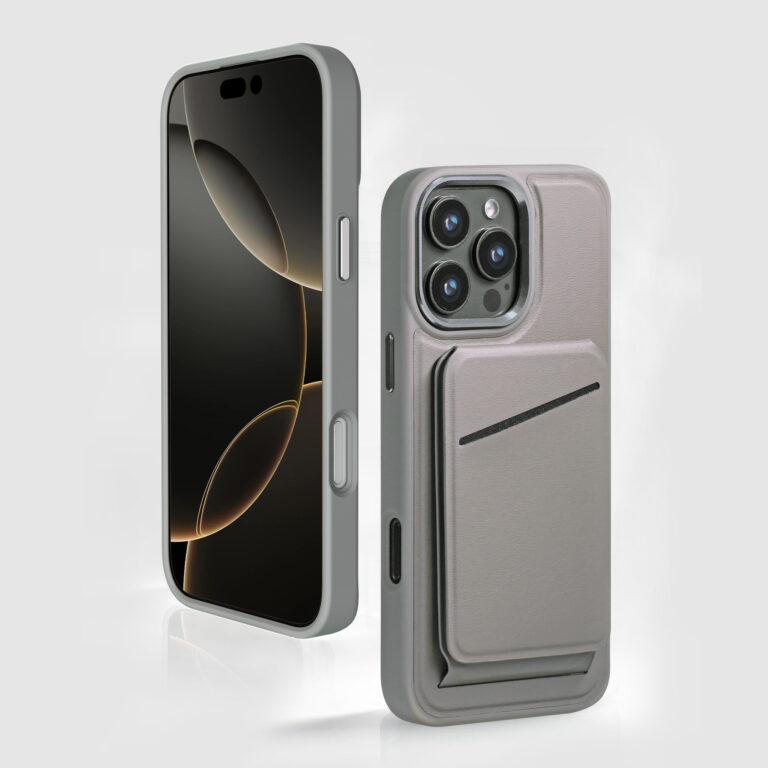
Making the jump from contract manufacturing to creating branded mobile phone cases represents a fundamental shift in approaching the mobile accessories market. Comprehensive ODM services bridge the gap between brand vision and market-ready products, providing the design expertise and manufacturing capabilities needed to transform ideas into phone cases that actually sell.

Difference Between OEM and ODM
Understanding these manufacturing models is crucial before making any investment decisions. Most people throw around these terms without really understanding what separates them.
| Comparison Factor | OEM Manufacturing Model | ODM Design Manufacturing Model |
| Design Source | Customer provides complete design specifications | Manufacturer provides original designs |
| Brand Control | Customer owns full brand control | Customer gets design rights and brand control |
| Development Costs | Customer pays all design development costs | Manufacturer covers design development costs |
| Technical Requirements | Requires strong internal design team | Relies on manufacturer’s design capabilities |
| Market Risk | Customer bears all product design risks | Manufacturer shares some design risks |
| Customization Level | Fully customized to customer requirements | Customization based on existing designs |
| Best Suited For | Large brands with mature design teams | Startups or companies lacking design resources |
For most businesses breaking into the phone case market, ODM makes more sense financially and operationally than OEM. The sweet spot for ODM occurs when speed to market needs to be combined with design innovation. Instead of spending 6-12 months perfecting initial prototypes while burning through cash, businesses can work with proven designs that can be customized to match brand identity.

Why ODM Works Better for Phone Case Development
ODM advantages extend far beyond some cost savings. I will explain why doing an ODM is a prudent tactic for most cell phone case manufacturers. Leading ODM providers such as Runsun specialize in bridging design innovation with scalable production, helping brands quickly turn creative ideas into commercially viable phone cases.
Brand Control
With ODM, companies aren’t merely an arbitrary reseller offering the same uninteresting generic cases as anybody else. They literally have exclusive rights to products that belong to their brand identity. So if customers look through these cases, they’re looking at something that only such a brand can claim to own.
Profit Margins
Math is simple here. Generic bulk orders might offer 20-60% margins if firms get lucky.ODM phone case products typically offer comparable or better margins because pricing is calculated off non-same products. Design, quality, and brand experience factor into the pricing.
A typical case costing $3 sells for $15 to yield a profit of $12 with every sale. A $4 ODM case selling for $25 yields $21 a piece. That $9 a case adds up to a lot of money if you sell thousands!
Product Differentiation
The cell phone case market is super crowded, but honestly, a lot of the stuff out there is pretty dull. ODM gives companies the chance to create cases that actually fix real issues or hit those specific looks that people really want. This could mean better drop protection, cases with built-in phone stands, or designs that just look great in pics for social media.

How to Build a Best-Selling Phone Case Brand
Establishing a successful phone case brand involves strategic thinking, differentiating products, and efficient market positioning. Below are the major ingredients for establishing a lucrative phone case enterprise from scratch.
Brand Positioning Strategy
Strong brand positioning is where success begins. Determine your target customer segments, including their requirements, preferences, and buying habits. Regardless of high-end business customers, fashion-forward youthful customers, or insurance-first pragmatists, effective positioning will inform every decision to follow.
Product Development Focus
Emphasize resolving practical issues or addressing an exact requirement. It might be improved with features such as drop protection, wireless charging compatibility, distinctive design options, or multi-functional integration. Do not just replicate a current market product; instead, find untended niche requirements.
Market Entry Timing
Timing your entry correctly is very important. Look into new phone shipment schedules for new phone models, changes in demand seasonally, competitive activity, and the supply chain. Normally, 3-6 months after a new iPhone or mainstream Android device introduction is typically optimal to enter.

ODM Phone Case Development Process Step by Step
Having a solid development plan really helps avoid expensive hold-ups and keeps products moving along nicely. This tried-and-true approach has been refined through numerous successful phone case launches.
Step 1: Project Initiation and Consultation
The process begins with a deep understanding of brand positioning, target market demographics, budget constraints, and timing considerations. This isn’t a sales pitch—it’s a planning session that establishes what is truly achievable within budget parameters while evaluating technical feasibility and market opportunities.
Step 2: Design and Prototyping
Design professionals also grasp injection moulding limitations, material attributes, drop testing parameters, and what succeeds in today’s market. Design groups prepare several design alternatives according to specs and market analysis, with clients receiving descriptive 3D drawings, technical details, samples of proposed materials, as well as a cost estimate, before finalizing one course.
Then, functional prototypes are made with final production materials and production process. Extensive testing is conducted with every prototype, including drop testing, fit testing with various types of phones, and testing the usage of buttons and ports. It costs hundreds to correct design mistakes at the prototype level; thousands to correct errors at production. It takes about 2-3 weeks to complete.
Step 3: Manufacturing and Quality Control
Once final designs have been signed off, they progress to production planning and setting up tools. This encompasses the design of injection molds, the procurement of qualified suppliers for relevant materials, and the commencement of quality controls. Production units cater to both humble TPU cases as well as intricate multi-material products, with production proceeding as per ISO 9001 quality management guidelines.
Every batch of product production undergoes thorough checks and standardized routines, including defect rates, material consistency, and finish checks at every stage of the production process. Production runs usually last 3-5 weeks according to order volume and order intricacy.
Step 4: Market Launch and Support
Support also covers design ideas for packaging, photography support for products, technical details for marketing collateral, and display setup guidance for stores. Export market certification is also covered, including CE marking for the EU and FCC for North America. There is a stage-specific delivery and approval point for every stage, with constant client information regarding project progression.
It is a methodology that effectively accelerates one’s likelihood of establishing successful phone case businesses promptly and within one’s means.
FAQ
Q1. How Much Does ODM Cost for Phone Case Projects?
Most successful brands start from simpler designs to minimize initial costs, then expand as market feedback is favorable. Flexibility with payments is typical, with a 30% down payment, 40% due upon starting production, and the final 30% before shipment.
Q2. How Long Does ODM Development Take?
Total ODM development takes approximately 6-10 weeks. This is divided into 1-2 weeks of initial design development, 2-3 weeks of prototype setup with testing, and 3-5 weeks of final production runs. It is possible to have a rush job for very uncomplicated design products, but it might necessitate high-end pricing. We have seen the quickest project, from conception to completion, with a finished stock taken just six weeks, utilizing repeat mold designs and stock grades.
Q3. How to Reduce Phone Case ODM Market Risks?
Gradual market testing with initial low productions ranging from 1,000 to 2,500 units is recommended to test consumer response before committing to high volumes. Risk management dictates thorough analysis of competitors and consumer trends. It’s a good idea to diversify a product lineup to several phone platforms and price points. It’s a good idea to maintain a 3-6 month cash buffer after initial product investments, given that great brands typically take 2-3 product cycles to achieve peak market fit.
Start Your Phone Case Industry!
The cell phone case market is approximately USD 24.99 billion in 2024, with an annual growth rate of roughly 6.53% CAGR from 2026 to 2032 per current forecasts. Projected to reach USD 41.45 billion by 2032.
Runsun offers end-to-end ODM services, from concept to finished product, making it a trusted partner for startups and established brands entering the global phone case market. Contact ODM teams Runsun today to discuss custom orders, pricing, and delivery schedules. Experienced teams can present comprehensive project proposals outlining how to turn brand ideas into commercially viable products.