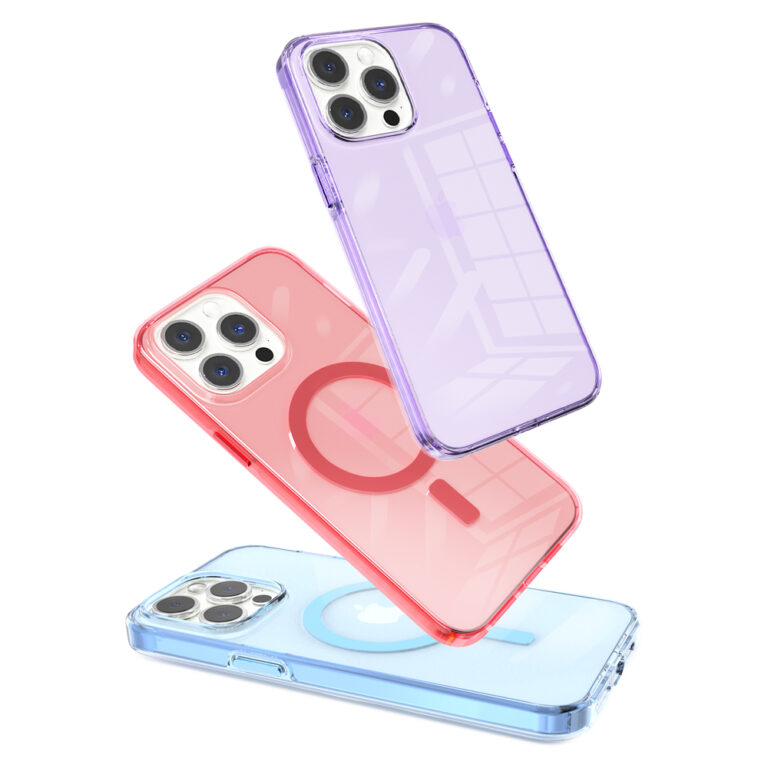
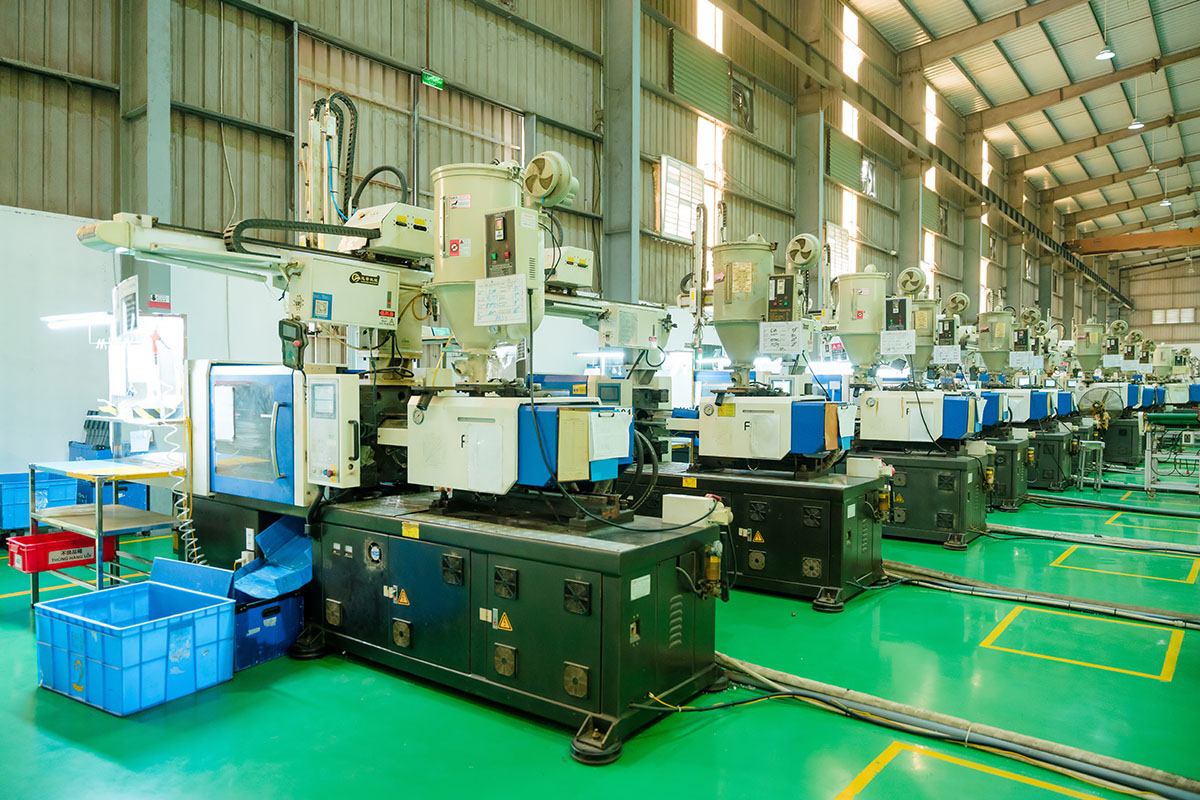
Choosing the right phone case manufacturer is one of the most important sourcing decisions for brands, retailers, distributors, and private label businesses. In today’s competitive mobile accessories market, buyers are no longer looking for a supplier that simply offers the lowest price. They need a manufacturing partner that can support product development, material selection, OEM/ODM customization, packaging, quality control, and stable bulk production.
For a brand, the right manufacturer can help turn product ideas into a market-ready collection. For a retailer, it can support category planning, retail packaging, and consistent delivery. For a distributor, it can provide repeatable quality, reliable margins, and long-term supply stability.
This guide explains how to evaluate a phone case manufacturer from a practical B2B sourcing perspective, so your team can reduce risk before sampling, production, and launch.
What Does a Phone Case Manufacturer Actually Do?
A phone case manufacturer is different from a general phone case supplier, trading company, or sourcing agent.
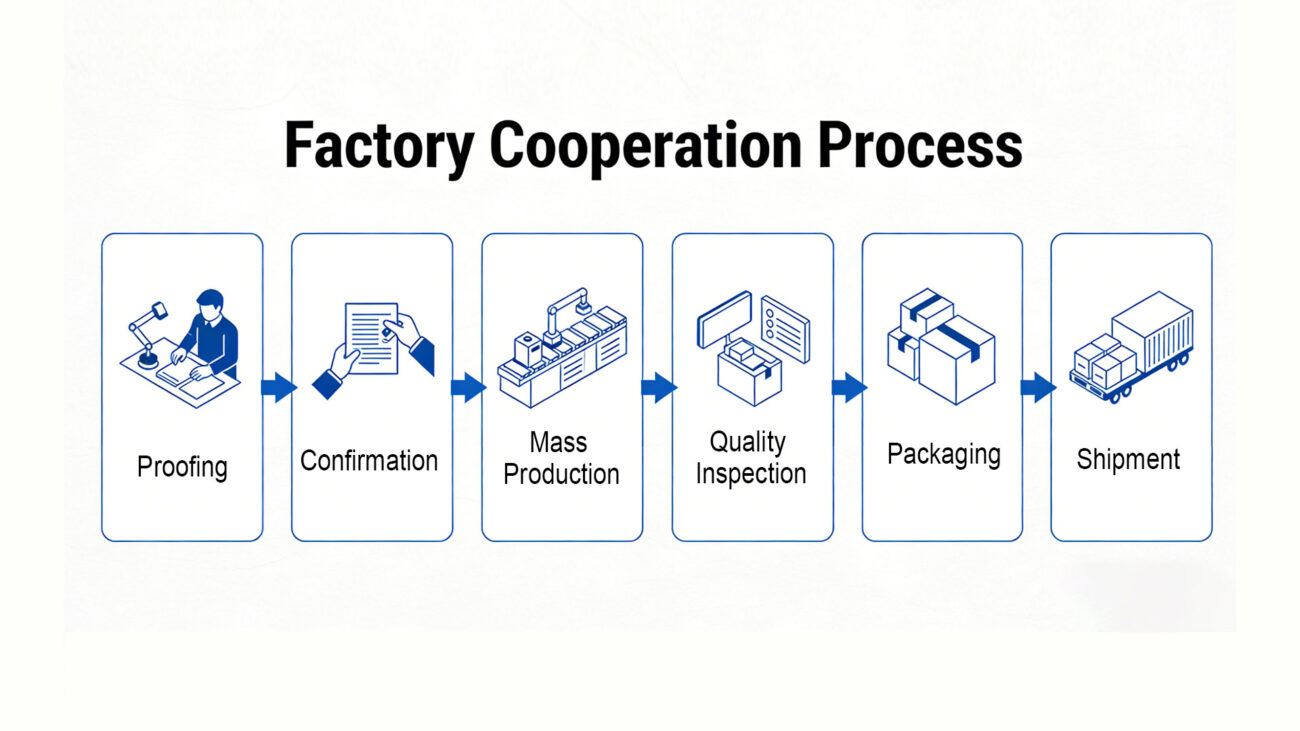
A supplier may only provide existing products. A trading company may help buyers connect with different factories. A basic phone case factory may focus mainly on production. A true manufacturer should support the full project workflow, from product development to bulk delivery.
A professional phone case manufacturer should be able to support:
- Product development
- Material selection
- Sample making
- Mold or structure evaluation
- OEM/ODM customization
- Logo and color customization
- Packaging development
- Mass production
- Quality control
- Shipment preparation
This matters because custom phone cases involve more than one decision. Buyers may need to compare TPU, PC, silicone, leather, magnetic structures, anti-yellowing materials, camera protection, surface finishes, and retail-ready packaging.
If your business needs custom phone cases for brands, a manufacturer with direct production and project support will usually give you more control than a supplier that only sells standard models.
Define Your Product Goals Before Choosing a Manufacturer
Before contacting a phone case manufacturer, your team should clarify the project direction. This helps the manufacturer provide more accurate suggestions, pricing, sampling plans, and lead time estimates.
Start with these questions:
- What type of phone case do you want to develop?
- Is the product fashion-driven, protection-focused, or function-driven?
- What is your target market?
- What retail price range are you aiming for?
- Do you need OEM or ODM support?
- Do you need private label phone cases?
- What quantity do you plan to order?
- Do you need custom packaging?
- Will this be a short-run test or a long-term product line?
For example, a fashion brand may prioritize color, texture, pattern, surface finish, and packaging presentation. A protection-focused brand may care more about drop performance, corner structure, material thickness, and durability. A retail buyer may focus on category fit, barcode requirements, display packaging, and delivery reliability. A distributor may care more about stable quality, repeat orders, and broad phone model coverage.
The clearer your product goals are, the easier it is to choose the right manufacturing partner.
Manufacturer vs Supplier vs Trading Company
Not every company that sells phone cases is a real manufacturer. Before starting a project, buyers should understand the difference between a supplier, trading company, factory, and OEM/ODM manufacturer.
| Type of Partner | Best For | Advantages | Possible Risks |
|---|---|---|---|
| Phone Case Supplier | Buying existing products | Fast product sourcing | Limited customization and less production control |
| Trading Company | Mixed small orders or sourcing support | Can connect multiple factories | Less direct control over production and quality control |
| Phone Case Factory | Basic mass production | Direct production capacity | May have limited design or packaging support |
| OEM Phone Case Manufacturer | Custom brand projects | Better control over logo, color, packaging, and quality | Requires clear project requirements |
| ODM Phone Case Manufacturer | Faster product launch | Existing structures can reduce development time | Product uniqueness may be limited if not customized well |
For serious B2B projects, an OEM/ODM phone case manufacturer is usually the better choice because it can support both production and product development.
Evaluate Product Categories and Material Capabilities
A strong phone case manufacturer should not be judged only by one attractive sample or product photo. Buyers should evaluate the manufacturer’s full product and material capabilities.
Common phone case categories include:
- TPU phone cases
- PC hard cases
- TPU + PC hybrid cases
- Clear anti-yellowing cases
- Magnetic phone cases
- MagSafe-compatible cases
- Leather phone cases
- Wallet and card holder cases
- Kickstand phone cases
- Rugged protective cases
- Crossbody and strap phone cases
- IML phone cases
Each material and structure has different advantages. TPU is flexible and shock-absorbing. PC provides a harder shell and stable structure. TPU + PC hybrid cases are often used for better protection. Leather cases create a more premium retail feel. Clear anti-yellowing cases require better material control and surface treatment. Magnetic phone cases require accurate magnet placement, stable alignment, and accessory compatibility.
If your brand is planning a complete phone case collection, the manufacturer should support more than one material and structure option. For example, you may need a clear magnetic phone case, a leather business-style case, a rugged protective case, and an IML design case in the same seasonal lineup.
A professional manufacturer should understand both aesthetics and engineering. The case must look good, but it also needs accurate fit, comfortable button response, camera protection, stable edge coverage, reliable drop performance, and long-term material durability.
For brands exploring magnetic products, it is also useful to understand wireless charging and magnetic alignment standards. The Wireless Power Consortium provides information about Qi wireless charging, including compatibility, safety, and interoperability.

Check OEM and ODM Capabilities
OEM and ODM capabilities are key factors when choosing a phone case manufacturer.
OEM, or Original Equipment Manufacturing, usually means the buyer has a clear product idea, design direction, logo requirement, packaging concept, or existing product reference. The manufacturer helps produce the product according to those requirements.
ODM, or Original Design Manufacturing, usually means the manufacturer already has existing structures or product concepts that buyers can customize. This can help brands launch faster because they do not need to develop everything from zero.
In many B2B projects, the best solution is a mix of both. A brand may choose an ODM base structure and then customize the logo, color, material texture, lens frame, button design, magnetic strength, surface finish, packaging, and accessory bundle.
When evaluating OEM/ODM phone case development, buyers should ask:
- Can you support logo customization?
- Can you customize colors and surface finishes?
- Can you adjust textures, materials, or accessories?
- Can you support magnetic or MagSafe-compatible structures?
- Can you support private label phone cases?
- Can you provide custom packaging?
- Can you support retail-ready presentation?
- Can you provide samples before mass production?
- Can you support multiple phone models in the same product line?
A capable OEM phone case manufacturer should not only say “yes” to customization. It should explain which options are practical, what affects MOQ, what affects lead time, and what may increase cost.
For buyers preparing to launch a new product line, the article How to Make Phone Cases to Sell can also help your team understand the basic product planning process before moving into OEM/ODM development.

Review MOQ, Sampling, and Lead Time
MOQ is not just a number. It reflects material preparation, production setup, mold status, packaging requirements, labor arrangement, and overall project complexity.
Different phone case projects may have different MOQ requirements. A standard model with a simple logo may require a lower MOQ than a fully customized structure with special materials and custom packaging. A custom color, special texture, magnetic component, metal camera ring, retail box, or insert card may also affect MOQ and lead time.
Before requesting a sample, buyers should confirm:
- Sample cost
- Sample lead time
- Mass production MOQ
- MOQ by color, model, and design
- Production lead time
- Packaging MOQ
- Customization limitations
- Shipping method
- Approval process before production
A good phone case manufacturer should explain these details clearly instead of giving vague answers. If a supplier cannot clarify MOQ, sampling time, packaging requirements, or production lead time, the project may face delays later.
Sampling is also not only about checking appearance. Buyers should review product fit, button feel, camera cutout, edge protection, magnet alignment, surface consistency, logo position, color accuracy, packaging details, and overall hand feel.
Questions to Ask Before Requesting a Sample
Before paying for samples, buyers should prepare a clear list of questions. This helps avoid misunderstanding and makes the supplier evaluation process more efficient.
Important questions include:
- What materials are available for this product type?
- What is the MOQ for standard models?
- What is the MOQ for custom colors or custom finishes?
- Can you support logo customization?
- Which logo process do you recommend for this material?
- Can you support custom packaging?
- What is the sample lead time?
- What is the mass production lead time?
- What quality checks are performed before shipment?
- Can you support repeat orders for multiple phone models?
- Can you provide product photos, packaging photos, or inspection photos before shipment?
- Can you support brands, retailers, distributors, or Amazon FBA shipments?
A professional custom phone case manufacturer should be able to answer these questions clearly. The quality of the answers often reveals whether the team understands real B2B project workflow.
Examine Quality Control and Compliance
Quality consistency matters more than one attractive sample. Many suppliers can create a good sample, but not every supplier can maintain stable quality during mass production.
A reliable phone case manufacturer should have a clear quality control process covering:
- Raw material inspection
- Color and surface checks
- In-line production inspection
- Fit and structure testing
- Button responsiveness checks
- Camera and port alignment checks
- Magnetic alignment testing if needed
- Drop protection testing if required
- Final product inspection
- Packaging checks before shipment
For retail projects, packaging quality is also part of product quality. A damaged box, incorrect barcode, weak printing, wrong label, or inconsistent insert card can affect retail execution and customer experience.
Compliance should also be considered, especially for brands selling into Europe, North America, or other regulated markets. Depending on your product and target market, buyers may need to ask about material compliance, REACH, RoHS, drop protection testing, or other relevant documentation.
For reference, the European Commission provides information on the RoHS Directive, which restricts certain hazardous substances in electrical and electronic equipment. Buyers selling into regulated markets should discuss compliance requirements with their manufacturer before production.

Assess Communication and Project Support
A phone case manufacturer is not only a producer. It is also a cooperation partner.
Good communication can reduce misunderstanding, speed up sample approval, and prevent production mistakes. Poor communication often creates bigger delays than production itself.
When evaluating a manufacturer, pay attention to:
- Response speed
- Clarity of answers
- Understanding of B2B project workflow
- Willingness to explain materials and processes
- Ability to provide practical suggestions
- Accuracy when confirming details
- Experience with brands, retailers, and distributors
A good manufacturer should help buyers make better decisions. For example, if a buyer asks for a special material that may not be suitable for long-term use, the manufacturer should explain the risk and suggest alternatives. If packaging will increase the lead time, the supplier should explain this before the order is confirmed.
The best manufacturing partners do not simply follow instructions. They help buyers avoid problems before they happen.
Common Mistakes Buyers Make When Choosing a Phone Case Manufacturer
Many sourcing problems happen because buyers focus only on price or product photos. To reduce risk, avoid these common mistakes.
Choosing Only by the Lowest Price
Low price may look attractive at the beginning, but hidden costs can appear later. Poor fit, weak materials, inconsistent color, weak magnets, packaging problems, and delayed delivery can all damage a product launch.
Approving a Sample Without Checking Production Consistency
A sample is important, but mass production consistency is more important. Buyers should confirm how the manufacturer controls quality across batches.
Ignoring Packaging MOQ
Custom packaging can have a different MOQ from the phone case itself. If this is not confirmed early, it may affect launch cost and delivery planning.
Not Confirming Material Compliance
Material compliance should be discussed before production, especially if the product will be sold in markets with stricter requirements.
Not Checking Magnetic Alignment
For magnetic phone cases, magnet strength and ring alignment are critical. A case with poor alignment may affect wireless charging stability and accessory attachment. If your project involves magnetic cases, reviewing existing options such as a clear magnetic phone case can help your team compare structure, material, and retail positioning.
Phone Case Manufacturer Evaluation Checklist
Use this checklist when comparing potential manufacturing partners.
| Evaluation Area | What to Check | Why It Matters |
|---|---|---|
| Product Capability | Materials, structures, model coverage | Determines whether the supplier can support your product line |
| OEM/ODM Support | Logo, color, texture, packaging, private label | Helps brands create product differentiation |
| Sampling Process | Sample cost, sample time, approval steps | Reduces risk before mass production |
| MOQ | MOQ by model, color, and customization level | Helps match project scale and budget |
| Lead Time | Sample and production timelines | Supports launch planning and retail schedules |
| Quality Control | Inspection process and testing standards | Ensures consistent product quality |
| Packaging Support | Retail box, barcode, labels, inserts | Important for brand and retail execution |
| Communication | Fast, clear, and professional response | Reduces mistakes and delays |
| Compliance | Material and market requirements | Supports safer market entry |
| Scalability | Repeat orders and production capacity | Important for long-term cooperation |
This type of comparison helps buyers move beyond price and evaluate whether the manufacturer is suitable for a serious B2B project.
Red Flags When Choosing a Phone Case Manufacturer
Not every supplier is suitable for long-term cooperation. Buyers should be careful if they see these warning signs:
- MOQ and lead time are unclear
- Sample quality is inconsistent
- The supplier gives vague answers about materials
- OEM and ODM services are not clearly explained
- There is no visible quality control process
- Packaging support is weak
- Communication is slow or confusing
- The supplier only competes on low price
- Product photos look good, but technical details are missing
- The team cannot explain customization limitations
- The supplier cannot support repeat orders or multiple models
For brands, retailers, and distributors, the real goal is not only to find the cheapest supplier. The goal is to find a phone case manufacturer that can support stable business growth.
What Brands, Retailers, and Distributors Should Prioritize
Different buyers should evaluate a phone case manufacturer from different angles.
For Brands
Brands should prioritize customization, product differentiation, packaging, and long-term collection development. A brand needs products that reflect its identity, not just generic phone cases. OEM/ODM support, color development, logo customization, surface finish options, and retail-ready packaging are especially important.
For example, fashion-focused brands may prefer leather phone cases or IML printed phone cases, while function-focused brands may prioritize magnetic, kickstand, rugged, or clear anti-yellowing cases.
For Retailers
Retailers should focus on sell-through potential, reliable delivery, category fit, and packaging presentation. Retail projects often require clear product positioning, stable supply, barcode support, and consistent packaging standards. A manufacturer that understands retail execution can help reduce operational risk.
For Distributors
Distributors should prioritize consistency, margin structure, repeatability, and broad model coverage. They need a supplier that can support repeat orders, multiple phone models, and stable quality across different batches.
By matching your business model with the right manufacturer capability, you can build a stronger sourcing strategy.
Why Work with an Experienced OEM/ODM Phone Case Manufacturer?
An experienced OEM/ODM phone case manufacturer can support more than production. It can help buyers develop better product lines, avoid material mistakes, improve packaging execution, and plan production more efficiently.
Runsuncase supports OEM/ODM development, material selection, packaging customization, and scalable production for brands, retailers, wholesalers, and distributors. From public mold options and appearance customization to magnetic compatibility, texture development, and retail-ready packaging, Runsuncase helps turn product ideas into market-ready phone case collections.
For buyers comparing manufacturing options, working with an experienced partner can reduce risk in:
- Product development
- Material selection
- Sample approval
- Packaging execution
- Quality stability
- Delivery planning
- Long-term product expansion
This is especially important in the phone accessories market, where new phone models, design trends, charging standards, materials, and retail demands change quickly. You can also review the 2025 mobile phone case market analysis to better understand how product trends and sourcing priorities are changing.
FAQ
What is the difference between a phone case manufacturer and a supplier?
A phone case manufacturer usually has direct production capability and can support sampling, customization, production, packaging, and quality control. A supplier may only help source existing products. For B2B projects, working with a manufacturer often gives buyers better control over product details and production consistency.
How do brands choose a custom phone case manufacturer?
Brands should evaluate product categories, material capability, OEM/ODM support, sample quality, packaging options, MOQ, lead time, quality control, and communication. A good custom phone case manufacturer should understand both brand presentation and production feasibility.
What should buyers ask before requesting a phone case sample?
Buyers should confirm sample cost, sample lead time, available materials, customization options, logo method, packaging options, MOQ, production lead time, quality control process, and shipping method. They should also ask what details need to be approved before mass production.
What OEM/ODM services should a phone case manufacturer provide?
A professional OEM/ODM phone case manufacturer should support logo customization, color development, material selection, texture options, packaging design, private label projects, sample making, and production planning. Some manufacturers can also suggest existing structures for faster product launch.
What is the typical MOQ for custom phone cases?
MOQ depends on the case structure, material, color, logo process, packaging, and customization level. Standard models may have a lower MOQ, while custom colors, special materials, magnetic components, or retail packaging may require higher quantities. Buyers should confirm MOQ by model, color, and design before sampling.
Why is packaging important for private label phone cases?
Packaging affects brand image, retail presentation, barcode management, customer experience, and shelf display. For private label phone cases, packaging is not only a container but also a key part of product positioning. A strong manufacturer should support packaging structure, printing, labels, inserts, and retail-ready presentation.
How do I evaluate a phone case factory for long-term supply?
To evaluate a phone case factory for long-term supply, review its product capability, quality control process, communication speed, production capacity, packaging support, compliance awareness, and ability to handle repeat orders. Long-term cooperation requires more than a good sample; it requires stable execution across multiple production batches.
Conclusion
Choosing a phone case manufacturer is not only about comparing unit prices. For brands, retailers, distributors, and private label businesses, the right partner should provide product development support, material expertise, OEM/ODM customization, packaging capability, quality control, and stable production planning.
A reliable manufacturer can help reduce risks across sampling, production, packaging, compliance, and delivery. More importantly, it can help your business build a phone case product line that is consistent, scalable, and suitable for long-term market growth.
If you are comparing manufacturing options for custom phone cases, magnetic cases, leather cases, IML phone cases, kickstand cases, or retail-ready packaging, Runsuncase can support your project from concept and sampling to mass production.