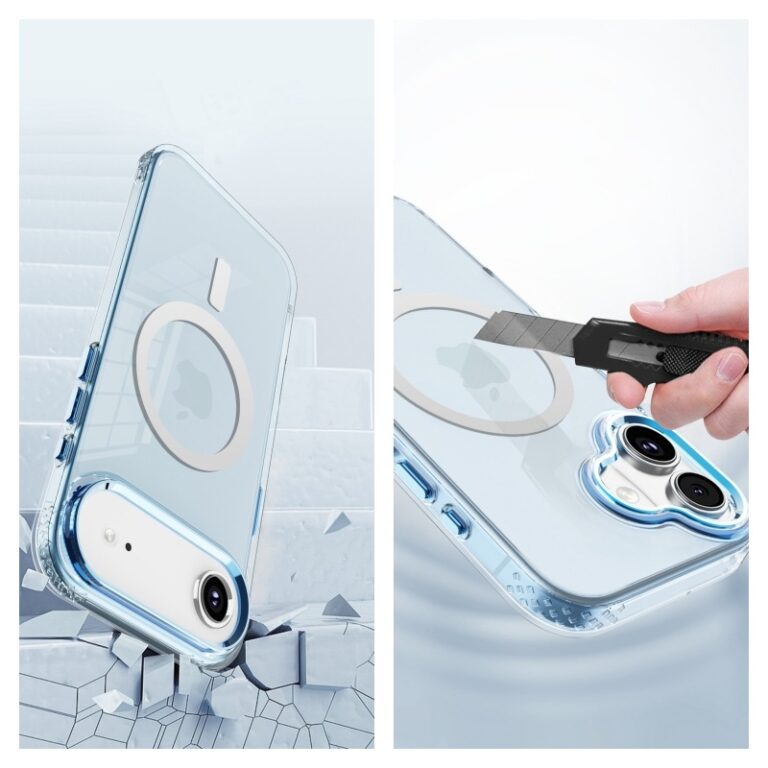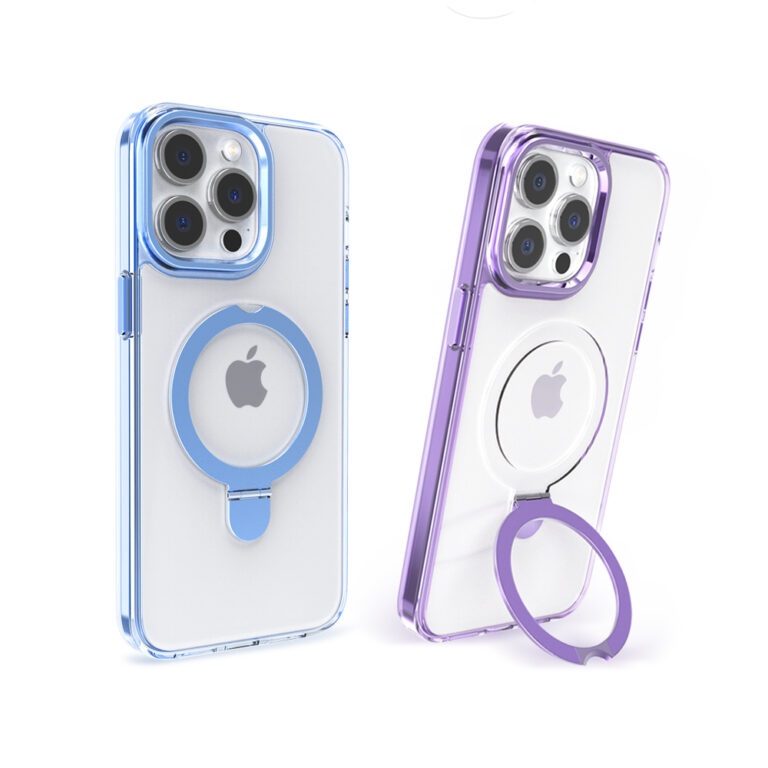

Customizing phone cases can be a smart move for brands that want to expand their product line, strengthen brand identity, and increase customer loyalty. In a crowded accessories market, custom phone cases are no longer just add-on products. They have become an important category for lifestyle brands, e-commerce sellers, retailers, and private label businesses that want to stand out.
But while the opportunity is attractive, many brands underestimate what goes into successful phone case customization. A good-looking mockup does not always become a successful product in the market. Behind every strong case launch is a series of decisions involving material selection, fit accuracy, protective performance, surface finish, packaging, pricing, and manufacturing feasibility.
When brands rush through the development process, they often run into avoidable problems. Some choose the wrong materials. Some focus too much on appearance and forget performance. Some fail to think about margins, packaging, or long-term scalability. Others work with the wrong custom phone case manufacturer and end up dealing with delays, inconsistent quality, or costly revisions. Runsuncase positions its OEM/ODM service around custom development, fast sampling, and stable mass production, while its inquiry page is set up for direct project discussions.
For brands planning a new collection, avoiding these mistakes early can save time, reduce risk, and improve product-market fit. In this article, we break down 10 common mistakes brands make when customizing phone cases and explain how to avoid them.
1. Prioritizing Looks Over Real-World Function
One of the most common mistakes in customizing phone cases is focusing too heavily on visual design while ignoring daily usability. A case may look premium in marketing images, but if it performs poorly in real life, customers will notice immediately.
A phone case still needs to do its core job. It should protect the device, feel comfortable in the hand, and support everyday convenience. Brands that focus only on graphics, finishes, or logo placement often end up with products that look attractive online but generate disappointing reviews after purchase.
A well-developed custom phone case should consider practical features such as:
- drop protection
- responsive button coverage
- camera lip protection
- anti-slip grip
- wireless charging compatibility
- MagSafe alignment, where applicable
- durability under repeated use
For example, a slim fashion case may still need raised edges and scratch resistance. A magnetic case may need stable ring alignment and reliable magnetic strength. A leather-style case may need to feel premium without becoming too bulky. The Wireless Power Consortium says Qi2 uses magnetic attachment technology to improve alignment, efficiency, and ease of use, which is exactly why magnetic positioning matters when brands develop charger-friendly case structures.
The best customized phone cases balance appearance and performance. If the product looks beautiful but fails during daily use, it can weaken customer trust and damage the brand.
2. Choosing the Wrong Materials for the Brand Positioning
Material selection is one of the most important parts of phone case customization, yet many brands treat it as a secondary decision. They choose a material based only on cost, trend appeal, or a sample that looks good at first glance, without thinking deeply about the target customer or the intended market position.
Different materials create very different user experiences. Common options include:
- TPU for flexibility and shock absorption
- PC for structure and printed surface support
- TPU + PC combinations for balanced protection and appearance
- liquid silicone for soft touch and minimalist appeal
- PU leather or leather wrap for a premium lifestyle look
- clear materials with anti-yellowing treatment for transparency-focused designs
- IML or IMD finishes for decorative graphics with better visual depth
A premium brand may want a skin-feel finish, metal button details, or leather-style materials. A trend-focused brand may prefer glossy prints, gradient effects, or IML artwork. A protective accessories brand may need reinforced corners, shock-absorbing edges, and stronger frame structures.
The mistake happens when the material does not match the customer expectation. A case that feels cheap can hurt a premium brand. A decorative case that scratches easily can disappoint fashion buyers. A clear case that yellows too quickly can lead to returns and poor reviews.
When developing custom phone cases for brands, material decisions should always reflect three things:
brand image, customer usage habits, and price positioning.
If your team is still evaluating material direction, it also helps to review a dedicated phone case materials guide before locking in sampling.

3. Creating Generic Designs That Do Not Build Brand Identity
Another major mistake brands make when customizing phone cases is producing designs that feel generic. Many companies enter the category with basic logo placement, standard color blocks, or visuals that follow trends without expressing a distinct brand identity.
This is a problem because customized phone cases should do more than carry branding. They should feel like a true extension of the brand itself.
In a competitive market, customers have endless options. If a case looks interchangeable with dozens of other products, it becomes easy to replace. Even if the product gets some short-term sales, it may do little to strengthen long-term recognition or customer loyalty.
A strong custom phone case development strategy should connect the product to the wider brand system, including:
- brand colors
- graphic language
- packaging style
- material direction
- product tone
- target audience lifestyle
- shelf or online presentation
For example, a minimalist premium brand may need clean lines, subtle textures, and restrained logo execution. A youth-focused fashion brand may prefer bold pattern development, glossy finishes, and seasonal color themes. A practical tech accessories brand may need understated design paired with clear product functionality.
Good customization is not just decoration. It is brand translation in product form.

4. Overlooking Mold Accuracy and Device Fit
A phone case is a precision product, not a loose lifestyle accessory. One of the most damaging mistakes in customizing phone cases is underestimating the importance of fit accuracy.
Even a small mistake in mold development can create a frustrating customer experience. Problems often include:
- misaligned camera cutouts
- tight or loose button placement
- charging port access issues
- poor speaker openings
- weak grip on the phone body
- incompatibility with screen protectors
These problems may seem minor during concept design, but they quickly become major issues once the case reaches real users. Customers are unlikely to tolerate poor fit, no matter how attractive the design is.
This risk becomes even higher when brands develop cases for newly released or upcoming phone models. In these situations, some companies move too quickly based on incomplete dimension data. That can lead to expensive revisions, dead stock, or a rushed rework cycle.
A reliable OEM phone case development partner should support brands through:
- mold confirmation
- sample testing
- fit checking on physical devices
- structural review before mass production
- adjustment rounds when needed
Fit accuracy is not a small detail. It is one of the foundations of product quality.

5. Treating Protection as a Secondary Concern
Some brands approach phone case customization as a purely visual project. They think mainly about artwork, finishes, or branding elements while treating protection as something optional. This is a costly mistake.
Even if a case is not positioned as rugged, it still needs to meet the performance expectations of its target customer. Different structures deliver different protection levels, but every case should have a clear purpose.
For example:
- a slim case should still help reduce scratches and minor impact damage
- a shockproof case should include reinforced corners or impact-resistant structure
- a clear case should balance transparency with scratch and yellowing resistance
- a MagSafe-compatible case should support both convenience and daily protection
Protection should be considered during development, not added as a marketing message later. Brands should think about drop resistance, edge height, material resilience, and overall structural stability early in the sampling stage.
In many cases, product performance can be improved through details such as:
- corner airbag structure
- raised bezel design
- stronger inner frame support
- thicker impact zones
- better bonding between materials
- correct magnetic ring placement
If you are developing magnetic styles, reviewing magnetic phone case solutions alongside your charging-compatibility requirements can help your team align design expectations earlier in the process. The Wireless Power Consortium’s Qi and Qi2 standards are widely used as the benchmark for wireless charging compatibility and magnetic alignment in mobile accessories.
A custom phone case that underperforms in real use can lead to negative reviews far faster than a plain-looking case.

6. Adding Too Many Features Without a Clear Product Focus
Brands often assume that more features mean more value. In reality, overcomplication is one of the most common mistakes in custom phone case development.
A brand may try to combine too many ideas into one product, such as:
- printed artwork
- glossy and matte contrasts
- kickstand function
- card holder feature
- metallic accents
- charm attachments
- extra-thick protection
- premium packaging upgrades
On paper, this may sound like a stronger offer. In production, however, it can create a case that feels unfocused, bulky, inconsistent, or too expensive for the target market.
Too many combined features can also lead to:
- higher defect rates
- longer lead times
- increased assembly complexity
- reduced comfort in use
- weaker visual identity
- lower profit margins
The best custom phone cases usually center on one strong product idea. That idea might be premium texture, everyday protection, magnetic functionality, fashion print quality, or retail-ready presentation. But it should be clear.
Focused products are easier to manufacture, easier to market, and easier for customers to understand.
7. Ignoring Manufacturing Feasibility Too Late in the Process
One of the biggest hidden risks in customizing phone cases is treating design and production as separate stages. Some brands finalize visuals first and only ask the factory whether the design is possible after everything has already been approved internally.
That often causes delays and compromises.
Not every design effect translates well into mass production. Some graphics shift during printing. Some finishes behave differently on curved surfaces. Some decorative parts create assembly weaknesses. Some materials do not support certain textures, coatings, or color effects consistently across batches.
For example:
- a certain print effect may look great digitally but lose clarity in real production
- metallic details may affect durability or raise cost too much
- complex surface combinations may slow production efficiency
- some structures may work on one phone model but not another
This is why custom phone case development should include feasibility discussion early. A capable supplier should help review:
- artwork suitability
- structure limitations
- surface process compatibility
- material behavior
- tolerance risk
- assembly practicality
- mass production consistency
If you want to explain this step more clearly to buyers, it also helps to reference a manufacturing-focused article like how phone cases are manufactured, which walks through materials, molding, finishing, printing, and QC stages on Runsuncase’s site.
Strong phone case customization happens when creative design and manufacturing logic work together from the beginning.

8. Neglecting Packaging as Part of the Product Experience
Many brands put most of their effort into the case itself and leave packaging decisions until the end. This is a mistake, especially for brands selling through e-commerce, retail, gifting channels, or premium positioning.
Packaging is not separate from the product. It shapes first impressions, perceived value, and brand professionalism.
For custom phone cases for brands, packaging can influence:
- unboxing experience
- retail shelf visibility
- product storytelling
- gift appeal
- customer trust
- resale readiness for wholesale or retail partners
A well-developed case with weak packaging can feel unfinished. On the other hand, smart packaging can elevate a relatively simple product.
During phone case customization, brands should think about:
- box structure
- printing quality
- insert cards
- finish style
- product messaging
- barcode placement
- compliance labels
- sustainability positioning where relevant
For B2B buyers, packaging also affects operational efficiency. Retailers may need easy barcode scanning. E-commerce brands may need better damage prevention during shipping. Premium brands may need packaging that supports a higher perceived price point.
If your service page includes branded inserts, cartons, or retail presentation, this is the right place to add an internal link such as phone case packaging options. For external references, GS1 explains how barcodes support retail and supply-chain scanning, while the Sustainable Packaging Coalition provides packaging-design resources that many brands use when evaluating sustainability direction.
If the packaging feels generic or careless, the whole product line can lose impact.

9. Failing to Plan for Margins, MOQ, and Scalability
A custom product should not only look right. It also needs to work financially. One of the most overlooked mistakes in custom phone case customization is building a product line without a clear margin structure or scale plan.
Some brands become too focused on visual details and forget to evaluate the full business model behind the product. As a result, they create cases that are expensive to produce, difficult to scale, or too complex to maintain across multiple phone models.
Before finalizing a new custom phone case line, brands should evaluate:
- target retail price
- factory cost
- packaging cost
- shipping implications
- minimum order quantity
- lead time stability
- defect risk
- profit margin
- potential expansion into future models or collections
This is especially important for growing brands. A design that works for one limited run may not work for a broader launch across multiple SKUs. If the product is too complicated, too expensive, or too difficult to reproduce consistently, it can become a long-term burden rather than a profitable category.
Brands scaling through online retail may also find it useful to review a category-focused page like wholesale phone cases for growing e-commerce brands when thinking about replenishment, assortment expansion, and repeatability.
The strongest customized phone cases are not just unique. They are scalable, repeatable, and commercially sustainable.
10. Choosing a Supplier Based Only on Price
The final mistake is often the most expensive one. Many brands choose a supplier based mainly on the lowest quotation, without properly evaluating experience, communication, sample development ability, or quality control systems.
Low pricing may look attractive at the beginning, but it often hides bigger risks later:
- inconsistent product quality
- poor communication during revisions
- slow sample turnaround
- weak packaging execution
- unstable production timelines
- limited material knowledge
- lack of proactive problem-solving
A reliable custom phone case manufacturer should do more than make products at a competitive cost. The right partner should help brands improve design feasibility, guide material choices, reduce risk during sampling, and support quality consistency during mass production. Runsuncase’s homepage and OEM/ODM page both position the company around custom design, sampling, QC, and production support for brand projects.
When evaluating a supplier for customizing phone cases, brands should look at:
- experience with OEM or private label projects
- material and process knowledge
- speed and accuracy in sampling
- mold development capability
- QC workflow
- packaging support
- communication quality
- ability to scale production over time
A supplier should be a development partner, not just a price source. Choosing the wrong one can affect product quality, launch timing, customer satisfaction, and ultimately brand reputation.
Final Thoughts
Customizing phone cases can be a strong business opportunity for brands, but it requires more than a design idea and a logo file. The most successful projects come from a structured development process that considers branding, materials, performance, fit, packaging, margin, and manufacturing execution together.
The most common mistakes are also the most avoidable. Brands that understand how custom phone cases are actually developed are better positioned to make smarter decisions, reduce production risk, and launch products that perform well in the real market.
Before moving forward with a new case collection, brands should ask themselves:
- Does this product reflect our brand clearly?
- Does it deliver the right level of function and protection?
- Is the material right for our audience and price point?
- Can the design be produced consistently at scale?
- Does the packaging support the product value?
- Are we working with the right manufacturing partner?
A strong custom phone case should do three things at once: represent the brand, serve the user, and support long-term business growth.
For brands planning a new project, working with an experienced custom phone case manufacturer can make the development process far more efficient. The right partner can help with material selection, prototyping, mold accuracy, packaging, and scalable production—so the final product is not only visually appealing, but also market-ready and built for growth. If you are ready to move forward, you can also request a custom phone case sample or start a discussion through the OEM/ODM development page.

Avoid Costly Mistakes in Your Next Custom Phone Case Project
Developing custom phone cases takes more than a good design idea. It requires the right materials, precise fit, reliable protection, strong packaging, and a manufacturing partner that understands how to turn concepts into scalable products.
At Runsuncase, we help brands develop custom phone cases with practical support across material selection, prototyping, sampling, packaging, and mass production.
Looking for a reliable custom phone case manufacturer for your brand?
Contact Runsuncase today to discuss your next project, or explore our OEM/ODM development services to see how we support custom projects from concept to production.