
When brands, importers, and distributors search for a reliable phone case factory , price is often the first thing they compare. But experienced B2B buyers know that pricing alone does not reveal whether a supplier can consistently meet quality, compliance, lead time, and scalability requirements. That is why a factory audit is one of the most important steps before placing a large order or starting a long-term OEM/ODM partnership .
A professional audit helps buyers look beyond sales claims and polished presentations. It shows how a factory actually operates, how it controls quality, how it manages materials, and whether it can support your product standards over time. For phone case buyers, this matters even more because the category involves a wide range of materials, finishes, device models, testing expectations, and branding requirements.
In this article, we will explain what to look for in a phone case factory audit, why each area matters, and how B2B buyers can reduce sourcing risk by evaluating the right details before production begins.
Why a Factory Audit Matters for Phone Case Buyers
A phone case factory may appear capable on paper, but real operational strength is only confirmed through deeper evaluation. Audits help buyers verify whether the factory has the systems, equipment, workforce, and management discipline needed to produce cases that meet required standards.
For example, a supplier may say it can manufacture TPU, PC, silicone, leather, hybrid, or magnetic cases . However, a proper audit reveals whether the factory truly has stable molding capabilities, material traceability, surface treatment control, packaging accuracy, and quality inspection procedures . Without this validation, buyers risk facing inconsistent products, delayed shipments, customer complaints, or even compliance issues in their target markets.
A factory audit is not only about identifying problems. It is also about understanding the overall maturity of the supplier. A strong audit result can help you move forward with more confidence, negotiate more effectively, and build a supply chain that supports long-term growth.
1. Factory Legitimacy and Business Basics
The first thing to confirm during a phone case factory audit is whether the supplier is a genuine manufacturer and whether its business information is consistent and transparent. Some suppliers present themselves as factories while actually outsourcing most or all production to third parties.
Start by checking the company registration, business license, and operating history. Confirm the factory name, registered address, years in operation, and export experience. Then compare those details with the information presented on the supplier’s website, product catalogs, and communication records.
It is also helpful to verify the number of employees, main product categories, and the size of the facility. A factory that specializes in phone cases should be able to clearly explain its production focus, major markets, and typical customer profile. If the answers are vague or inconsistent, that can be an early warning sign.
Buyers should also confirm whether the audited location is the actual production site. In some cases, the sales office and the factory are different places, so the audit should focus on where the products are really made.
2. Production Capacity and Manufacturing Capability
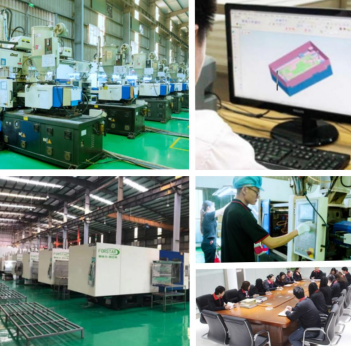
One of the most important parts of a phone case factory audit is understanding whether the factory has enough production capacity for your current and future orders. Capacity is not just about how many units the factory says it can make per month. It is about whether its machines, staff, workflow, and scheduling system can support stable output.
Inspect the production lines used for injection molding, compression molding, printing, painting, laser engraving, assembly, and packaging. A qualified factory should have organized workflows and suitable equipment for the case types it offers. If you plan to develop custom designs [Internal Link: Custom Phone Case Page], it should also have in-house or coordinated tooling capabilities.
You should pay attention to machine condition and maintenance records. Old or poorly maintained equipment can affect product consistency and slow down production. Ask how many machines are dedicated to phone case production, how often they are serviced, and whether the factory can expand output during peak seasons.
A good audit should also assess production planning. Factories with mature systems usually have better order scheduling, clearer lead time control, and stronger delivery reliability. For B2B buyers, this is critical because delays in the phone accessories category can quickly disrupt launch timelines and retail promotions.

3. Material Control and Traceability
Material quality has a direct impact on the performance, appearance, and durability of every phone case. That is why a phone case factory audit should carefully review how the factory sources, stores, identifies, and tracks raw materials.
Phone cases may use TPU, PC, TPE, silicone, leather, recycled materials, magnets, metal rings, microfiber linings, and adhesive components. Each material must be handled properly to avoid contamination, deformation, discoloration, or performance problems.
Check whether incoming materials are inspected before use. A reliable factory should have clear procedures for verifying material specifications, color consistency, hardness, and supplier documentation. It should also separate qualified and unqualified materials to prevent accidental use in production.
Traceability is another key point. If a buyer later discovers a defect in a batch, the factory should be able to trace the issue back to the raw material lot, production date, machine, and inspection record. Strong traceability systems reduce risk and help resolve quality issues more efficiently.
4. Quality Control System
A phone case factory audit should always include a detailed review of the quality management system. Even if the factory has good equipment and materials, weak quality control can still lead to high defect rates and inconsistent shipments.
Evaluate quality control at three stages: incoming quality control, in-process quality control, and final inspection. Incoming inspection checks raw materials and purchased components. In-process inspection verifies critical points during production, such as molding accuracy, print alignment, magnetic ring positioning, coating quality, or button fit. Final inspection ensures finished goods meet agreed standards before packing and shipment.
Ask whether the factory has written inspection standards, defect classification rules, and sample approval procedures. A strong supplier will be able to show inspection reports, quality checklists, and corrective action records. Many buyers also look for a documented ISO 9001 quality management system, since ISO describes it as the globally recognized quality management standard and notes that it focuses on establishing, implementing, maintaining, and continually improving a QMS.
It should also explain how it handles rejected items and how it prevents the same issues from happening again. Factories with mature systems often build their processes around recognized quality management principles.
For B2B buyers, consistency matters more than isolated success. The goal is not simply to find a factory that can produce a good sample once. The goal is to find a phone case factory that can deliver the same quality across multiple production runs.

5. Product Testing Capability
Testing is especially important in the phone case category because buyers increasingly expect both protective performance and functional compatibility. During a phone case factory audit, find out what kinds of testing the factory can perform in-house or through trusted third-party partners.
Relevant tests may include drop testing, fit testing, button response testing, magnetic alignment checks, coating adhesion, scratch resistance, colorfastness, aging tests, and packaging durability checks. If the factory produces magnetic cases , it should also understand magnet strength, positioning tolerance, and accessory compatibility requirements.
Do not just ask whether the factory can do testing. Ask to see the process, equipment, records, and test standards used. Even if all tests are not done in-house, the factory should demonstrate an understanding of which tests matter for different product types and customer requirements.
A factory that takes testing seriously is usually better prepared to support premium brands, retail chains, and customized projects with stricter standards.
6. Compliance and Certification Readiness
For many buyers, especially those selling in North America and Europe, compliance is a major part of supplier evaluation. A phone case factory audit should review whether the factory understands the compliance expectations linked to materials, chemical restrictions, labeling, and social responsibility.
Common buyer concerns include material compliance, restricted substances, environmental documentation, and factory certifications. Depending on your market and customer requirements, you may need support related to REACH regulation, RoHS requirements, CPSIA-related material expectations, or broader supply chain standards. The European Commission’s REACH and RoHS pages are useful references when assessing how well a supplier understands chemical and hazardous-substance compliance expectations.
It is also useful to check whether the factory can provide supporting documents in a timely and organized way. A supplier may claim it can meet compliance requirements, but if its documentation is incomplete or poorly managed, that can create major delays later.
Beyond product compliance, many B2B buyers also care about social and ethical standards. Audit points may include working conditions, labor practices, safety training, fire protection, emergency exits, and facility cleanliness. These factors affect both risk management and brand reputation.

7. R&D and Custom Development Capability
If your business requires private label, OEM, or ODM services , then a phone case factory audit should also evaluate product development capability. Not every factory is equally prepared to support new concepts, unique structures, or custom branding.
Check whether the supplier has an engineering or development team, sample-making support, mold coordination experience, and a structured process for turning ideas into production-ready products. For example, if you need a custom magnetic case, kickstand design, camera ring detail, or premium packaging solution, the factory should be able to explain how it manages design review, prototyping, and revision cycles.
This area matters because product development mistakes can lead to repeated delays, tooling waste, and unexpected mass production issues. A factory with strong R&D support is often more valuable than one that only competes on price.
8. Packaging, Warehouse, and Shipment Management
Many quality problems happen after production, not during it. That is why a phone case factory audit should also cover packaging control, finished goods storage, and shipping preparation.
Inspect how products are packed, labeled, and stored before shipment. Cases should be protected against scratches, dust, pressure marks, and mixing errors. If your orders include multiple SKUs, custom barcodes, or retail packaging, the factory should have a reliable system to avoid carton mistakes.
Warehouse conditions also matter. Poor storage can expose products to moisture, dirt, heat, or damage. Organized inventory control helps reduce shipping errors and improves order accuracy.
For B2B buyers, strong logistics preparation is especially important when handling seasonal launches, large-volume retail orders, or multi-model assortments.
Final Thoughts
Choosing the right phone case factory is not just about finding a supplier that offers competitive pricing. It is about finding a manufacturing partner that can protect your brand, support your product standards, and scale with your business over time.
A thorough factory audit helps you evaluate the real strengths and weaknesses behind the sales pitch. From legal legitimacy and production capacity to material control, quality systems, testing, compliance, and development support, each audit area gives you a clearer picture of supplier reliability.
In a competitive accessories market, buyers who audit carefully make better sourcing decisions. By knowing what to look for in a phone case factory audit, you can reduce risk, improve product consistency, and build stronger long-term supply chain partnerships.
Need a Reliable Phone Case Factory for Your Brand?
If you are evaluating suppliers for your next project, choosing the right phone case factory starts with the right audit standards. From production capability and material traceability to compliance and OEM/ODM development support, every detail matters.
If you are looking for a manufacturing partner that understands B2B quality expectations, custom development, and stable delivery, to discuss your project requirements.