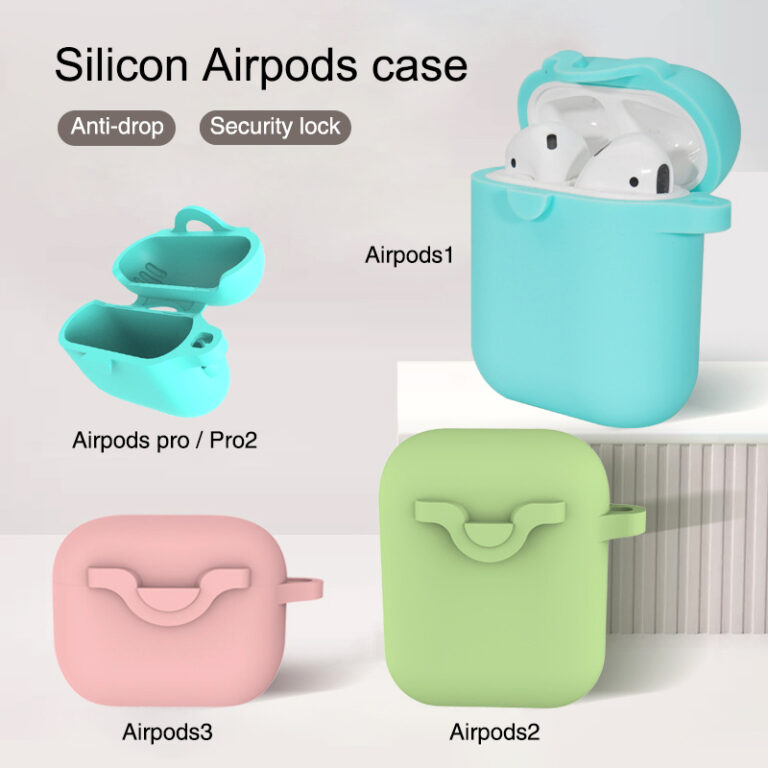
Running a successful phone accessories business starts with smart sourcing. Whether you’re launching an online store or stocking a retail shop, finding the right suppliers can make or break your profit margins. The wholesale phone accessories market hit $93.34 billion in 2023 and keeps growing as smartphones become essential daily tools. This guide walks you through the nuts and bolts of building a reliable supply chain that delivers quality products at competitive prices.
How to Find Reliable Phone Accessories Suppliers?
It’s about obtaining phone accessories at wholesale costs without breaking the bank, which requires you to be informed and aware of the red flags to avoid them. The sourcing horizon has transformed in recent years, with increased choices, but also increased pitfalls to avoid.
B2B Purchase Websites
Most potential purchasers’ top priority remains Alibaba and Global Sources, but do not rule out newer players like Made-in-China.com. Visit such platforms and focus on suppliers with:
- Trade Assurance coverage
- At least 3 years of history of operation
- Response rates above 80%
- Actual factory photos, not product images
Begin discussions with multiple suppliers before committing. Request specific inquiries regarding their capacity for creating and custom orders. Genuine manufacturers will provide comprehensive written answers, whereas traders tend to be vague.

Trade Show Communication Channels
Nothing beats face-to-face interactions with suppliers. The Hong Kong Electronics Fair and the Guangzhou Canton Fair bring together thousands of manufacturers under one roof. Plan to allocate a few thousand U.S. dollars for a successful trade show trip, including airfare and accommodation expenses. Bring business cards and prepare a checklist of the must-have items. Many suppliers offer show-only discounts.
Direct Factory Supply eliminates intermediaries, placing extra cash in your hands. Factory-direct sourcing is often less than that of houses. Seek factories that have in-house R&D departments and injection molding equipment. These factories accommodate unique orders and maintain steady quality.

Good Quality Suppliers (e.g., Runsun)
Elite suppliers distinguish themselves with reliability and creativity. Consider Runsun, a phone case producer that has supplied large retailers for over ten years. They hold ISO 9001 registration and operate in-house test facilities. Suppliers like this provide:
- Product Liability Insurance
- Regular third-party audits
- Transparent rates of defects (typically below 2%)
- Clear lines of communication with designated account managers
During prospecting for potential customers, request client referrals and follow up with them. Feedback directly from other customers educates you more than any certificate.
Suppler Qualification Verification
Never skip due diligence, regardless of how reasonable the prices look. Request business licenses, export licenses, and any related certifications. Consider conducting factory audits with reputable organizations like SGS or Bureau Veritas if you’re purchasing orders worth $1 10,000 or more. Check the addresses of the suppliers on Google Maps – legitimate factories are typically registered as industrial plots, not blocks of apartments.
The right supplier becomes a long-term partner, rather than just a seller. Spend time upfront during verification to avoid costly mistakes in the future.

How to Control Phone Accessories Quality?
Poor quality can devastate your reputation overnight. A single shipment of defective chargers or cases that crack within a week will trigger returns and damaging reviews that can negatively impact sales in the future.
Certification Standard Requirements
These markets call for different certifications. To export to the US market, ensure the applicable FCC equipment authorization for RF/wireless accessories, and consider UL 2056 for power banks and UN 38.3 transport testing for lithium batteries. European customers ask for CE marking (e.g., under the Radio Equipment Directive where applicable), RoHS, and for battery-containing products, compliance with EU Battery Regulation (EU) 2023/1542. Don’t trust the suppliers’ assertions – verify certificate numbers in the official databases. Trustworthy suppliers are happy to provide documents and test reports.
Material Test Procedures
Learn how to identify good materials. Test phone cases by folding the corners – the good TPU snaps back in place instantly, but the cheap plastic remains dented. Test charging cables by the thickness and flexibility – use thicker power conductors (e.g., 24 AWG or lower) for higher-current charging with sturdy TPE or braided nylon wrapping.
Function Test Procedures
Set out clear, effective procedures for tests:
- Drop-test around 4 ft (≈1.2 m) onto plywood over concrete per MIL-STD-810G 516.6
- Conduct repeated bend-cycle tests per your spec
- Check real-world charging speeds with a USB meter
- Verify waterproofing with a test in a water bowl
- Verify magnetic strength in MagSafe accessories
Use an AQL sampling plan (ANSI/ASQ Z1.4) rather than 100% inspection.
Sample Evaluation System
Order samples before placing bulk orders. Pay for expedited shipping – it’s cheaper to spend $50 on fast shipping than risk losing $5,000 due to poor inventory. Develop a scoring sheet that rates durability, appearance, packaging, and functionality. Compare at least three suppliers’ samples before placing your order.
Brand Authenticity Verification
Counterfeit accessories are abundant in the market, particularly for well-known brands such as Apple and Samsung. For Apple ecosystem accessories, verify MFi licensing via Apple’s official accessory search and look for the MFi badge; Apple devices also perform cryptographic accessory authentication. For other brands, ensure you find holographic stickers, distinctive serial numbers, and similar packaging standards.
Effective quality control ensures the investment and fosters customer confidence. The extra effort is worth it in the form of fewer returns and positive word of mouth.

How to Manage Orders and Logistics for Phone Accessories?
Smooth logistics keep customers happy and ensure a healthy cash flow. Poor planning here can lead to stockouts during peak seasons or tie up capital in dead inventory.
MOQ Negotiation
MOQs may be between 50 pieces and 5,000 pieces, depending on the product and the supplier. Negotiate with the packaging of several SKUs to fit the MOQs. If the supplier needs 1,000 pieces in each of the five colors, ask for 200 pieces of each color. Build relationships with small orders initially – the supplier can reduce the MOQs for repeat purchases.
Delivery Time Management
Typical production time is 15-30 days, depending on shipping time. Plan with buffer time:
- Sample approval: 3-7 days
- Production: 15-30 days
- Final inspection: 2-3 days
- Shipping: about 5–10 days by air; ~30–45 days door-to-door by ocean, depending on method
Rush orders usually carry a significant premium and still take roughly a week or more. Plan inventory quantities in anticipation of peak demand or rush orders.
Shipping Method Selection
Air freight arrives in 5-10 days, but costs vary by lane and season—quote current rates from a forwarder. Sea freight often takes ~30–45 days door-to-door; rates vary—request a current quote. Most phone accessories:
- Smaller, time-sensitive shipments: use air
- Heavy shipments: choose ocean
- Time-sensitive items: ever air freight
- Plan seasonal inventory three months before sea shipment
Express delivery services like FedEx or DHL are suitable for samples and small rush shipments, but are typically priced higher than general air cargo.

Customs Clearance Procedures
Proper paperwork avoids expensive holdups. Complete commercial invoices, shipment listings, and bills of lading accurately. State realistic values – under-statement may save duty, but risks the package being seized and fines being imposed. U.S. duty depends on the HTS classification; most formal entries also pay the Merchandise Processing Fee (0.3464% of value, minimum $33.58 and maximum $651.50 as of Oct 1, 2025) and—if arriving by ocean—the Harbor Maintenance Fee (0.125% of cargo value). Formal entry is typically required for shipments over $2,500. Use a customs broker for shipments exceeding $2,500.
Freight Cost Control
Bundle deliveries where you can. It’s far cheaper in unit costs to ship 500kg than to ship in five lots of 100kg. Join buying groups or order consolidation programs that aggregate orders of multiple buyers. Pack optimizations also matter – transitioning from single boxes to bulk packs reduces shipped volume by 40%.
Master these logistics basics, and you won’t be among the frequent failures that befall new importers.
FAQ
Q1: What startup capital do I need for wholesale phone accessories?
Starting a wholesale phone accessories business typically requires a low five-figure initial capital. This covers your first inventory order (several thousand dollars), shipping and customs (hundreds to a few thousand), business registration and licenses (around the low thousands), and working capital for operations (a few thousand). You can start smaller by focusing on one product category or using dropshipping initially. Many successful businesses began with only a few thousand dollars by choosing fast-moving items like charging cables and phone cases with lower MOQs. As sales grow, reinvest profits to expand your product range and negotiate better prices through larger orders.
Q2: How can I compete with bigger phone accessories retailers?
Small wholesalers succeed by finding niches bigger players ignore. Focus on specialized products like vintage phone cases, eco-friendly accessories, or items for specific phone models that major retailers don’t stock. Build relationships with local repair shops and small retailers who prefer personal service over corporate suppliers. Offer value-added services like custom packaging, faster delivery for urgent orders, or flexible payment terms. Use social media to connect directly with customers and gather feedback quickly. Your advantage lies in agility – you can test new products and adapt faster than large competitors stuck with massive inventories and slow decision-making processes.
Q3: What are the most profitable phone accessories to wholesale?
Screen protectors and phone cases consistently deliver often high markups from wholesale to retail. Tempered glass screen protectors have low unit costs relative to retail. Charging cables and adapters offer healthy margins with faster turnover. Wireless earbuds and power banks provide good profits but require a higher initial investment. Trending items like MagSafe accessories and LED selfie lights can reach very high markups when you’re early to a trend. Focus on consumable items that need regular replacement rather than one-time purchases. Track your local market to identify gaps – sometimes basic items like aux cables or car chargers offer surprising profits due to limited local competition.
Conclusion
Building a profitable phone accessories wholesale business takes careful planning, but the rewards justify the effort. Start by identifying reliable suppliers through platforms and trade shows, then establish strict quality controls to protect your reputation. Master the logistics of international shipping and you’ll avoid the costly mistakes that stop most new importers.
Ready to launch your phone accessories business? Begin with one product category, test the market with small orders, and scale based on real sales data. The phone accessories market keeps growing as new devices launch and consumers upgrade their gear. Your success depends on taking action – start reaching out to suppliers today and turn this guide into your competitive advantage.