Seasonal phone case launches need more than a new design idea. Brands need to plan when designs are finalized, samples are approved, packaging is ready, orders are placed, and inventory reaches the market. A clear calendar helps brands prepare seasonal collections without rushing development or missing the selling window.
Work Backward From the Retail Shelf Date
Start with the date when customers need to see the product available for purchase, then plan backward through each development stage. A seasonal launch calendar should include time for:
| Timing Before Launch | Main Activity |
|---|---|
| 12+ weeks | Confirm collection direction, target models, materials, and design concepts |
| 8–12 weeks | Review samples, confirm case structure, finish, colors, and functional details |
| 6–8 weeks | Approve final samples and packaging direction |
| 4–6 weeks | Lock artwork, SKU list, barcode files, and production details |
| 2–6 weeks | Complete bulk production, QC, packing, and shipping preparation |
| After launch | Track sales, customer feedback, and reorder needs |
A seasonal design using an existing case structure may need less development time, while a collection with new tooling, special materials, complex components, or multiple packaging versions needs more preparation.
Design freeze should happen before production files are finalized. Once the product structure, artwork, colors, packaging, and sample approvals are confirmed, the team can move into bulk production with fewer changes.
Shipping time also needs to be included in the calendar. A finished order still needs time for transportation, customs clearance, warehouse receiving, and retailer preparation before the selling period begins.
Which Seasons Matter for Phone Case Brands?
Different seasons create different product opportunities. Brands should choose launch windows based on their target customers, sales channels, and product positioning. Common seasonal opportunities include:
- Back-to-school: Functional, colorful, and everyday designs that appeal to students and younger customers.
- Holiday and gift season: Premium finishes, gift-ready packaging, themed designs, and collection bundles.
- Summer travel: Bright colors, lifestyle graphics, protective cases, and practical features for active use.
- New device launches: New model coverage, updated case structures, and early-access collections.
- Fashion drops: Limited colors, patterns, collaborations, and seasonal collections that refresh the brand image.
Not every seasonal event requires a completely new product line. Many brands can create new releases by updating colors, graphics, finishes, or packaging while keeping the same production-ready case structure.
Match Seasonal Designs With Stable Base Structures
Seasonal launches often need fresh designs, but they do not always require a new case structure. Keeping the base structure stable can make development, sampling, and reorders easier while allowing brands to refresh the collection regularly.
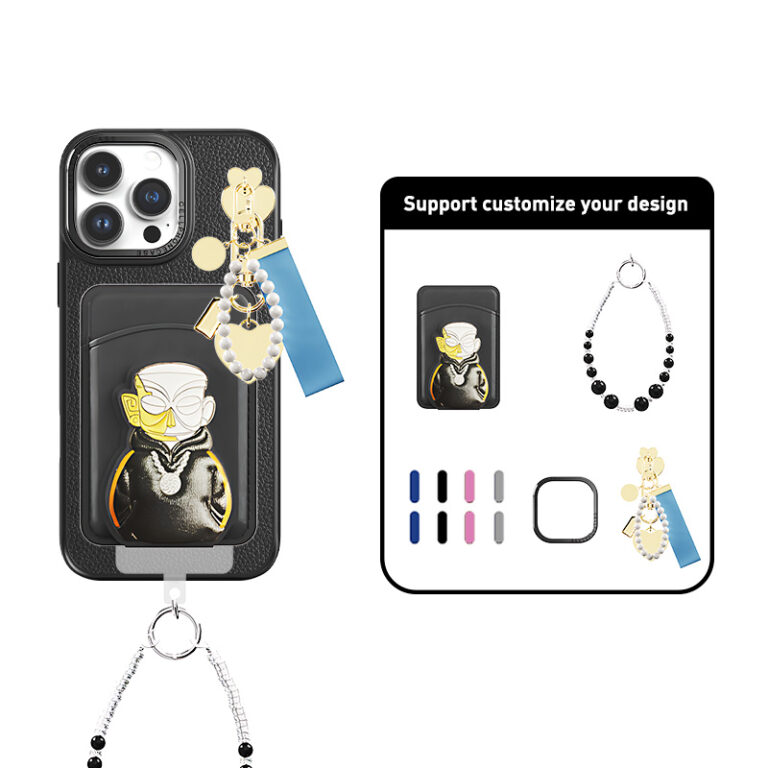
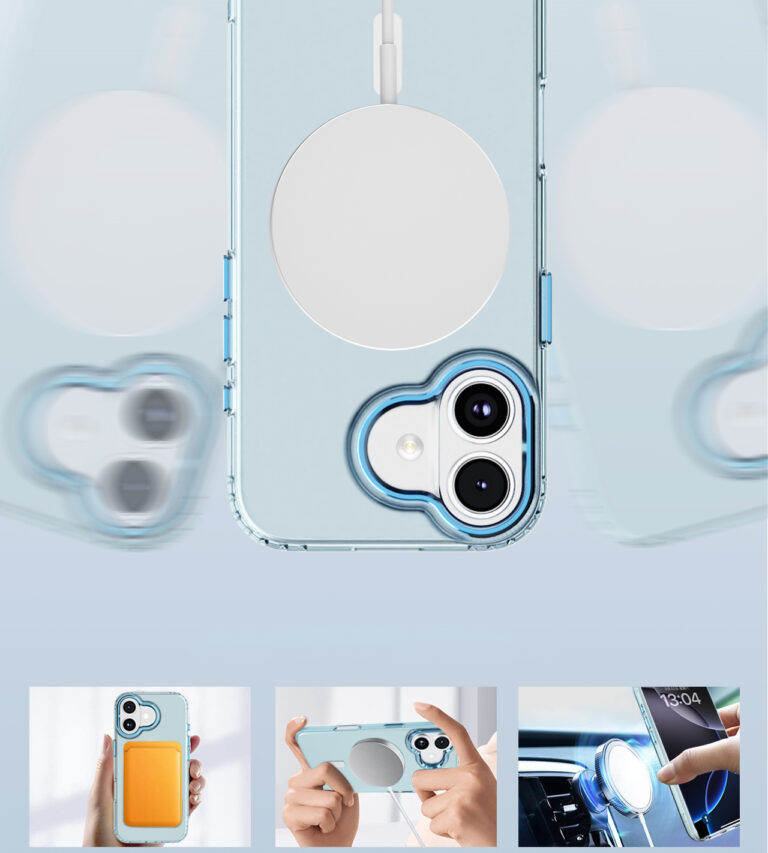
Many seasonal updates can be made through changes such as colors, patterns, finishes, logo details, or packaging. For example, a clear case platform can support different graphic collections throughout the year, while a magnetic case can introduce new colors or surface designs for different seasons.
This approach also makes trend testing easier. When the structure stays the same, brands can focus on whether customers respond to the design direction instead of changing too many product factors at once.
New structures are more suitable when the launch needs a clear product difference, such as a new kickstand function, a different protection level, or a new material direction. These changes usually require more development work, so they should be supported by a clear customer need and sales opportunity.
Runsuncase can help brands review available case structures, materials, finishes, packaging options, and sample requirements through its brand customization service before moving a seasonal concept into production.
Separate Evergreen SKUs From Seasonal Test SKUs
Seasonal collections work better when brands separate products that need long-term stock from products designed for a shorter selling period.
Give Evergreen SKUs More Inventory Support
Evergreen SKUs are products that can sell across multiple seasons. These may include clear cases, popular colors, protective structures, or magnetic cases that fit regular customer demand. These products usually need broader model coverage and deeper inventory because they are more likely to generate repeat orders.
Keep Seasonal SKUs More Controlled
Seasonal SKUs often have a shorter selling window. Holiday graphics, limited colors, and trend-based designs may create strong interest but may not need the same inventory depth as evergreen products.
A smaller first order allows brands to review sales performance before expanding the design into more colors or models. This approach also reduces the risk of leftover inventory after the season ends. Successful seasonal designs can later become repeat collections, while weaker designs can be replaced with new releases.
Plan Reorders Before the Selling Window Ends
Reorders should be planned before inventory reaches a critical level. Waiting until a seasonal product is almost sold out may leave too little time for production and shipping.
Monitor:
- Sales speed by SKU
- Customer feedback
- Retailer requests
- Remaining inventory
- Production lead time
- Packaging availability
The reorder decision should also consider whether the product will continue into the next season. A core color may continue with the same packaging, while a holiday design may need a new artwork version.
Packaging and file control are especially important for repeat orders. The purchase order, SKU list, artwork files, barcode information, and approved sample should all match the version being reordered.
For brands working with a phone case supplier, clear reorder records make it easier to repeat successful products and update seasonal collections without unnecessary changes.
What to Send the Manufacturer Before Seasonal Sampling
A clear seasonal brief helps the manufacturer prepare the right samples and production plan. Before sampling, provide:
- Target market and sales channel: Where the collection will be sold and who the customer is.
- Launch date: The required selling window and important delivery milestones.
- Phone models: The device list included in the collection.
- Design direction: Colors, patterns, graphics, references, and brand style.
- Material and finish requirements: Case structure, surface finish, decoration process, and functional features.
- Packaging requirements: Box type, collection naming, labels, barcode needs, and retail presentation.
- Expected quantity: Initial order volume, SKU breakdown, and possible reorder expectations.
Sample reviews should confirm the actual product, not only the design concept. Check fit, color, finish, logo placement, function, and packaging before approving bulk production.
A clear seasonal brief helps brands move from an idea to a production-ready collection with fewer changes during the launch process.
Build a Seasonal Calendar That Supports Repeat Sales
A successful seasonal launch depends on timing, product planning, and inventory decisions working together. Brands should start from the retail date, confirm designs and samples early, separate evergreen products from seasonal tests, and prepare reorder plans before demand peaks. The goal is to create seasonal collections that are easy to launch, easy to manage, and strong enough to support future product decisions.
FAQs
Q1. How Early Should Brands Plan a Seasonal Phone Case Launch?
Start planning several months before the selling window, especially when the project includes new tooling, special materials, multiple models, or custom packaging. The exact timing depends on the product scope, sample rounds, production requirements, and shipping plan.
Q2. Should Seasonal Phone Cases Use New Designs or Existing Structures?
Many seasonal launches can use existing case structures with updated colors, graphics, finishes, or packaging. New structures make more sense when the product needs a new function, material direction, or customer experience.
Q3. How Should Brands Decide Which Seasonal Cases to Reorder?
Review sales speed, customer response, retailer feedback, remaining inventory, and the time needed for another production run. Seasonal products with strong demand can become repeat collections or expand into more models.
Q4. What Information Does a Manufacturer Need Before Seasonal Sampling?
Provide the target market, launch date, phone models, design direction, materials, functions, packaging requirements, and expected quantity. A complete brief helps the manufacturer prepare samples that match the final product plan.
Q5. How Should Brands Plan Inventory for Seasonal Phone Cases?
Seasonal products usually need a different inventory approach from evergreen cases. Core designs can support deeper stock and repeat orders, while limited colors, holiday graphics, and trend-based styles are often better tested with smaller quantities first. Sales results from the first launch can help decide which seasonal designs should return or expand into more models.