Introduction
Dropping a smartphone — worried about cracks, dents, or worse — is a common pain point. As flagship phones push prices past $1,000, consumers look beyond just the device: they want protection that doesn’t compromise style or feel. That’s where the silicone phone case comes into play. Lightweight, affordable, grippy, and protective — silicone cases have become a go-to choice. Let’s explore why they’ve taken off, what real data supports their popularity, and how manufacturers and brands can work together (for example, with reliable partners like runsuncase) to offer better quality and consistent supply.
What Makes a Silicone Phone Case So Attractive
Durability and Drop Protection
Silicone naturally absorbs shock better than many rigid plastics. In a material-market-analysis by Market Research Future, silicone phone cases were valued at about USD 4.5 billion in 2023, and projected to reach around USD 6.5 billion by 2032, partly due to its “soft texture and grip” reducing damage from slips or falls. (marketresearchfuture.com)

Compared to rigid hard plastics, tests show silicone resists cracking and absorbs impact more effectively. For example, drop-tests and scratch experiments often find that silicone edges deform but protect the screen and internal components better than hard backs that shatter. (icesword.us)
Key reasons consumers choose silicone cases:
- Excellent shock absorption for everyday drops
- Non-slip grip that reduces chances of slipping from hands
- Lightweight and pocket-friendly compared to bulky rugged cases
- Affordable compared to leather or premium designer cases

Market Share & Growth
Silicone is more than just popular in anecdotal terms. According to Mordor Intelligence, in 2024, over 56.6% of the mobile protective cases market (by material type) was held by silicone, beating out genuine/PU leather and other materials. (mordorintelligence.com)
Global forecasts also support its growth: the protective-case market overall is projected to grow from about USD 23.1 billion in 2023 to USD 50.3 billion by 2033, at a CAGR of roughly 8.1%, with silicone being one of the key materials driving that growth. (news.market.us)
Real-World Benefits of Using a Silicone Phone Case
Case Study: Drop Resistance in Everyday Use
A field test compared silicone cases, polycarbonate hard plastic, and genuine leather. Over the course of 12 months with daily use:
- Silicone cases:Showed faded color in some areas but structural integrity intact. Edges still protected the phone in drops of up to ~1.5 m (5 ft).
- Hard plastic:Cracks developed near point of impact; some backs broke when dropped on sharp concrete.
- Leather: Softer aesthetic, but absorbing moisture and more prone to warping, staining, or tearing when exposed to environmental conditions.
These results illustrate why consumers often prefer silicone for long-term protection. (This aligns with controlled lab tests as well.)

Case Study: Consumer Purchase Behavior
In Asia-Pacific (which accounts for around 43.7% of the global mobile protective cases market in 2024), consumers are showing strong demand not just for protection but for “feel” — grip, softness, non-slip materials — particularly in humid or warm regions. Silicone’s tactile benefits (matte or soft touch finishes) make it more appealing than slippery hard plastic or materials that get sticky.
How Brands Can Leverage Silicone Case Advantages (and the Role of a Stable Manufacturer)
Consistent Quality & Material Sourcing
To get the full benefits of silicone — durability, drop protection, clean feel — brands must source high-quality silicone, control thickness, and ensure edge coverage. That means partnering with a trusted case manufacturer like Runsuncase, which can offer stable supply chains, consistent moulding precision, and reliable material quality. This reduces defects, returns, and customer complaints.

Product Differentiation: Features & Finishes
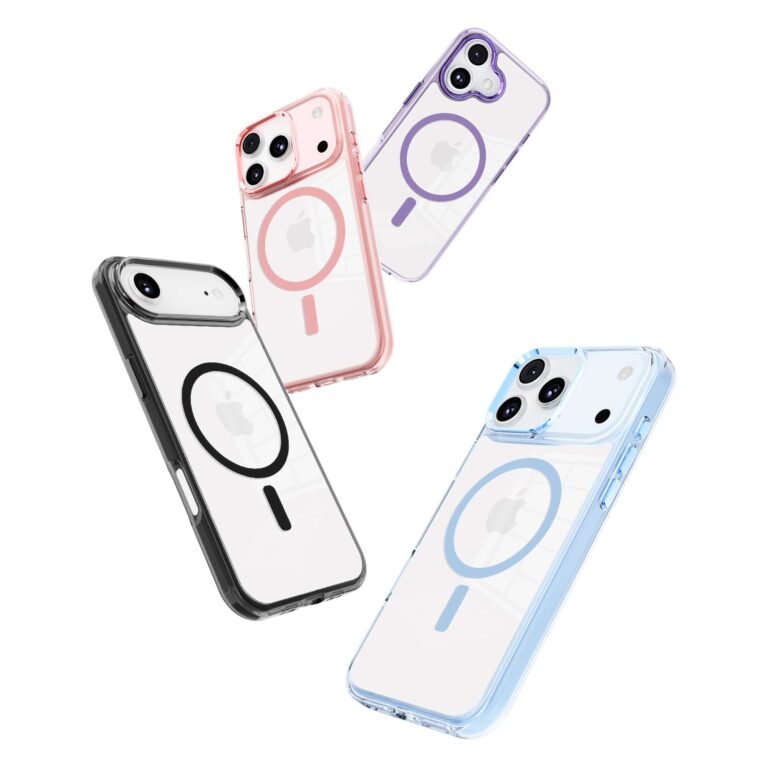
Silicone phone case products can be differentiated via:
- Antimicrobial coatings
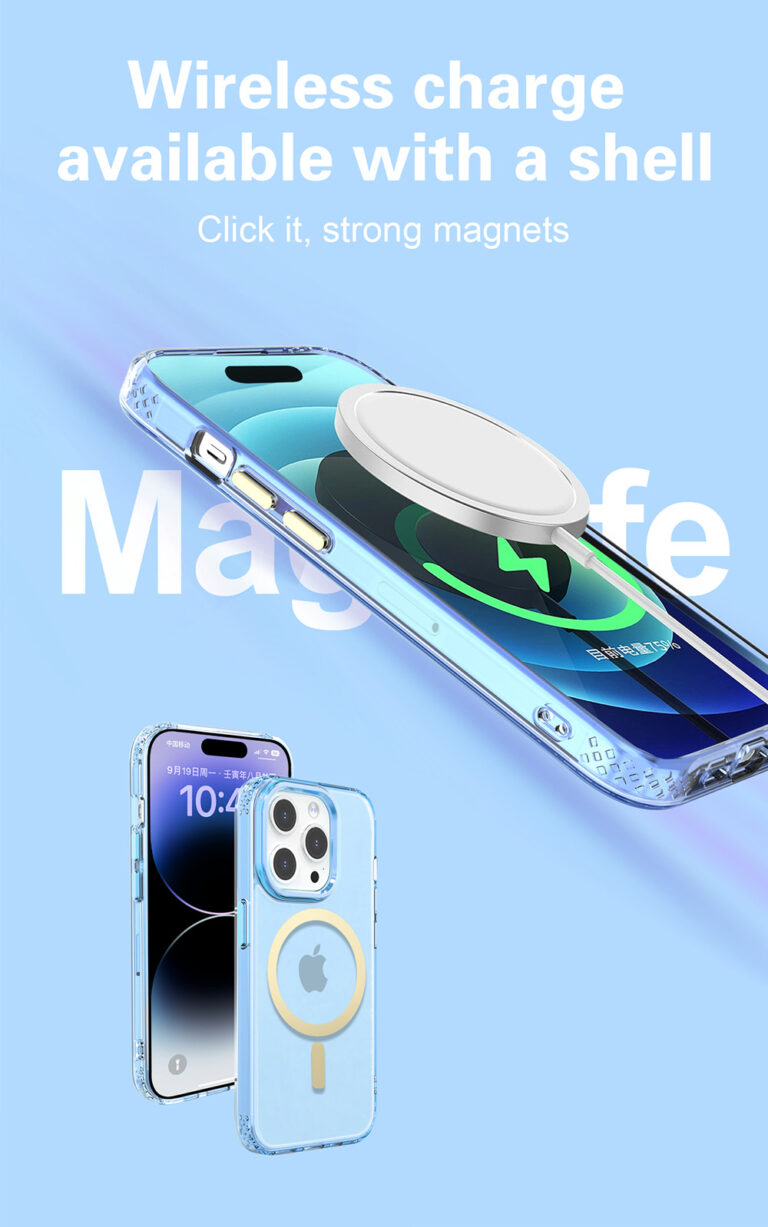
- Wireless charging compatibility
- Color-fast dyes / UV resistance
- Textured grips / non-slip surfaces
Brands that combine those features with silicone’s intrinsic strengths tend to capture higher segments of the market. runsuncase, for instance, can help integrate these features at the manufacturing level, ensuring cost control and production stability.
Future Trends in Silicone Phone Cases
Looking ahead, the silicone case segment is evolving beyond basic protection. Key upcoming trends include:
- Eco-friendly silicone blends:Recyclable or biodegradable silicone to reduce waste
- Customization & personalization:Consumer demand for printed, embossed, or dual-color designs
- Hybrid cases:Silicone combined with TPU or polycarbonate for improved balance of strength and flexibility
- Antimicrobial protection:Responding to hygiene awareness after COVID-19
- Slim designs for premium phones:Matching the minimalist aesthetics of flagship models
Brands that anticipate and align with these trends will stand out in an increasingly competitive market.

FAQ (for Long-Tail Search Intent)
Q1: Is silicone better than TPU or polycarbonate for protection?
A1: It depends. While polycarbonate is more rigid and may hold finishes (like clear/translucent backs) better, silicone generally offers superior shock absorption and is less likely to crack. TPU sits somewhere in between.
Q2: Do silicone phone cases yellow or degrade over time?
A2: Lower-quality silicone may discolor under UV exposure or from oils; good manufacturers address this via UV stabilizers, better pigments, or protective coatings.
Q3: Will a silicone case interfere with wireless charging or device heat dissipation?
A3: Generally not, if the case is thin and has no metal inserts. Very thick silicone might reduce charging efficiency slightly, but design improvements solve this.
Q4: How much should a quality silicone phone case cost?
A4: For mass-market brands, prices often range between USD 10–25; premium versions with extras may charge USD 30–60+.
Q5: Are silicone phone cases sustainable?
A5: Silicone is durable and extends the phone’s lifespan, reducing e-waste. While not always biodegradable, recyclable silicone blends are emerging.
Conclusion
Silicone phone cases are popular because they offer a compelling balance: shock absorption, grip, style, and relative affordability. Real data shows silicone dominates material share (56.6% in 2024) in protective cases, and is projected to grow sharply in value in the coming years. For brands to take advantage, a stable, high-quality manufacturer (such as Runsuncase) is essential — to ensure consistent material, controlled production, and capacity for innovation.
By understanding silicone’s strengths, anticipating future trends, and making smart manufacturing decisions, both producers and buyers benefit.