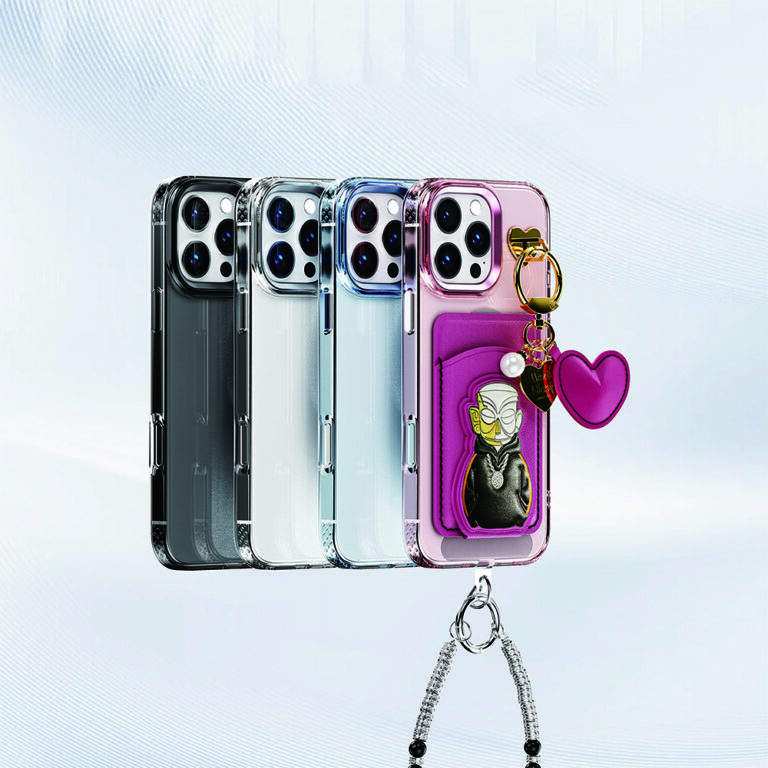

A custom OEM case manufacturer can build a better sample when the brand starts with clear direction. Before sampling, prepare your product brief, model list, design files, material preferences, feature requirements, packaging needs, and sample approval rules. A clean brief helps the project move faster, keeps feedback specific, and gives custom OEM cases a stronger path from concept to bulk production.
Start With a Clear Product Brief
A product brief gives the manufacturer the basic context behind the case. It explains what the product is, who it is for, where it will be sold, and what kind of result the brand expects.
This step should come before mold discussion, material selection, or packaging design. A case for a retail shelf may need different packaging and surface details than a case planned for an online bundle. A slim lifestyle case may need a different structure from a more protective model.
A useful product brief should include:
- Target market, such as online buyers, retail stores, distributors, or private label customers
- Sales channel, such as e-commerce, wholesale, retail, gift sets, or brand collections
- Product positioning, such as slim, protective, magnetic, leather-style, clear, or fashion-focused
- Target price range
- Priority device models
- Expected order type, such as sample test, seasonal launch, or long-term product line
The device model list should be exact. Instead of writing only “iPhone cases” or “Samsung cases,” list the specific models that matter most to your sales plan. Case dimensions, button placement, camera openings, port access, and magnetic layout all depend on the exact model.
For custom OEM cases, a focused model list often works better than trying to sample every model at once. Brands can start with the strongest models, test the product direction, and expand once the first sample is approved.
A clear brief also helps the custom phone case manufacturer respond with better suggestions. When the factory understands your target customer and product goal, it can recommend a more suitable structure, finish, and sampling path.
Prepare Design and Branding Files
Design files turn the idea into something the manufacturer can produce. The more accurate the files are, the less time both sides spend clarifying basic details.
For logos, vector files are usually best because they keep edges clean when resized. Common usable formats include AI, PDF, EPS, and SVG. If the case uses artwork, patterns, photos, or detailed graphics, provide high-resolution image files.
Color references should also be specific. A screenshot can show the general direction, but it may not give the factory enough control over color matching. If your brand has fixed colors, include Pantone numbers, CMYK values, or another clear color standard.
Surface finish references are just as important. Words like “matte,” “glossy,” “frosted,” “soft-touch,” or “transparent” can be interpreted in different ways. A close-up photo, previous sample, or physical reference gives the manufacturer a clearer target.
Useful files and references may include:
- Logo files in vector format
- Pattern or artwork files
- Pantone or color values
- Product sketches or 3D renderings
- Reference photos for texture, transparency, or finish
- Font rules for brand names or packaging
- Placement notes for logos, patterns, or buttons
A concise file package gives the custom OEM case manufacturer a clearer reference for sample development. It also makes feedback easier later because both sides can compare the sample against the same files.
File names should be simple and organized. For example, separate logo files, case artwork, packaging artwork, and model lists into clearly named folders. This small step can make the sampling process easier for both the brand team and the production team.

Decide the Case Structure and Key Features
After the design direction is clear, confirm how the case should be built. A custom OEM case manufacturer needs to know the material, mold direction, protection level, and functional details before making the first sample.
Start with the basic structure:
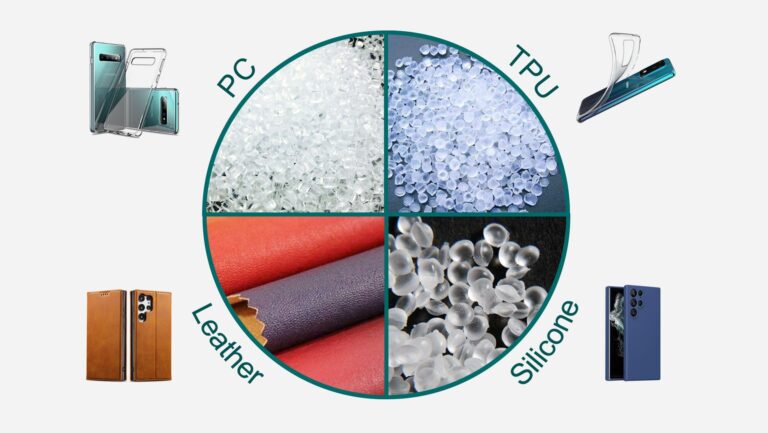
- Material direction, such as TPU, PC, TPU plus PC, silicone, or leather-style material
- Case profile, such as slim, protective, hybrid, wallet, or clear case
- Surface finish, such as matte, glossy, frosted, printed, or soft-touch
- Mold path, such as using an existing mold or developing a new mold
- Button and camera details, such as independent buttons, raised camera rings, or lens protection
Then confirm any added features. If the case needs magnetic alignment, a kickstand, card holder, strap hole, camera control opening, or reinforced corners, the manufacturer should know before sampling begins. These details affect structure, tooling, material choice, and sample review.
For iPhone-related projects, device compatibility should also be checked early. Apple provides official Apple accessory design guidelines for accessory developers, including specifications for cases and other accessories. Reviewing these requirements before sampling can help brands prepare clearer notes for fit, openings, buttons, magnetic alignment, and prototype testing.
For OEM ODM phone cases, brands should also decide whether they want to adjust an existing design or develop a more customized structure. Choosing OEM or ODM early helps the manufacturer quote, sample, and plan production more accurately.

Plan Packaging and Private Label Details
Packaging is often part of the product, not an afterthought. For private label phone cases, packaging affects the retail look, SKU control, shipping setup, and customer experience.
Before sampling, the brand should decide what level of packaging support is needed. Some projects only need a simple protective bag or box. Others need a full retail package with printed artwork, barcode, insert card, hanging display design, or outer carton markings.
A private label project may include:
- Branded box, pouch, sleeve, or hanging package
- Logo placement on the case and packaging
- Barcode and SKU label
- Device model name
- Product description
- Insert card, warranty card, or instruction sheet
- Outer carton label and shipping mark
The wording on packaging should also be reviewed early. Product names, material descriptions, compatibility claims, and feature labels need to be clear and accurate. This is especially important when one case design is sold across several models or channels.
Packaging samples can help the brand check more than visual design. They also show how the product fits inside the box, how labels appear, and how the item may look on a retail shelf or in an e-commerce unboxing experience.
For custom OEM cases, early packaging planning can make future reorders easier. Once the first package layout, SKU format, and label style are confirmed, the brand can use the same system across more colors, models, and product lines.

Set Clear Sample Approval Standards
The first sample should be reviewed with a clear checklist. A stronger sample review should go beyond appearance when the product may move into bulk production.
Before the sample arrives, decide which details must be approved and which details are only minor adjustments. This helps the brand give faster and clearer feedback.
A useful review can separate comments into two groups:
- Must fix: details that affect fit, function, branding, packaging accuracy, or product use
- Nice to adjust: small refinements that improve appearance but do not block approval
The first group may include device fit, button response, port openings, camera alignment, magnetic function, kickstand movement, card holder fit, logo position, and barcode accuracy. The second group may include minor finish preference, small color tuning, or packaging layout refinements.
Brands should check the sample from both a product angle and a sales angle. The case should fit the device properly, feel comfortable in hand, match the approved color direction, and present the brand clearly. The packaging should also match the intended sales channel.
A strong sample review may include:
- Device fit and edge coverage
- Button feel and port access
- Camera ring and opening alignment
- Logo size, color, and placement
- Material texture and surface finish
- Magnetic, stand, card holder, or strap function
- Packaging layout, barcode, and label accuracy
- Notes for final approval
After approval, the final sample should be kept as the reference sample for production. Many brands call this a golden sample. It gives both the brand and manufacturer a shared standard when checking future bulk production.
Specific feedback is better than broad comments. Instead of saying “make the logo better,” write “move the logo 2 mm lower” or “reduce the logo size by 10 percent.” Clear feedback helps the custom phone case manufacturer make precise revisions and move the project forward.

Work With a Custom OEM Case Manufacturer More Efficiently
Strong sampling starts with clear preparation. A detailed brief, accurate model list, organized files, confirmed materials, feature notes, packaging direction, and sample approval checklist help a custom OEM case manufacturer build with clearer expectations and a smoother sampling path.
For brands developing custom OEM cases or OEM ODM phone cases, early preparation makes the next step easier. Share the right details before sampling, confirm the key decisions, and create a sample that can move smoothly into production.
FAQs
Q1. How Long Does Sampling Usually Take With a Custom OEM Case Manufacturer?
Sampling time depends on the case structure, design files, material choice, added features, and packaging needs. A simple logo or color update is usually faster than a new mold or a more customized functional design. Clear files and fast feedback can help the project move more smoothly.
Q2. Do Brands Always Need A New Mold For Custom OEM Cases?
No, not every project needs a new mold. Many custom OEM cases can start from an existing mold with changes to color, logo, surface finish, buttons, or packaging. A new mold is more suitable when the brand needs a unique structure, special function, or model-specific design.
Q3. What Is The Difference Between OEM And ODM Phone Cases?
OEM phone cases are usually made based on the brand’s own design requirements. ODM phone cases often start from an existing manufacturer design that can be customized for the brand. Both paths can support private label and bulk production when the project details are clear.
Q4. Can A Custom Phone Case Manufacturer Support A Small Product Line Test?
Yes, many brands start with a focused product line before expanding. A test line may include a few popular device models, selected colors, and one or two key features. This approach helps brands review market response before adding more SKUs.