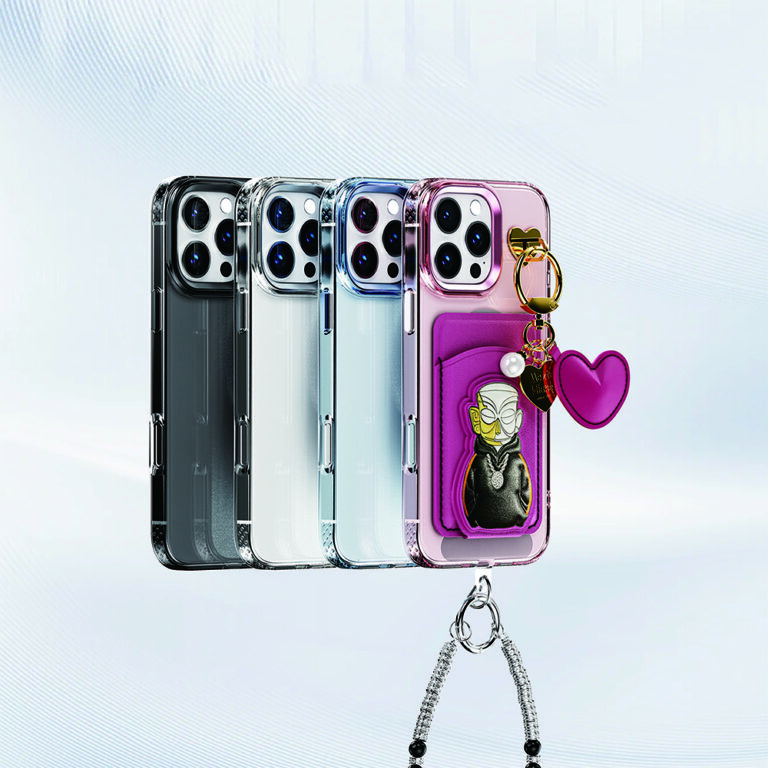
A clear case specification written before sampling tells the supplier three things. It says what result the case must deliver, which exact phone model or version it is for, and how you will decide whether the sample passes. Write every non-negotiable as a device-specific requirement, and pair it with an acceptance condition you can check on the sample.
Keep preferences and performance phrases like “anti-yellowing” in separate, labeled fields until you have evidence and an agreed pass condition. A well-written brief makes the sample review fair to both sides. On its own, though, it does not guarantee fit or durability.
Build the Brief Around a Sample Decision
Think of the brief as a record of what is being sampled and how you will judge it. The idea comes from general purchasing practice: a NIST purchasing procedure lists the specific product and acceptance criteria among the requirements to communicate to a supplier. That procedure was written for laboratory purchasing, not phone-case production, but the same logic fits a sample request.
- State the outcome and device scope. In one or two sentences, describe what the finished case should do for the end customer. Then name the exact phone model or version the sample covers.
- Sort every requested detail by priority. Label each item as a must-have, a preference, or an exclusion.
- Attach an acceptance condition to each must-have. Write the required result, how you will check it, and what evidence or reference supports approval.
- Prepare a versioned handoff. Send one controlled document that shows the revision, the reference files, and any open questions, so nothing goes unseen.
Separate Must-Haves, Preferences, and Exclusions
Sort every requested detail by priority and tie it to a specific device version. A must-have decides whether the sample can be approved, while a preference guides the supplier without causing a rejection.
Name the Device Version and Required Fit Details
Each phone version in scope needs its own entry. If one generic description covers several versions, nobody can tell which one a sample was built for or reviewed against. For each version, record:
- Device identifier: the full model name, including any size or generation variant.
- Openings and cutouts: which ports, speakers, microphones, and switches must stay accessible.
- Buttons: whether you want covered buttons or open cutouts.
- Camera-area design: the shape you want around the lenses, described in your own terms or shown in a sketch.
- Fit reference: the physical device, drawing, or file the supplier should build and check against.
You set these fields based on your product goal. Leave out any detail that doesn’t change the outcome, and don’t copy dimensions from another model.
Classify Features, Preferences, and Exclusions
Material, finish, magnetic accessory support, artwork, a custom logo, and packaging belong in the brief only when they affect the requested product or the sample approval. Then give each one a label. Here is an illustrative set: “Must-have: built-in magnetic ring for magnetic accessories.” “Preference: glossy edge finish.” “Exclusion: no printed logo on this sample round.” Writing down exclusions matters as much as writing down requirements. If the brief says nothing, a supplier may treat a passing comment as a must-have, or put time into a feature you planned for a later round.
Keep Performance Phrases Unapproved Until Defined
Words like anti-yellowing, UV resistance, scratch resistance, magnetic compatibility, and camera protection describe claims you want to make. They are not proven capabilities. In the brief, list each one as “requested, pending evidence.” If the supplier is proposing an existing material or product, ask for that product’s specifications or test evidence for the specific claim. Until you have both the evidence and an agreed acceptance condition, keep the claim marked unresolved. Don’t make up a pass threshold just to fill the field.
Define an Acceptance Condition for Every Must-Have
Every must-have needs a required result, a way to check it, and evidence that supports approval. The same NIST procedure says products and services are inspected or validated before use, and your sample review plays that role for a case you define yourself.
Make the Required Result Observable
A requirement is ready for sampling only when someone can look at the sample and say yes or no. NIST material on product data defines a product characteristic as a specification applied to a feature that requires verification, which is a useful test for every must-have row. Give each one these fields:
- Must-have: the feature or result you require.
- Device and version: the model it applies to.
- Required result: what an acceptable sample shows.
- Evaluation condition: how you will check it, such as a review on the intended device or a comparison with an agreed visual reference.
- Evidence or reference: the file, device, or supplier document that supports approval.
- Approval status: open, passed, failed, or pending evidence.

Here is an illustrative row. Must-have: an open charging-port cutout. Device: the model you named. Required result: the charging cable you specify plugs in fully with the case on. Check: your own test on that device. Status: open until you review the sample. If a row has no required result or no check, it is not a pass/fail condition yet. Finish it before you request the sample.

Keep Performance Evidence Claim-Specific
Match each piece of evidence to the one claim it supports. A sample photo or a general supplier statement does not prove every line in the brief. For a material claim such as anti-yellowing, ask for evidence about the specific material and product being sampled. Then agree with the supplier on what result counts as acceptable before you call the claim approved. Also keep in mind what a sample can and can’t tell you. Checking one sample shows that this sample met your agreed conditions. It does not show how later production will perform. If you don’t yet have product-specific evidence or criteria, mark the row pending and keep the claim out of your marketing copy.
Prepare the Supplier Handoff
Send one controlled document so both teams know which version of the clear case specification governs the sample. Include:
- Product and device identifiers: your internal product name or code, plus every device version in scope.
- Specification revision: a revision number or date on every page or file.
- Reference files: artwork, logo placement, and drawings, each identified by file name and revision.
- Sample acceptance conditions: the agreed must-have rows and their current status.
- Open questions and exceptions: pending performance evidence, unresolved choices, and any agreed deviation from the brief.
- MOQ or packaging details: only when they affect the sample or its approval, such as packaging that must ship with the sample.
If you share the brief with us through our official store, send it as a single file with these fields so both teams review the same revision. Your next step is to settle or clearly label every open acceptance decision before you ask for the sample.
FAQs
What should I do if the supplier proposes a change after I send the brief?
Record the change as an exception, decide whether it affects any must-have, and issue a new revision if you accept it. That way, the sample is reviewed against the document both sides actually agreed to, not against an older version or a verbal note.
Can I start from a supplier’s existing clear case instead of a new design?
Yes. Identify the existing product by the supplier’s own identifier, then list only the changes you need, such as a different device version or a custom logo. Any performance claims attached to that product still need product-specific evidence and an agreed acceptance condition before you approve them.
Does an approved sample guarantee that production cases will match?
No. Approval means that one sample met the conditions you set. If production consistency matters to you, treat it as a separate decision with its own agreed checks, rather than assuming the sample result carries over.
Who should write the acceptance conditions, the buyer or the supplier?
The buyer should draft them, because the buyer owns the product outcome. Share them with the supplier before sampling and confirm they can be checked. A condition only one side understands will lead to disputes when the sample arrives.