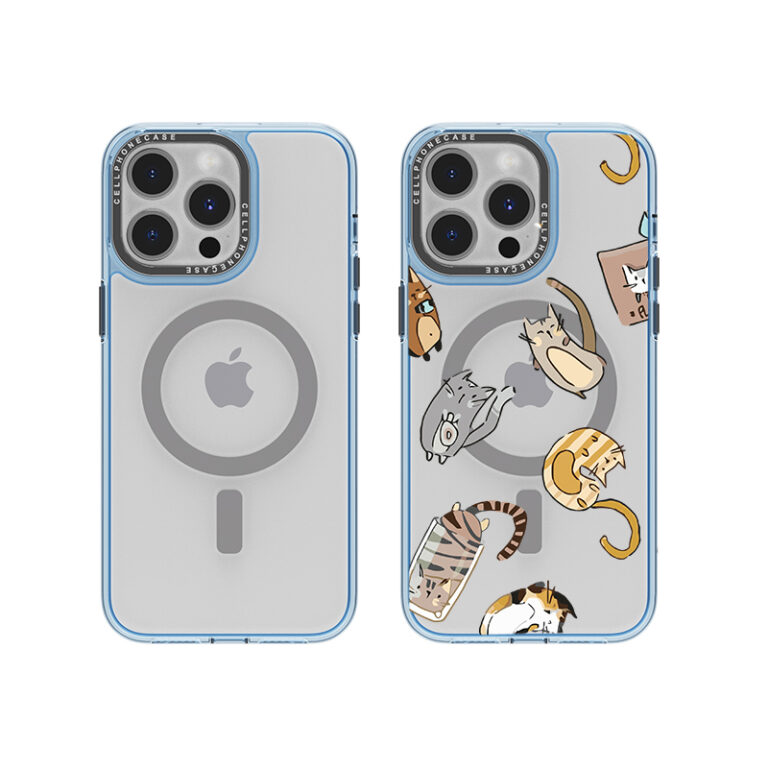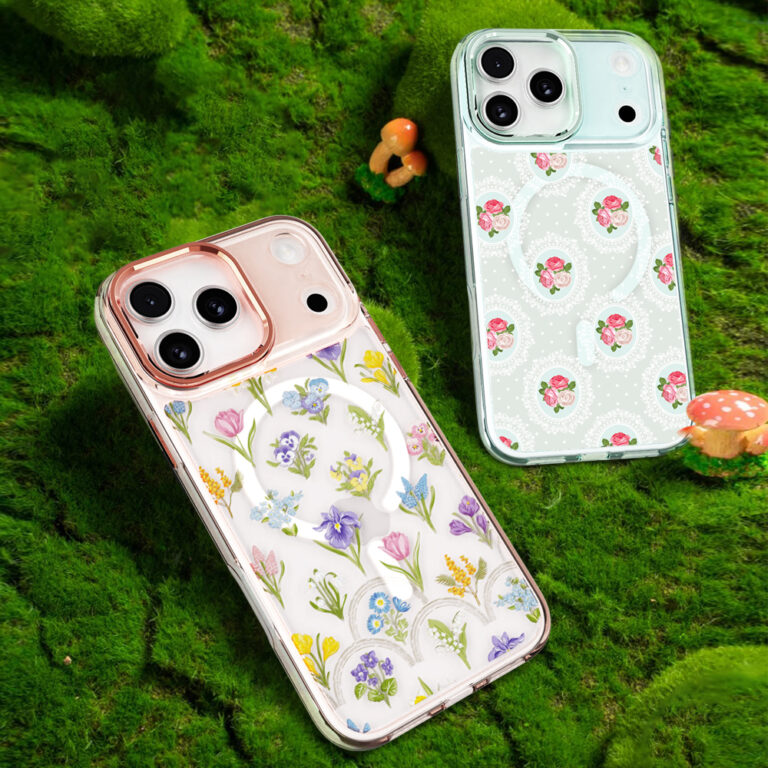
A bulk phone case order can look large until the total quantity is divided across phone models, colors, case versions, branding, and packaging. These variations may follow different production requirements, so buyers need to confirm how the MOQ applies before finalizing the order. Buyers can then see which variations need more volume, fewer options, or separate MOQ confirmation before the final quote is prepared.

What Does the Quoted MOQ Actually Apply To?
Before splitting the order, confirm what the quoted MOQ covers. Depending on the product and customization requirements, the minimum may apply to one color, one design, one product series, one case version, or another production combination. A large total order can still contain individual variations that fall below the required quantity.
The quote should show which models, colors, case versions, or custom features can follow the same MOQ rule and which need separate quantities. Custom printing, magnetic parts, stands, special finishes, or other tooling changes may create their own requirements depending on the project, so these rules should be clear before the buyer starts allocating the total order.

How One Order Turns Into Multiple MOQ Groups
Each model, color, and case version adds another variation to the order. For example, four phone models in three colors and two case versions create 24 product variations before any packaging or artwork differences are added. A 6,000-piece total order divided evenly across those 24 variations would leave only 250 pieces per variation.
The actual order does not need to be split evenly, but this calculation shows why total volume alone can be misleading. Some variations may be able to follow the same production conditions, while others may need separate quantity confirmation because the model, color, structure, printing, or component changes. Identifying those groups first gives buyers a realistic starting point for dividing the order.

How to Split the Total Quantity Across Models, Colors, and SKUs
The most practical way to split a bulk order is to work from the largest demand decision down to the individual SKU. Start with the total order quantity, allocate it across phone models, then divide each model by case version and color. The final numbers should reflect expected demand rather than an equal split.
Suppose a retailer plans an initial order of 6,000 cases across four phone models. If Model A and Model B are expected to generate most of the sales, the first allocation might look like this:
| Phone Model | Planned Quantity |
|---|---|
| Model A | 2,400 |
| Model B | 1,800 |
| Model C | 1,200 |
| Model D | 600 |
| Total | 6,000 |
The next step is to split each model by case version. Model A, for example, might receive 1,600 standard cases and 800 magnetic cases. If the standard case then comes in two colors, those 1,600 pieces could be divided again based on expected sales, such as 1,000 pieces in the primary color and 600 in the secondary color.
The final split therefore follows this sequence:
Total order → phone model → case version → color or design → individual SKU quantity
The percentages will vary by project. Existing sales data can guide established product lines, while a new launch may rely more on model priority, sales channel, customer profile, and the buyer’s own demand forecast. The main point is to put more volume into the variations expected to sell and avoid spreading the order evenly across every possible option.
MOQ should be checked after this first quantity split. If a secondary color or upgraded case version falls below its required minimum, the buyer can adjust that specific part of the order before changing the rest of the assortment.
Build an MOQ Matrix to Check the Quantity Split
Once the quantities have been allocated, put the actual variations into one MOQ matrix. Each row should show one sellable version of the product, including the phone model, case type, color, branding, packaging, and planned quantity. The MOQ column can then record whether that variation meets the confirmed requirement or needs another adjustment.
For example, a buyer could organize the planned quantities like this:
| Model | Case Version | Color | Branding | Packaging | Planned Qty. | MOQ Status |
|---|---|---|---|---|---|---|
| Model A | Standard | Black | Same logo | Standard box | 1,000 | Confirm |
| Model A | Standard | Blue | Same logo | Standard box | 600 | Confirm |
| Model A | Magnetic | Black | Same logo | Standard box | 800 | Confirm |
| Model B | Standard | Black | Same logo | Standard box | 1,100 | Confirm |
| Model B | Magnetic | Black | Same logo | Standard box | 700 | Confirm |
This table makes low-volume items easy to spot. It also shows exactly where the product changes, so the manufacturer can confirm which rows can follow the same MOQ rule and which need separate quantities. A buyer can then adjust one color, case version, or design without rebuilding the whole order.
The matrix should use the real product plan rather than rough placeholders. If a model, color, custom component, or packaging version is expected to move forward, it should appear in the table with its planned quantity before the final quote is issued.

What to Change When a Planned SKU Misses MOQ
If one or more SKUs fall below the required quantity, first identify which variation is creating the bottleneck. The order can often be adjusted by simplifying low-volume options or shifting volume into the versions expected to sell best.
- Reduce secondary colors: Keep the strongest core colors in the initial purchase and introduce seasonal options once sales volume stabilizes.
- Limit upgraded versions to priority models: Baseline cases can cover a broader model range, while magnetic, kickstand, or rugged variants start with the top flagship devices.
- Delay special printed designs or finishes: Move boutique or low-volume custom finishes to subsequent production runs.
- Consolidate packaging versions: Standardize on unified outer dimensions and blister trays across compatible phone sizes where feasible.
- Reallocate volume to high-velocity SKUs: Shift units directly into high-turnover models to satisfy manufacturing batch minimums.
For example, a buyer may want standard and magnetic cases across six phone models but find that the magnetic quantity is too low when divided across all six. Keeping the standard version on all six models while launching magnetic cases on the top three can reduce the number of low-volume variations. The remaining magnetic models can be added later if actual demand supports them.
The adjustment should still make commercial sense. Adding extra units to a weak SKU only to reach MOQ can create unwanted inventory, so the final split should balance production requirements with realistic sales expectations.
Check Packaging and Component MOQs Separately
The phone case itself is rarely the only item with a minimum order threshold. Custom retail boxes, magnetic arrays, integrated stands, metal buttons, and printed inserts each carry independent production batch constraints. Buyers must cross-reference these hardware and packaging quantities alongside the case MOQ rather than assuming uniform minimums across all bills of materials.
Packaging is a common example. Several models may use the same box structure, while different sizes, artwork versions, or retail formats may create additional quantities to confirm. For projects using custom phone case boxes, the box structure and planned quantity should be checked together with the phone case order before the final artwork moves forward.
The same rule applies to components such as magnetic rings or stands. If several case versions share the same component, their requirements may differ from a project that uses several component designs or finishes. Final quantities depend on the actual product setup, so these items should be listed beside the relevant case versions in the MOQ plan.

Put the Final MOQ Rules Into the Quote Before Sampling Moves Forward
The final commercial quote must detail exact quantity breakdowns rather than a single lump-sum figure. Quantities by device model, case structure, colorway, brand printing, hardware components, and packaging must fully align with the production roadmap, with separate batch thresholds clearly designated.
This also gives pre-production sampling a solid commercial footing. A buyer should verify that every planned variant can commercially support its intended bulk quantity before investing resources in prototype evaluation. Resolving unit economics upfront prevents costly redesigns after tooling and sampling begin.
For a bulk phone case project with Runsuncase, the initial project brief can include the target models, case versions, colors, branding, components, packaging, and planned quantity for each variation. These details give the project team a clear basis for confirming the MOQ structure and preparing the final quotation before sampling begins.
Build the Order Around the Real Quantity Split
Start with the total order quantity and work down to the individual SKU instead of dividing units evenly across every option. Prioritize the models with stronger expected demand, allocate upgraded versions selectively, and check the final SKU quantities against confirmed MOQ rules. The finished plan should show exactly how many units belong to each model, case version, and color before sampling moves forward. That gives both the buyer and manufacturer one clear quantity structure to use for quotation and production planning.
Common Questions About Phone Case MOQ
Q1. Does Phone Case MOQ Apply to the Total Order or Each Model?
It depends on the product and project requirements. The MOQ may apply to a model, color, design, case version, product series, or another production combination. Buyers should confirm how the minimum is calculated before dividing the total order quantity.
Q2. Should Bulk Phone Case Quantities Be Split Evenly Across Models?
Usually not. Models with stronger expected demand should receive higher allocations, while lower-priority models can start with baseline batches if they meet factory tooling minimums. Historical sell-through figures and device market share should guide the exact split.
Q3. Can Different Phone Case Colors Share the Same MOQ?
This depends on the material, color process, product structure, and project requirements. Custom masterbatch resin mixing or specialized spray painting often requires dedicated minimum volumes even when sharing identical mold cavities. The quotation must specify per-color minimums.
Q4. Can Different Phone Models Be Combined to Meet MOQ?
Sometimes, depending on the tooling setup and secondary processing. While different device models demand separate injection molds, shared packaging or unified surface printing runs may sometimes be consolidated. Each project should confirm with the engineering team which stages allow combined volume.