A phone case earns trust through small details: fit, feel, finish, function, and packaging. In phone case manufacturing, quality control before mass production helps brands align the approved sample with the final order. Clear standards give the phone case factory a shared target, so production can move with smoother communication and stronger consistency.
Golden Sample Standards Before Mass Production
A golden sample is the approved reference sample for bulk production. It shows the exact version the brand wants to repeat across the final order.
The golden sample should cover more than the overall look. It should confirm the shape, color, material, surface finish, logo placement, fit, function, and packaging. Once approved, it becomes the main standard for future checks.
A strong golden sample should confirm:
- Case size and device fit
- Button feel and port access
- Camera ring position
- Material texture and hand feel
- Logo size and placement
- Surface finish
- Color direction
- Functional parts
- Packaging layout and label style
The brand should also decide which details matter most before larger production begins. Device fit, button response, magnetic alignment, barcode accuracy, and model names usually need close attention because they affect customer use and retail presentation.
Smaller refinements can be recorded separately. These may include a slight color adjustment, a smoother edge, or a small change in logo position. Clear notes help the phone case factory adjust the sample with accuracy.
A golden sample makes quality control easier because both sides compare production against the same approved standard. Instead of relying on personal judgment, the brand and factory can check whether the final product matches the agreed sample.
Material, Color, and Finish Consistency
Material and finish shape the first impression of a phone case. They affect how the case feels in hand, how it looks in packaging, and how customers judge its value after purchase.
Before mass production, the brand should compare the production sample with the approved material direction. A clear standard helps the phone case factory keep the final order close to the golden sample.
| QC Area | What to Check | Why It Matters |
|---|---|---|
| Material | TPU, PC, silicone style, leather style, clear, or hybrid structure | The material affects flexibility, grip, weight, and product positioning. |
| Color | Color match against Pantone number, color card, or approved sample | Clear color references help the factory keep each batch closer to the approved direction. |
| Texture | Smooth, grippy, soft-touch, frosted, or patterned surface | Texture affects hand feel and customer perception. |
| Finish | Matte, glossy, transparent, printed, coated, or textured finish | The finish should match the approved sample and fit the product style. |
| Printing | Logo sharpness, artwork position, color clarity, and edge detail | Clean printing helps the case look more retail-ready. |
| Clear Case Appearance | Transparency, visual clarity, coating feel, and clean presentation | Clear cases need a consistent look across models and colors. |
| Edge Quality | Smooth edges, corner feel, and visible surface transitions | Edge quality affects comfort and the overall product feel. |
These checks are especially useful when manufacturing phone cases across multiple models, colors, or finishes. A clear standard helps the full product line feel connected, even when different SKUs have different details.
The goal is simple: the case customers receive should match the product the brand approved.

Modern phone case production line with organized assembly, quality inspection, and packed cartons ready for large retail orders.
Device Fit and Compatibility Checks
Fit is the first quality point a customer feels. A case may look attractive, but it still needs to sit securely on the device, align with key openings, and feel smooth during daily use.
Before manufacturing phone cases in bulk, brands should check the sample on the correct device model or an accurate fixture. A similar model name may still have different camera placement, button position, thickness, or port layout, so exact model matching matters.
Device fit checks should include:
- Edge coverage around the device
- Button response
- Charging port opening
- Speaker and microphone openings
- Camera cutout and camera ring alignment
- Screen edge clearance
- Corner shape and grip
- Magnetic or wireless charging alignment when relevant
The model list should also match the packaging and SKU system. Clear model naming helps retailers, distributors, and customers identify the right product more easily. It also supports smoother sales and inventory management.
Brands that sell through several channels may also need to think about common accessories. If the case is meant to work with screen protectors, charging accessories, magnetic wallets, or grip attachments, those points should be discussed before mass production.
Many people ask, “how are phone cases manufactured?” The answer often includes molding, finishing, printing, and packaging. For quality control, fit confirmation is just as important because it connects the production process to real product use.
Functional Details in Manufacturing Phone Cases
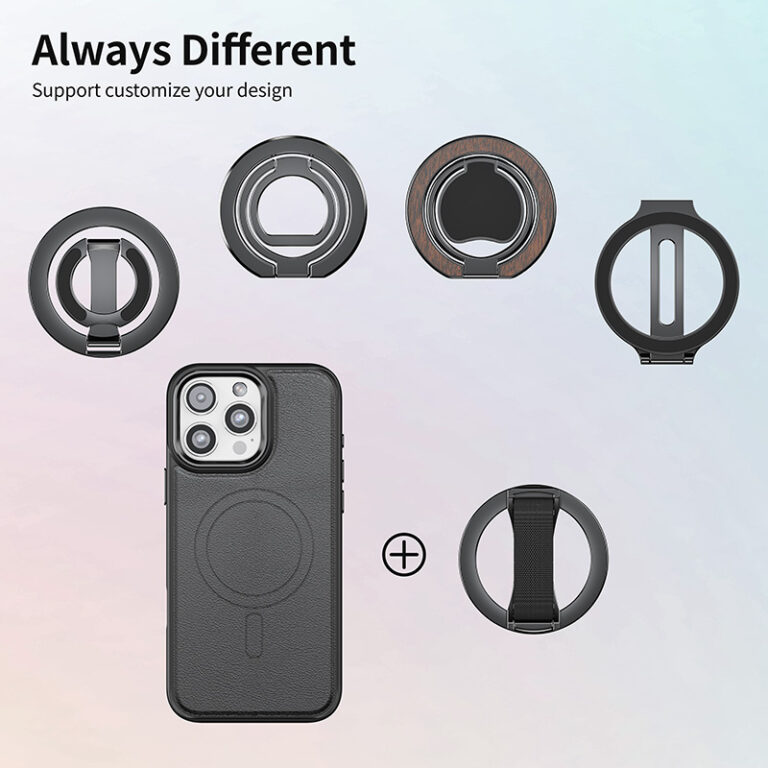
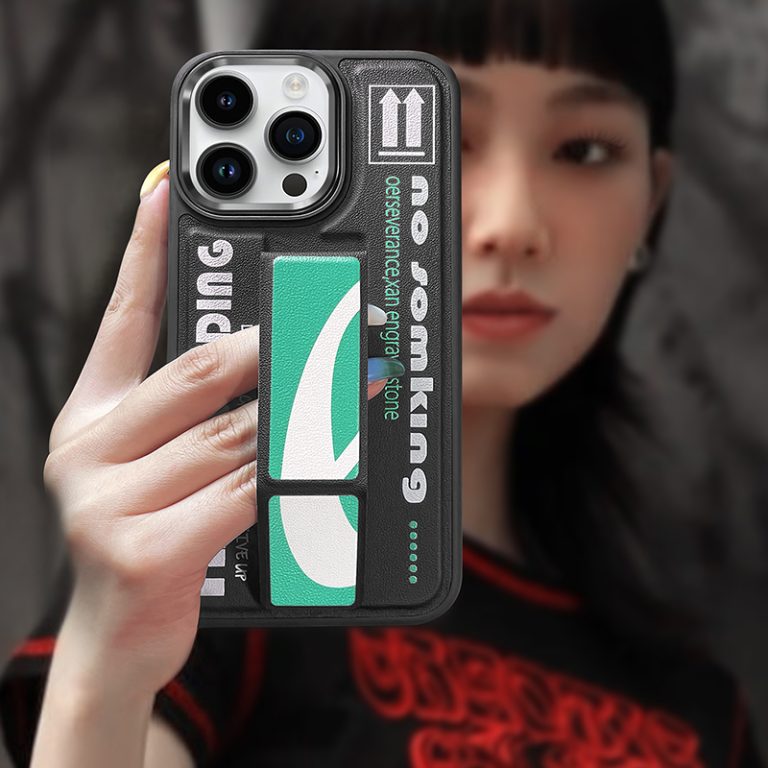
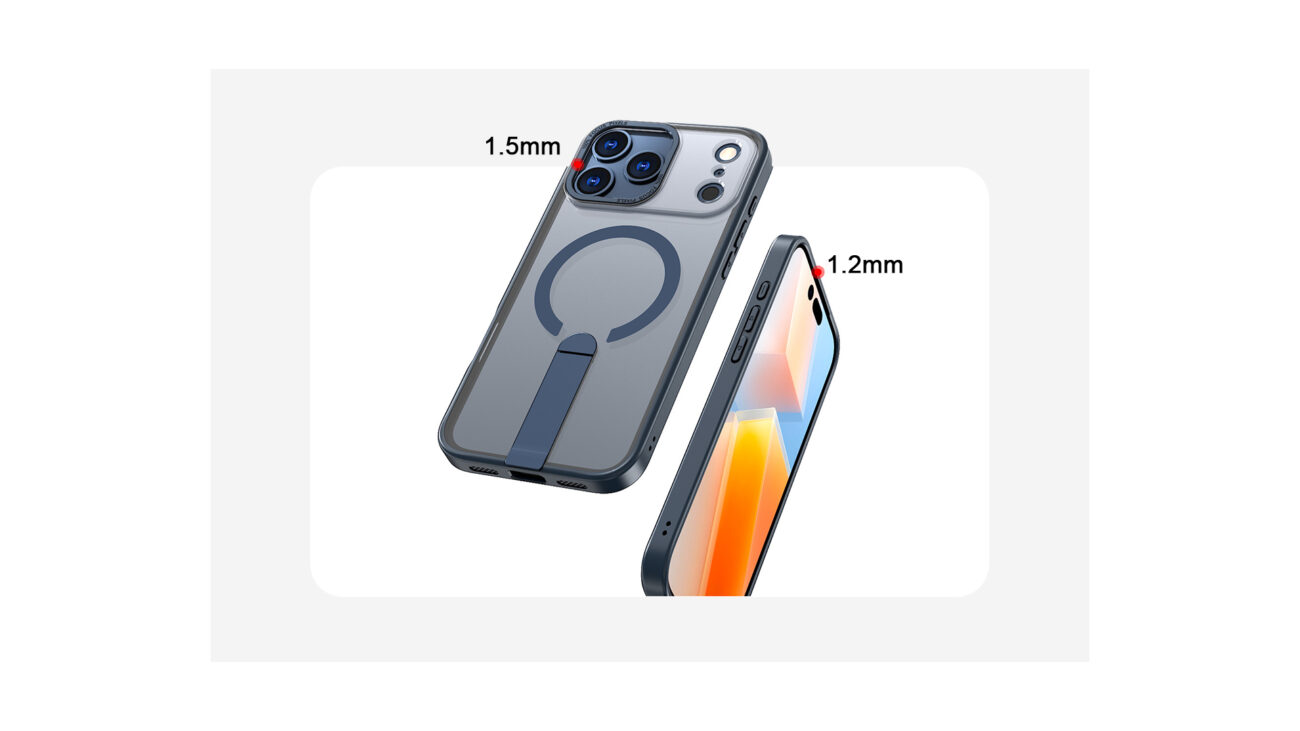
Many modern phone cases include features beyond basic coverage. Magnetic rings, kickstands, card holders, strap holes, camera protection, and camera control openings can help a product line stand out.
These details should be checked before mass production because they affect both structure and user experience. A feature should feel natural, stable, and aligned with the approved sample.
For magnetic cases, placement matters. The magnetic area should align with the intended device and accessory use. The case should also keep a clean surface and comfortable hand feel.
For kickstand cases, the stand should open and close smoothly. It should support the intended angle and feel steady during normal use. The hinge area should match the approved sample in both appearance and movement.
For card holder cases, the pocket should hold cards securely while staying easy to use. Brands should confirm card capacity, pocket tightness, case thickness, and overall comfort.
Other functional checks may include:
- Raised camera rings
- Lens protection structures
- Wrist strap holes
- Independent buttons
- Reinforced corners
- Camera control openings
- Magnetic wallet support
- Grip textures
The best functional detail is one that supports the product’s purpose. A slim case may need a clean magnetic layout. A protective case may need stronger corners and a firmer grip. A wallet case may need a smooth card access area.
During phone case manufacturing quality control, each feature should be compared with the approved sample. The review should focus on practical use, clean assembly, and consistent appearance.

Packaging Review With the Phone Case Factory
Packaging is part of the finished product. It affects retail display, shipping, SKU control, and customer experience.
Before mass production, the brand should review the packaging sample with the phone case factory. This review should include the package structure, logo placement, barcode, model name, color name, insert card, and outer carton label.
A packaging review may include:
- Retail box, pouch, sleeve, or hanging package
- Logo position
- Device model label
- SKU and barcode
- Product name
- Color name
- Insert card or instruction card
- Outer carton label
- Shipping mark
- Quantity per carton
Packaging should match the sales channel. A retail shelf package may need a hanging hole, product window, or strong display look. An e-commerce package may focus more on compact size, product protection, and clear labeling.
Final inspection standards should also be confirmed before larger production begins. The factory should know which product and packaging details matter most to the brand. These may include appearance checks, fit checks, function checks, label checks, and carton checks.
For brands managing several custom phone case styles, a clear inspection standard can support future reorders. Once the standard is set, new colors, models, and seasonal collections can follow the same quality control structure.

Build a Reliable Phone Case Manufacturing QC Plan
A clear QC plan helps brands move from approved sample to mass production with stronger confidence. Golden samples, material standards, fit checks, function reviews, packaging samples, and final inspection notes all support better phone case manufacturing results. Share quality priorities early with the manufacturer. Clear standards help the phone case factory produce consistent orders for retail, wholesale, private label, and custom product lines.
FAQs
Q1. How Often Should Brands Review QC Standards In Phone Case Manufacturing?
Brands should review QC standards whenever they launch a new model, update materials, change packaging, or add a new function. For repeat orders, the approved golden sample and inspection notes can remain the main reference. Regular review keeps the standard clear as the product line grows.
Q2. Who Should Approve The QC Checklist Before Manufacturing Phone Cases?
The checklist should be approved by the brand team responsible for product, packaging, and sales requirements. The phone case factory should also confirm that the checklist matches the approved sample and production setup. This gives both sides the same quality target.
Q3. Can Phone Case Manufacturing QC Support Private Label Orders?
Yes, QC is very useful for private label phone case orders. It helps confirm that the case, logo, color, packaging, model label, and SKU details match the brand’s sales plan. This is especially helpful when one design is produced across several device models.
Q4. What Is The Best Way To Share QC Feedback With A Phone Case Factory?
Clear written feedback works best. Brands can mark sample photos, list exact changes, and separate product notes from packaging notes. Specific comments help the phone case factory adjust the sample and prepare production more smoothly.