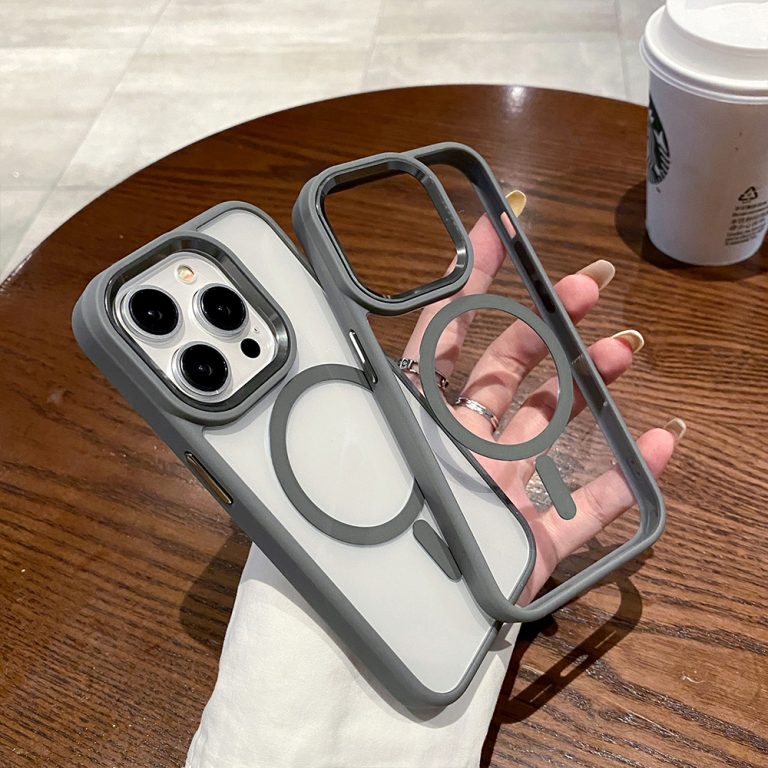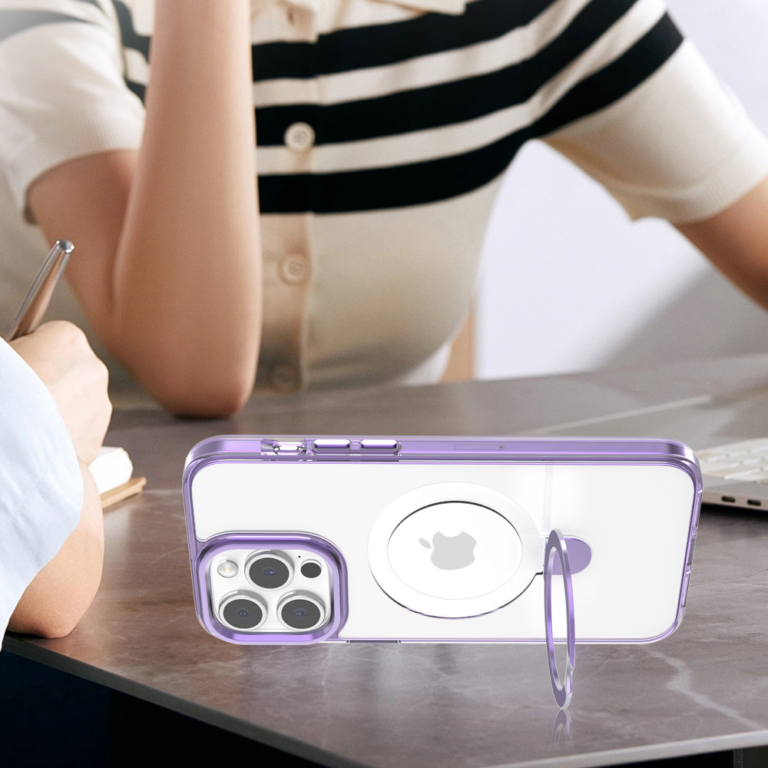

The foldable smartphone market is becoming one of the most important growth opportunities in the mobile accessories industry. For phone case brands, supermarket buyers, distributors, and large-volume retail channels, foldable phone cases are no longer just a niche product. They are becoming a premium category with higher product value, stronger differentiation, and growing consumer demand.
According to Counterpoint Research, global foldable smartphone shipments are projected to grow in 2026, supported by premium device demand, more OEM participation, and the expected entry of new major players. IDC also expects the worldwide foldable smartphone market to grow strongly in 2026. For accessory brands, this means one thing: the supply chain for foldable phone cases needs to be prepared earlier, not later.
However, foldable phone cases are not the same as regular smartphone cases. They require more advanced structural design, tighter tolerance control, better hinge protection, improved material selection, and stronger manufacturing experience. A basic phone case supplier may be able to produce standard TPU or PC cases, but a professional foldable phone case manufacturer needs to understand how folding structures, hinge movement, camera protection, MagSafe compatibility, slim design, and bulk quality control work together.
For B2B buyers, choosing the right foldable phone case manufacturer is not only about price. It is about reducing development risk, improving product quality, supporting faster launches, and building a product line that can compete in retail, wholesale, Amazon, Shopify, and offline distribution channels.
This guide explains the key features brands should consider before working with a foldable phone case OEM supplier in 2026.
Why Brands Are Looking for Foldable Phone Case Manufacturers in 2026
Foldable smartphones are moving from an early-adopter product into a more visible premium device category. Models such as Samsung Galaxy Z Fold, Samsung Galaxy Z Flip, Motorola Razr, Google Pixel Fold, Honor Magic V series, Huawei Mate X series, and other foldable devices have already educated consumers about the value of larger screens, multitasking, compact folding designs, and premium mobile experiences.
For phone case brands and retail buyers, this creates a high-value opportunity. Foldable devices are usually more expensive than traditional smartphones, so users are more likely to buy protective accessories that offer real value. This makes foldable phone cases suitable for higher retail pricing, premium packaging, product bundles, and differentiated brand collections.
For example, Samsung has continued to make foldable devices lighter and thinner. In its official Galaxy Z Fold7 announcement, Samsung highlighted that the device is only 8.9 mm thick when folded and 4.2 mm when unfolded, with a weight of 215 grams. This shows how foldable phone design is moving toward slimmer and lighter structures, which also affects how phone case brands need to design protective cases.
A bulky case may protect the device, but it can also damage the user experience. A slim case may look better, but it may fail if the hinge, camera, and corners are not properly protected. This is why brands need to work with an experienced foldable phone case manufacturer that understands both protection and usability.
For B2B buyers, foldable phone cases can create commercial value in several ways:
| B2B Opportunity | Commercial Value |
|---|---|
| Premium pricing | Foldable phone users are more willing to pay for better protection |
| Product differentiation | Hinge protection, MagSafe, aramid fiber, leather, and kickstand designs create clear selling points |
| Retail display value | Foldable phone cases can be positioned as premium accessories |
| Higher average order value | Cases can be bundled with magnetic wallets, stands, straps, or screen protectors |
| Early market positioning | Brands can prepare for Samsung, Motorola, Google, Honor, Huawei, and future foldable models |
For brands that want to grow beyond basic phone cases, foldable phone cases are a strong category to develop in 2026.
What Makes Foldable Phone Case Manufacturing More Complex?
A regular phone case usually protects the back panel, corners, buttons, camera area, and side frame. A foldable phone case must do all of that while also working with a device that opens, closes, bends, and includes more complex mechanical structures.
This is why foldable phone case manufacturing requires more precision than standard phone case production.
The biggest difference is the hinge. The hinge is the core mechanical part of a foldable smartphone. If the case is too thick around the hinge area, it may affect the opening and closing movement. If the hinge protection is too weak, the device may still be exposed during drops. If the hinge cover is not stable, it may loosen after repeated use.
The second difference is multi-part alignment. Many foldable phone cases use separate front and back frames. These parts must fit the phone precisely and stay attached during daily use. If the tolerance is poor, the case may shift, pop off, or create visible gaps.
The third difference is screen edge protection. Foldable phones may have an outer display, inner display, or both. The case must protect the edge area without blocking touch operation, screen visibility, or folding movement.
The fourth difference is thickness control. Foldable smartphones are already thicker than standard smartphones when closed. A case that adds too much bulk may make the device uncomfortable to carry or use.
This is why brands should not treat foldable phone cases as a simple extension of their regular case line. They require dedicated product development, proper material engineering, and a manufacturer with experience in precision protective cases.
If your brand is developing a new product line, working with an experienced OEM/ODM phone case manufacturer can help reduce development mistakes before mass production begins.
Hinge Protection Design for Foldable Phone Cases
Hinge protection is one of the most important features buyers should evaluate when sourcing foldable phone cases. For many consumers, the hinge is the most sensitive and expensive-looking part of the device. If a case does not protect the hinge properly, customers may question the value of the product.
A good hinge protection design should balance three factors: protection, movement, and stability.
Protection means the case should help reduce direct impact on the hinge area. This can be achieved through reinforced hinge covers, shock-absorbing structures, sliding hinge covers, or integrated protective frames.
Movement means the hinge protection should not interfere with folding and unfolding. The case should allow smooth operation without creating pressure on the device body.
Stability means the hinge protection should remain secure after long-term use. It should not become loose, create noise, scratch the device, or affect the overall feel of the case.
For B2B buyers, hinge protection is also a marketing advantage. Product listings, packaging, retail displays, and sales materials can clearly highlight “hinge protection” as a premium selling point. This is especially useful for Samsung Z Fold cases, Galaxy Z Flip cases, Motorola Razr cases, and Pixel Fold cases.

When evaluating a foldable phone case manufacturer, buyers should ask:
| Buyer Question | Why It Matters |
|---|---|
| Can the hinge protection support repeated opening and closing? | Reduces long-term product complaints |
| Does the hinge cover affect folding movement? | Protects user experience |
| Is the hinge area shock-absorbing? | Improves perceived protection |
| Can the hinge structure stay stable after use? | Reduces return risk |
| Can the hinge design be customized? | Helps brands build differentiation |
For brands and retailers, hinge protection is not only a technical detail. It is one of the core reasons customers choose one foldable phone case over another.
Best Materials for Custom Foldable Phone Cases
Material selection directly affects protection, weight, appearance, grip, cost, and product positioning. A professional foldable phone case manufacturer should be able to recommend materials based on the buyer’s target market, price range, retail channel, and brand style.

Different materials serve different B2B needs.
| Material | Best For | B2B Value |
|---|---|---|
| TPU | Shock absorption, flexible edges, bumper areas | Cost-effective protection |
| PC | Hard back panels, slim structures, transparent designs | Stable shape and clean appearance |
| TPU + PC | Hybrid protection cases | Balanced cost, durability, and design flexibility |
| Aramid Fiber | Premium slim cases | Lightweight, high-end positioning |
| Vegan Leather / PU Leather | Business style and gift channels | Better retail presentation |
| Metal Components | Kickstands, camera rings, buttons, hinge parts | Functional and premium upgrade |
| Clear Anti-Yellowing Materials | Transparent cases | Good for showing original phone color |
TPU is commonly used because it provides flexibility and shock absorption. It is suitable for soft bumper areas and impact zones.
PC is often used for hard panels because it provides better shape stability. Transparent PC is useful for clear foldable phone cases, especially for customers who want to show the original device color.
TPU + PC hybrid structures are practical for B2B buyers because they balance protection, cost, and production stability. For many brands, this is the most scalable material solution.
Aramid fiber is suitable for premium foldable phone cases. It is lightweight, slim, and has a strong high-end texture. This material is especially attractive for DTC brands and premium online accessory sellers.
Leather-style materials are suitable for business users, retail gift channels, and lifestyle brands. They can support custom textures, stitching, colors, and logo placement.
If your brand is still comparing different materials, you can also review this phone case materials guide to understand how material choices affect product value, pricing, and positioning.
MagSafe Foldable Phone Case Manufacturing Considerations

MagSafe-compatible and magnetic phone cases are becoming more important in the mobile accessories market. Even though MagSafe began as part of Apple’s ecosystem, many Android accessory brands now use magnetic ring structures to support magnetic chargers, card holders, car mounts, wallets, and stands.
For foldable phone cases, magnetic design is more complex than regular phone cases. The magnetic ring must be positioned correctly. It should not interfere with the folding structure, hinge area, wireless charging, NFC performance, or the user’s grip.
A foldable phone case manufacturer should be able to support magnetic ring placement, magnetic strength testing, wireless charging checks, accessory compatibility, and hidden magnetic designs.
For B2B buyers, MagSafe-compatible foldable phone cases offer strong commercial value because they can support accessory bundles. A brand can sell the case together with a magnetic stand, magnetic wallet, magnetic car mount, or crossbody strap accessory. This helps increase average order value and creates a more complete product ecosystem.
Important MagSafe manufacturing points include:
| Feature | Buyer Benefit |
|---|---|
| Built-in magnetic ring | Supports magnetic accessories |
| Hidden magnetic design | Cleaner appearance for premium cases |
| Accurate magnetic alignment | Better charging and accessory stability |
| Strong but balanced magnet force | Improves customer experience |
| Compatibility testing | Reduces complaints and returns |
For buyers building a premium case collection, a MagSafe foldable phone case can be positioned as a higher-value product rather than a basic protective cover.
You can also read Runsuncase’s guide on what magnetic phone cases are to better understand how magnetic structures support accessory ecosystems.
Drop Protection Requirements for Foldable Phone Case OEM Projects

Foldable phones are expensive devices, so users expect reliable protection. For brands and retail buyers, drop protection is one of the most important factors affecting customer satisfaction, reviews, and return rates.
A foldable phone case should protect the corners, back panel, hinge area, camera module, and screen edges. However, protection should not come at the cost of usability. A case that is too thick may feel heavy and uncomfortable. A case that is too thin may not provide enough confidence.
The best foldable phone case designs use smart structure instead of unnecessary bulk. This may include reinforced corners, raised bezels, shock-absorbing TPU, hard PC panels, hinge buffers, and raised camera edges.
For OEM projects, buyers should ask the manufacturer about testing and quality control. Does the factory test case fit? Does it check button response? Does it inspect hinge movement? Does it evaluate camera cutout accuracy? Does it perform final inspection before shipment?
Runsuncase explains the general production process in this article about how phone cases are manufactured, including material selection, molding, finishing, and quality control. For foldable phone cases, these steps become even more important because structural tolerance is more demanding.
Camera Protection and Raised Edge Design
Camera protection is another important feature for foldable phone cases. Many foldable smartphones have large camera modules, and the camera area is often one of the first parts customers check when evaluating a case.
A good camera protection design should include accurate cutouts, raised camera lips, scratch protection, and a clean appearance. Some premium cases use metal camera rings to improve durability and create a stronger visual highlight. Other cases use integrated PC camera protection for a lighter and more minimal look.
For B2B buyers, camera protection also has strong marketing value. It can be clearly shown in product photos, packaging graphics, Amazon listings, Shopify product pages, and retail display cards.
Buyers should evaluate:
| Camera Design Point | Why It Matters |
|---|---|
| Raised camera lip | Reduces lens contact with surfaces |
| Accurate cutouts | Improves fit and appearance |
| Metal camera ring | Adds premium value |
| Integrated PC frame | Keeps the case lightweight |
| Anti-scratch finish | Improves long-term product appeal |
For large retail buyers and distributors, camera protection details can help reduce customer complaints and improve perceived value.
Private Label Foldable Phone Case Manufacturing
For phone case brands, the case itself is only one part of the business. Branding, packaging, retail presentation, and product storytelling are also important. A reliable foldable phone case manufacturer should support private label services, custom packaging, logo placement, color customization, and product line development.
Private label customization may include:
| Custom Option | Application |
|---|---|
| Logo printing | Brand identity on the case |
| Embossed or debossed logo | Premium leather-style products |
| Metal logo plate | High-end case collections |
| Custom color matching | Seasonal or brand-specific colors |
| Retail packaging | Supermarkets, chain stores, and distributors |
| Barcode and label support | Retail inventory management |
| Instruction cards | Better customer experience |
| Custom surface texture | Product differentiation |
For supermarket buyers, packaging must be retail-ready. It should communicate the device model, key features, compatibility, protection level, and brand value quickly.
For DTC brands, packaging should support a better unboxing experience and social media presentation.
For distributors and wholesalers, packaging should balance cost, durability, and channel requirements.
A manufacturer with OEM/ODM experience can help buyers develop private label foldable phone cases based on their target market and price level. Runsuncase provides custom phone case manufacturing and OEM/ODM support for brands, retailers, and wholesale buyers.
What Different B2B Buyers Need from a Foldable Phone Case Manufacturer
Different buyers have different priorities. A good foldable phone case manufacturer should understand the needs of each business type instead of offering the same solution to every customer.
For Phone Case Brands
Phone case brands usually care about design differentiation, product quality, custom branding, launch speed, and long-term supply stability. They may need exclusive colors, private label packaging, unique materials, MagSafe structures, hinge protection designs, or premium finishes.
For these buyers, the manufacturer should support product development, sampling, design adjustment, and scalable bulk production.
For Supermarket and Retail Chain Buyers
Supermarket buyers care about product stability, packaging clarity, pricing, compliance, and low return rates. They need products that are easy to display and easy for customers to understand.
Foldable phone cases for retail channels should have clear packaging, strong model compatibility information, visible feature highlights, and stable production quality.
For Wholesalers and Distributors
Wholesalers usually care about MOQ, delivery time, product variety, price tiers, and multiple model coverage. They may need Samsung Z Fold cases, Galaxy Z Flip cases, Motorola Razr cases, Pixel Fold cases, and other foldable models in one sourcing plan.
For these buyers, the manufacturer should provide flexible product options and stable supply.
For DTC and Shopify Brands
DTC brands care about product storytelling, premium design, product photography, packaging, and differentiation. They often prefer aramid fiber, leather texture, MagSafe compatibility, clear anti-yellowing cases, or slim hinge protection designs.
For DTC buyers, the case must not only protect the device. It must also look good in product images, ads, social content, and customer reviews.
Foldable Phone Case Feature Checklist for Buyers
Before placing an order, buyers should evaluate whether the product covers the key features that customers expect.
| Feature | Why It Matters for B2B Buyers |
|---|---|
| Hinge protection | Core feature for foldable phones |
| Slim structure | Improves daily usability |
| Drop protection | Reduces complaints and returns |
| Raised camera protection | Protects expensive camera modules |
| MagSafe compatibility | Supports accessory bundles |
| Anti-yellowing clear material | Good for transparent case collections |
| Kickstand function | Useful for video, work, and entertainment |
| Private label packaging | Supports retail and brand identity |
| Multi-model support | Helps wholesalers and distributors scale |
| QC inspection | Protects bulk order consistency |
This checklist can also be used by purchasing teams when comparing different suppliers.
How Runsuncase Supports Custom Foldable Phone Case Projects
Runsuncase is a B2B-focused phone case manufacturer that supports OEM/ODM customization, material selection, product development, private label packaging, and bulk production for brands, retailers, wholesalers, and distributors.
For custom foldable phone case projects, Runsuncase can support buyers in several areas:
| Runsuncase Capability | B2B Value |
|---|---|
| OEM/ODM development | Helps brands create custom product lines |
| Material selection | Supports TPU, PC, hybrid structures, leather-style finishes, and premium materials |
| Structural design support | Helps improve fit, protection, and usability |
| Magnetic case development | Supports MagSafe-compatible product strategies |
| Private label customization | Helps brands build their own identity |
| Retail packaging support | Suitable for supermarkets, distributors, and brand channels |
| Bulk production | Supports scalable B2B orders |
| Quality control | Improves consistency across batches |
For buyers developing Samsung foldable case lines, Runsuncase also provides custom Samsung phone case solutions, including custom design, logo, material, and packaging options.
A strong foldable phone case project should not begin with price alone. It should begin with product positioning, target channel, material selection, structural requirements, packaging needs, and expected order volume.
If your team is planning a new foldable phone case collection, you can request a quote from Runsuncase and discuss your OEM/ODM requirements.
How to Choose a Reliable Foldable Phone Case Manufacturer

Choosing a reliable foldable phone case manufacturer requires more than comparing unit prices. The lowest-cost supplier may not be the best long-term partner if the product has poor fit, weak hinge protection, unstable packaging, or inconsistent quality.
Before choosing a supplier, buyers should evaluate the following points:
| Evaluation Point | What to Check |
|---|---|
| Foldable case experience | Has the supplier developed cases for foldable phones? |
| Hinge protection capability | Can the supplier design stable hinge protection? |
| Material options | Can the supplier support different price tiers? |
| MagSafe development | Can the supplier support magnetic structures? |
| Sampling process | Is the sample process clear and efficient? |
| Bulk quality control | Can the factory maintain consistency across large orders? |
| Packaging support | Can the supplier support retail-ready packaging? |
| Communication ability | Can the team respond quickly to project changes? |
| Model coverage | Can the factory support Samsung, Motorola, Google, Honor, Huawei, and future foldable models? |
A professional manufacturer should be able to help you identify potential product risks before mass production. This is especially important for foldable phone cases because small errors in hinge structure, frame fit, magnetic position, or camera cutout can affect the entire user experience.
Common Foldable Phone Case Product Directions for 2026
Brands can build different foldable phone case lines based on target customers and sales channels.
Slim Aramid Fiber Foldable Cases
These are suitable for premium users who want lightweight protection and a minimal look. They are ideal for DTC brands and higher-end online accessory sellers.
Clear Anti-Yellowing Foldable Cases
These are suitable for users who want to show the original device color. They work well for retail channels and online marketplaces.
Hinge Protection Rugged Cases
These are suitable for customers who prioritize durability and drop protection. They can be positioned for outdoor users, business travelers, and heavy daily use.
MagSafe Foldable Phone Cases
These are suitable for brands building an accessory ecosystem. They can be bundled with magnetic wallets, stands, mounts, and charging accessories.
Leather-Style Foldable Cases
These are suitable for business users, gifting channels, and premium lifestyle brands.
Kickstand Foldable Cases
These are suitable for users who watch videos, attend online meetings, read documents, or use foldable phones for productivity.
Each product direction has a different price point, customer group, and retail strategy. This is why working with a flexible OEM/ODM manufacturer is important.
FAQ: Foldable Phone Case Manufacturer
What is a foldable phone case manufacturer?
A foldable phone case manufacturer is a supplier that develops and produces protective cases for foldable smartphones. These cases may include hinge protection, MagSafe compatibility, slim structures, rugged protection, custom branding, and private label packaging.
What features should buyers consider for foldable phone cases?
Buyers should consider hinge protection, drop protection, slim structure, camera protection, MagSafe compatibility, material selection, packaging, and bulk production quality.
Can foldable phone cases support MagSafe?
Yes. Many foldable phone cases can be designed with built-in magnetic rings or MagSafe-compatible structures. However, the magnetic position, charging performance, and accessory compatibility must be tested carefully.
What materials are commonly used for foldable phone cases?
Common materials include TPU, PC, TPU + PC hybrid structures, aramid fiber, vegan leather, PU leather, and metal components for camera rings, kickstands, buttons, or hinge protection parts.
Can brands customize foldable phone cases?
Yes. Brands can customize logos, colors, surface textures, materials, hinge protection structures, MagSafe designs, packaging, and retail-ready presentation depending on project requirements and MOQ.
How do I choose a reliable foldable phone case manufacturer?
Look for a manufacturer with OEM/ODM experience, hinge protection development capability, material options, quality control, private label packaging support, sampling support, and stable bulk production.
Are foldable phone cases suitable for wholesale and retail channels?
Yes. Foldable phone cases are suitable for wholesale, retail chains, supermarkets, distributors, Amazon sellers, Shopify brands, and premium accessory brands because they offer higher product value and stronger differentiation than many standard phone cases.
Conclusion
Foldable phone cases are becoming a valuable product category for brands, retailers, wholesalers, and distributors in 2026. As foldable smartphones become lighter, thinner, and more widely adopted, consumers will expect cases that provide protection without sacrificing usability.
For B2B buyers, the most important features to evaluate include hinge protection, slim structure, drop protection, MagSafe compatibility, camera protection, material selection, private label packaging, and bulk quality control.
Choosing the right foldable phone case manufacturer can help your brand reduce development risks, improve product quality, launch faster, and build a stronger product line for premium mobile users.
If you are looking for custom foldable phone cases, OEM foldable phone case production, private label packaging, or bulk manufacturing support, Runsuncase can help develop a solution for your brand, retail channel, or wholesale business.
Contact Runsuncase today to discuss your next foldable phone case project and request a custom OEM/ODM manufacturing solution.