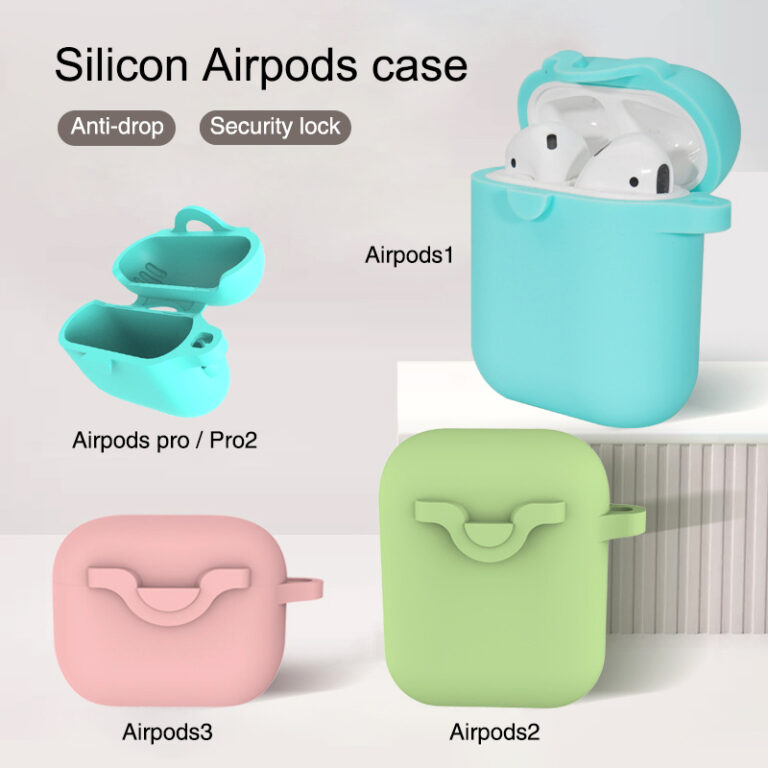
For B2B phone case buyers, accessory brands, distributors, and retail buyers, every new iPhone generation creates both opportunity and risk. A new iPhone launch can drive strong demand for protective cases, MagSafe phone cases, private label phone cases, and retail-ready accessory bundles. However, even a small change in body thickness, camera height, button position, or MagSafe alignment can affect mold accuracy, product fit, wireless charging performance, and customer satisfaction.
For brands preparing an iPhone 18 Pro case lineup, early product planning is not only about following Apple’s design direction. It is also about preparing phone case mold development, material selection, sample development, custom phone case packaging, and mass production timelines before market demand peaks.
Working with an experienced OEM/ODM phone case manufacturer can help brands shorten sample development, improve mold accuracy, and prepare retail-ready packaging before the market becomes highly competitive.
As of now, the iPhone 18 Pro has not been officially released. Current information is based on rumors, dummy models, CAD references, supply chain reports, and industry analysis. According to recent iPhone 18 Pro rumors, Apple may bring changes such as a smaller Dynamic Island, simplified Camera Control button, new Pro colors, and a redesigned rear Ceramic Shield area. Because final specifications are not confirmed, brands should use early information for planning, but wait for more accurate data before final mold approval.
1. Overall Design May Stay Familiar, But Details Still Matter
Early reports suggest that the iPhone 18 Pro may keep a similar overall design direction to the previous Pro generation. MacRumors’ iPhone 18 Pro roundup notes that the Pro models are expected to retain a triple-lens camera system and a large rear camera plateau.
For case brands, this does not mean existing iPhone 17 Pro case molds can be reused directly. In phone case manufacturing, a visually similar device can still require a new mold. Small dimensional differences may affect button alignment, camera lip height, MagSafe coil position, edge grip, speaker holes, USB-C port clearance, and drop-test performance.
This is especially important for an iPhone 18 Pro case manufacturer or OEM phone case manufacturer preparing early samples. A case that looks acceptable in product photos may still fail in actual use if the camera area is too low, the button cover feels stiff, or the MagSafe ring is slightly misaligned.
This is why understanding the full phone case manufacturing process is important for B2B buyers, especially when a new iPhone model may require updated molds, fit testing, and pre-production samples.
For B2B phone case buyers, the key takeaway is simple: similar design does not guarantee compatible fit. Early development should begin with dummy model testing, but final approval should depend on updated CAD confirmation and real-device fit testing.
2. Camera Plateau Changes Could Be the Biggest Case Design Challenge
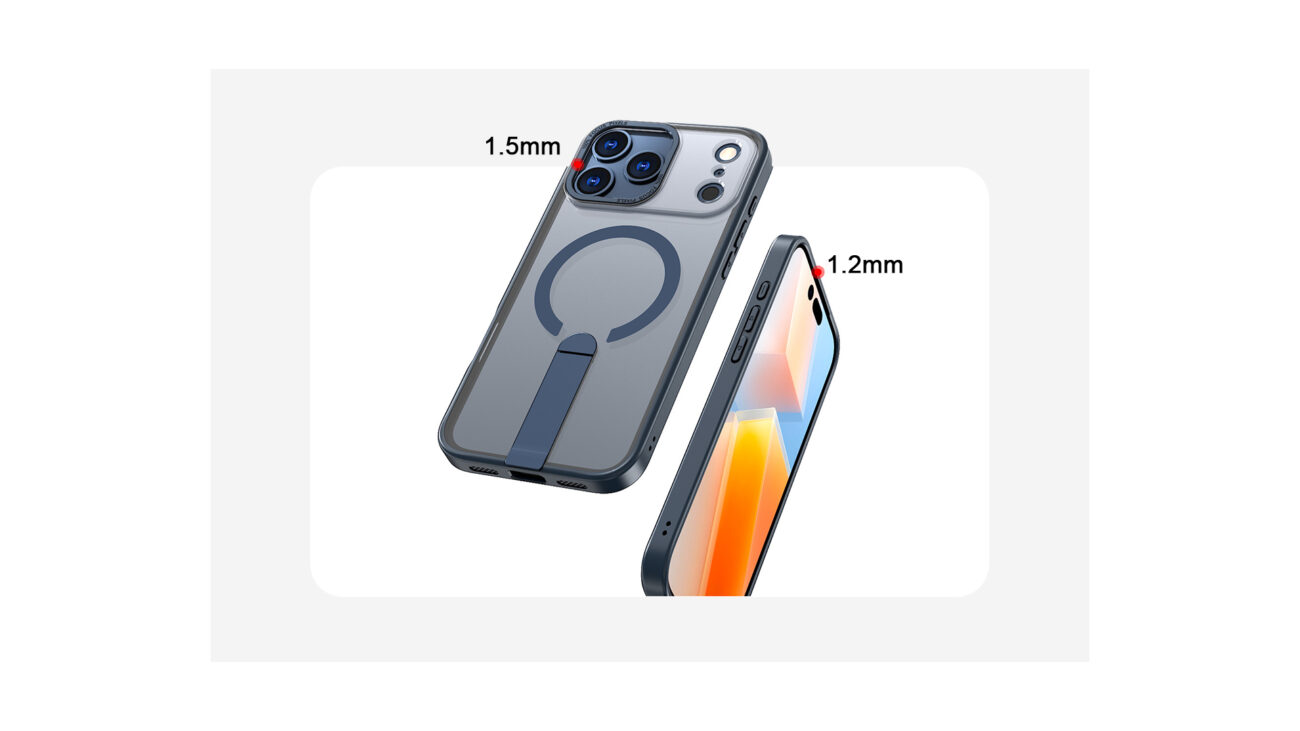
The rear camera area is likely to remain one of the highest-risk development points for any iPhone 18 Pro case project. Some dummy model reports suggest a thicker camera plateau and more protruding lenses on the iPhone 18 Pro Max, although final measurements remain unconfirmed.
For an OEM phone case manufacturer, the camera plateau is usually one of the first areas to verify during mold development. It affects raised camera bezels, lens protector compatibility, drop protection, rear balance, table wobble, and the visual quality of the case.
Case brands should pay close attention to:
- Camera lip height
- Lens ring tolerance
- Camera opening shape
- Flash and sensor clearance
- Anti-scratch protection
- Table wobble control
- Compatibility with camera lens protectors
- Shock-absorbing camera corner design
Camera protection is not only a technical issue. It directly affects retail reviews, return rates, and customer trust. For brands selling iPhone 18 Pro cases through retail stores, distributors, or e-commerce channels, the camera structure should be treated as a core product quality checkpoint.
For premium iPhone 18 Pro cases, brands may consider independent metal camera rings, integrated lens protector options, or a cleaner raised bezel structure. For rugged protective cases, reinforced camera corners and thicker rear protection may be necessary. For slim matte cases, the challenge is to maintain protection without making the back look bulky.
3. Possible Camera Upgrades May Influence Protective Structure
Several recent reports point to potential camera upgrades for the iPhone 18 Pro models. The iPhone 18 Pro roundup has mentioned rumored features such as a variable aperture main camera and other camera system updates.
For phone case brands, the key issue is not the camera technology itself. The key issue is whether these upgrades affect module height, camera opening size, lens protrusion, or the space needed around the camera system.
Brands should avoid reusing old camera mold designs too early. If the rear camera structure changes, an old mold may create several problems:
- Lens shadowing
- Poor fit around camera openings
- Weak protection around protruding lenses
- Flash reflection issues
- Incompatibility with lens protectors
- Higher retail complaints
- Increased after-sales risk
For iPhone case suppliers and distributors, the safer approach is to develop early samples but keep the camera structure flexible until more accurate specifications are available. This gives brands time to prepare product photography, packaging, and wholesale catalogs without locking the mold too early.
4. Device Thickness and Weight May Affect Case Comfort
Some reports suggest that the iPhone 18 Pro or iPhone 18 Pro Max could see small changes in thickness, battery size, or internal structure, though exact final measurements remain uncertain. For case development, even a small change in thickness can affect comfort and protection. A heavier flagship phone requires better edge ergonomics, improved grip texture, and a smarter balance between protection and slimness.
Different materials create different product positioning:
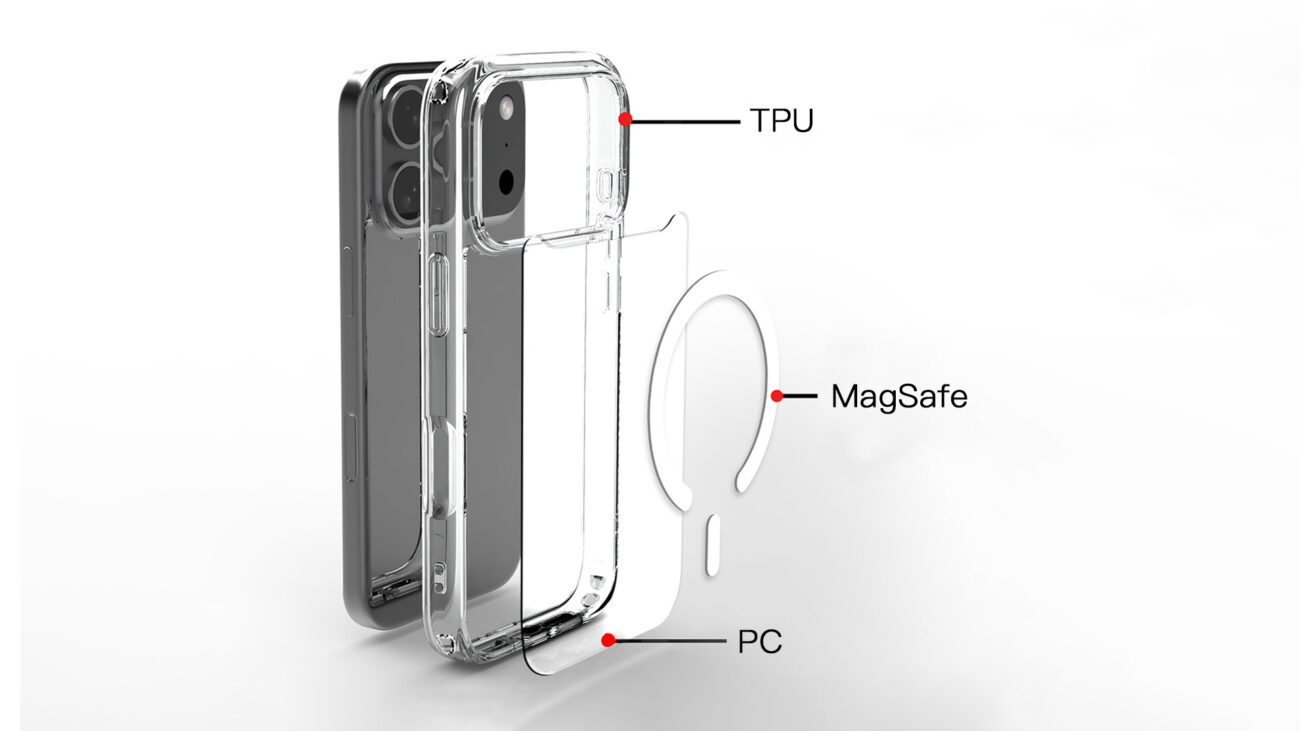
- TPU provides flexibility and shock absorption.
- PC supports a hard back structure and better shape stability.
- Silicone offers a soft-touch grip.
- TPU + PC hybrid phone cases balance flexibility and structure.
- Aramid fiber cases support a lightweight premium appearance.
- Vegan leather or textured materials can create a higher-end retail look.
Brands should also compare different phone case manufacturing processes, including injection molding, overmolding, CNC machining, material engineering, coating, and surface finishing, before deciding the final product positioning.
For slim iPhone 18 Pro cases, brands should avoid making the case too thin at the expense of camera or corner protection. For rugged cases, brands should avoid adding so much material that the phone feels too bulky. Rounded edges, matte grip textures, lightweight protective structures, and raised bezels can help create a better user experience.
For B2B buyers, this is where supplier experience matters. A reliable phone case factory should understand how to balance mold accuracy, material thickness, hand feel, and drop protection.
5. Camera Control Button Changes May Affect Cutout and Button Design
The Camera Control button is another area that iPhone 18 Pro case brands should monitor. Reports suggest that Apple may simplify the Camera Control button by removing touch sensitivity and haptic feedback while keeping pressure sensitivity. However, final details remain unconfirmed.
For case manufacturers, button structure is one of the most sensitive user experience details. A button may look correctly positioned, but if the pressing experience feels stiff, delayed, or inaccurate, customers may quickly notice the issue.
Brands usually have two design options: an open cutout or a covered button design.
An open cutout gives users direct access to the original button. It may reduce the risk of poor tactile feedback, but it can also expose the area to dust and make the case look less premium.
A covered button design creates better visual consistency and protection, but it requires precise engineering. The button cover must be aligned correctly, flexible enough to press, and durable enough for long-term use.
For bulk phone case orders, B2B buyers should test button performance during the sampling stage instead of waiting until mass production. This is especially important for private label phone cases, where the brand’s reputation depends on consistent user experience across every unit.
6. Rear Ceramic Shield and MagSafe Area May Create Aesthetic Opportunities
The rear design of the iPhone 18 Pro may also affect clear cases, frosted cases, translucent cases, and MagSafe phone cases. Reports suggest that the iPhone 18 Pro models may feature a more seamless rear Ceramic Shield and MagSafe-related design, though the exact final appearance is not yet confirmed.
For MagSafe case development, brands should also review Apple’s Accessory Design Guidelines to better understand design requirements for Apple-compatible accessories.
For clear MagSafe phone cases, brands should confirm anti-yellowing TPU or PC material, strong magnet performance, wireless charging compatibility, and the visual position of the MagSafe ring before approving mass production.
This area creates several product opportunities:
- Clear MagSafe cases that show the original iPhone color
- Frosted translucent cases for a softer premium look
- Color-matching magnetic cases
- Minimalist transparent TPU + PC cases
- Matte back cases for business users
- Premium MagSafe cases with metal camera rings
- Anti-yellowing transparent cases for retail channels
For brands developing MagSafe-compatible products, the case should not only charge properly, but also look clean in product photography. If the MagSafe ring looks poorly positioned or too visually heavy, the case may feel less premium even if the technical performance is acceptable.
7. Smaller Dynamic Island May Influence Screen Protector Bundles
The Dynamic Island does not directly change the rear phone case mold, but it can affect accessory bundles. Reports from 9to5Mac suggest that the iPhone 18 Pro may feature a smaller Dynamic Island, with some Face ID components potentially moving under the display.
For B2B accessory buyers, this creates a chance to prepare complete protection kits instead of selling only a standalone case. A new front display structure may increase demand for updated screen protector dimensions.
Brands can consider bundles such as:
- iPhone 18 Pro case + tempered glass screen protector
- iPhone 18 Pro case + privacy screen protector
- Case + camera lens protector
- Case + MagSafe accessory
- Retail-ready protection kit
For wholesale phone case buyers, bundles can improve perceived value and help retailers simplify purchasing. Instead of sourcing a case, screen protector, lens protector, and packaging separately, buyers can order a complete retail-ready phone case solution.
8. Color Changes Create New Merchandising Opportunities
Color strategy is important for iPhone 18 Pro case planning. Rumored iPhone 18 Pro colors include options such as Dark Cherry, Light Blue, Dark Gray, and Silver, according to recent iPhone 18 Pro color rumors.
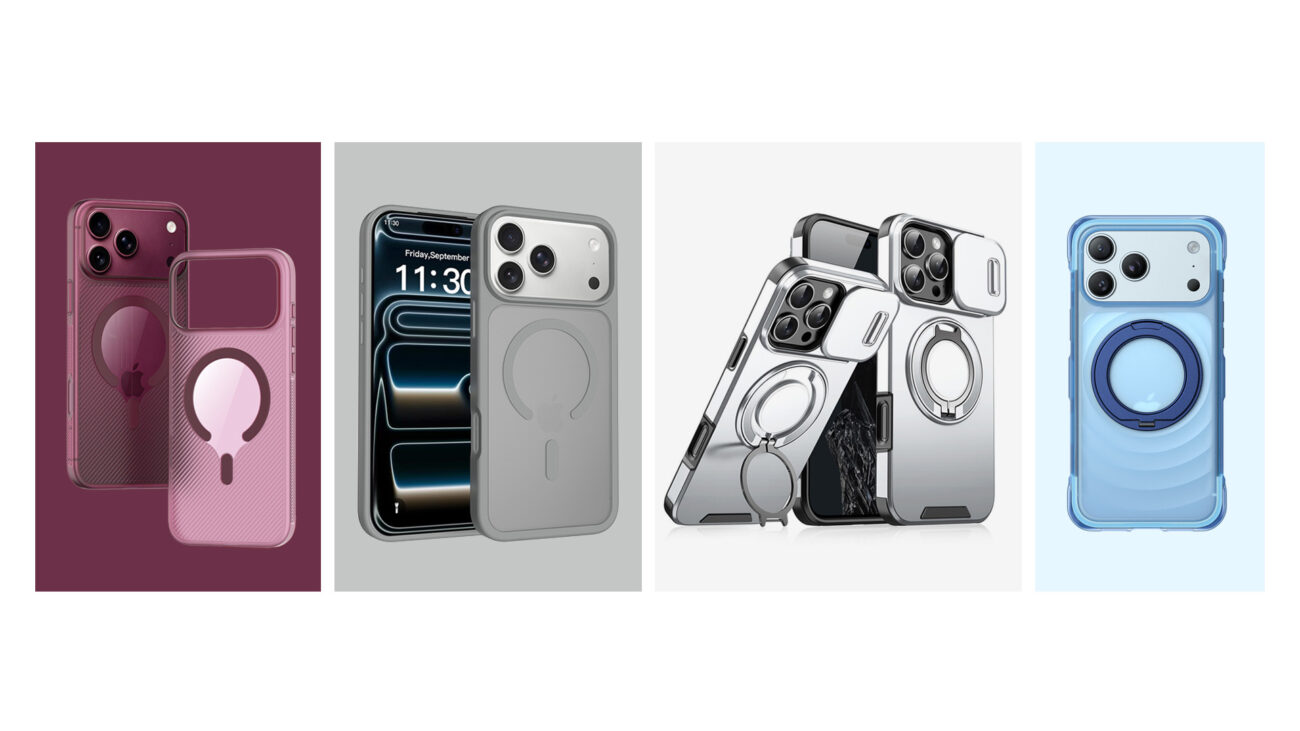
For phone case brands, new device colors can directly influence collection planning. Clear cases become more important when users want to show the original iPhone color. Frosted cases can soften the phone’s color while still allowing part of it to show through. Dark red or cherry-tone cases can support fashion positioning. Metallic camera rings can create a premium visual effect.
Recommended color strategy for iPhone 18 Pro cases:
- Clear MagSafe case for original color visibility
- Frosted black or gray case for business users
- Dark cherry or wine-tone case for fashion buyers
- Light blue or neutral cases for lifestyle collections
- Metallic camera rings for premium positioning
- Seasonal colors for retail buyers
For distributors and retail buyers, color planning is not only a design decision. It affects SKU planning, inventory risk, product photography, packaging design, and launch merchandising.
9. What B2B Phone Case Buyers Should Confirm Before Mass Production
Before mass production, brands should confirm all key technical checkpoints. Early dummy models and CAD files are helpful, but they cannot replace final fit testing.
Important checkpoints include:
- Final device dimensions
- Camera plateau height
- Lens protrusion
- Button position
- Speaker and microphone openings
- USB-C port clearance
- MagSafe coil position
- Wireless charging compatibility
- Magnet strength
- Drop-test structure
- Packaging label accuracy
- Barcode and retail packaging requirements
Before placing bulk orders, brands should evaluate whether they are working with a reliable phone case manufacturer that can support CAD updates, sample testing, mold modification, and quality control.
For bulk phone case orders, B2B buyers should always approve a pre-production sample before mass production. This sample should confirm fit accuracy, camera protection, MagSafe performance, button feel, packaging labels, and final quality control standards.
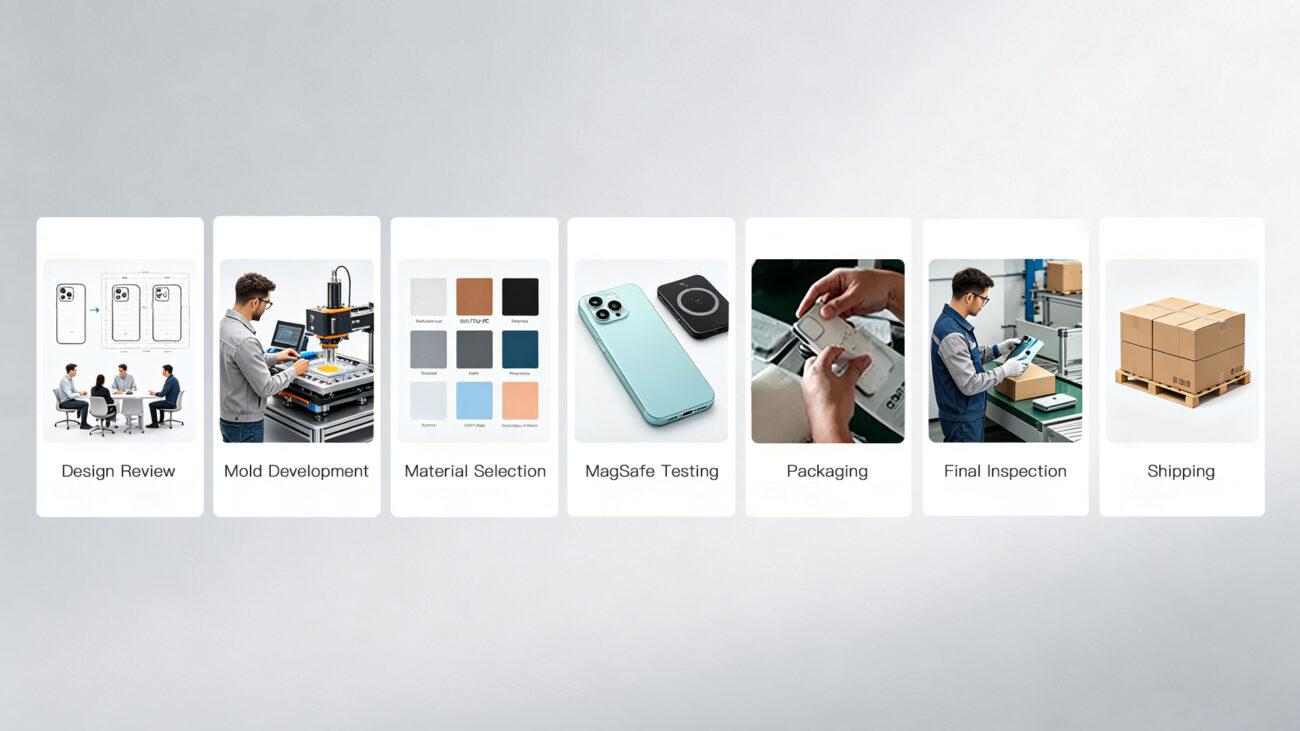
A practical development timeline may include:
- Early dummy-based sampling
- CAD confirmation
- First mold trial
- Fit test with updated device data
- Pre-production sample
- Mass production approval
- Final inspection before shipment
This process helps reduce launch risk, especially for brands selling through retail stores, Amazon, distributors, or private label channels.
10. Best iPhone 18 Pro Case Types for Brands to Prepare
Different brands should prepare different product lines depending on their customers, price positioning, and sales channel.
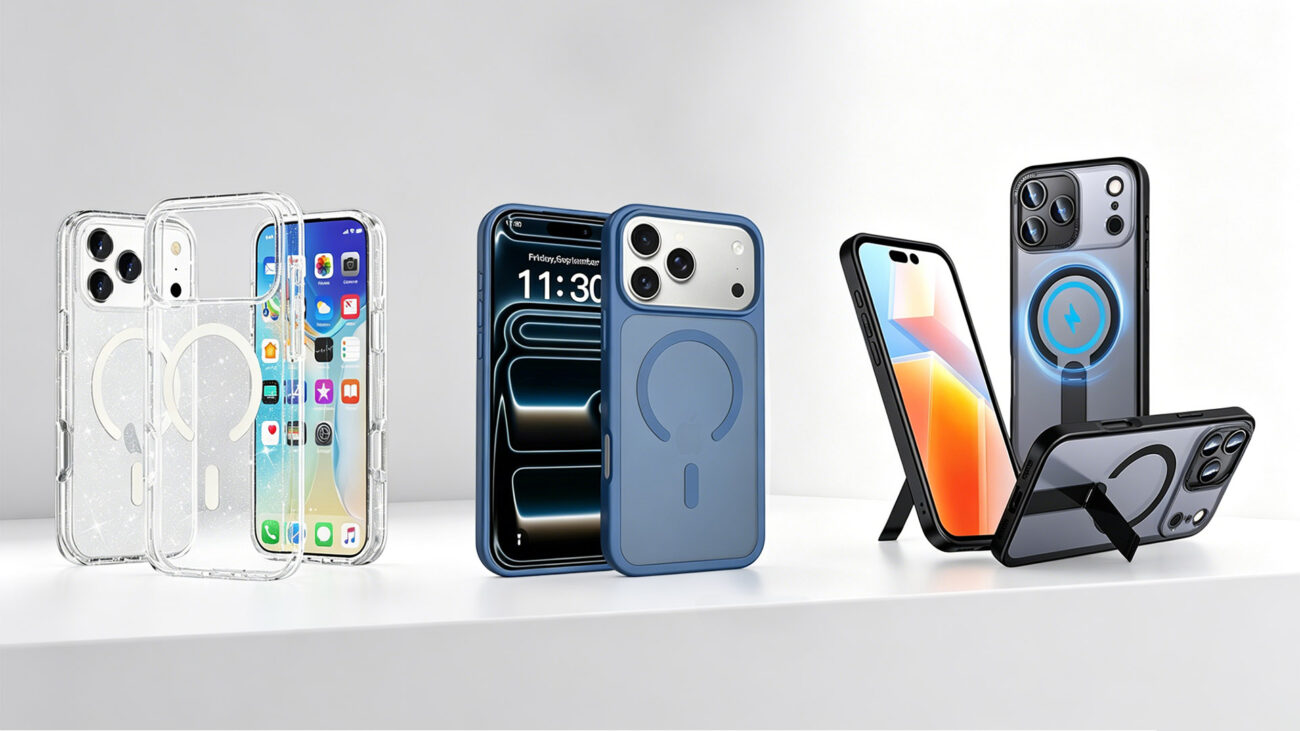
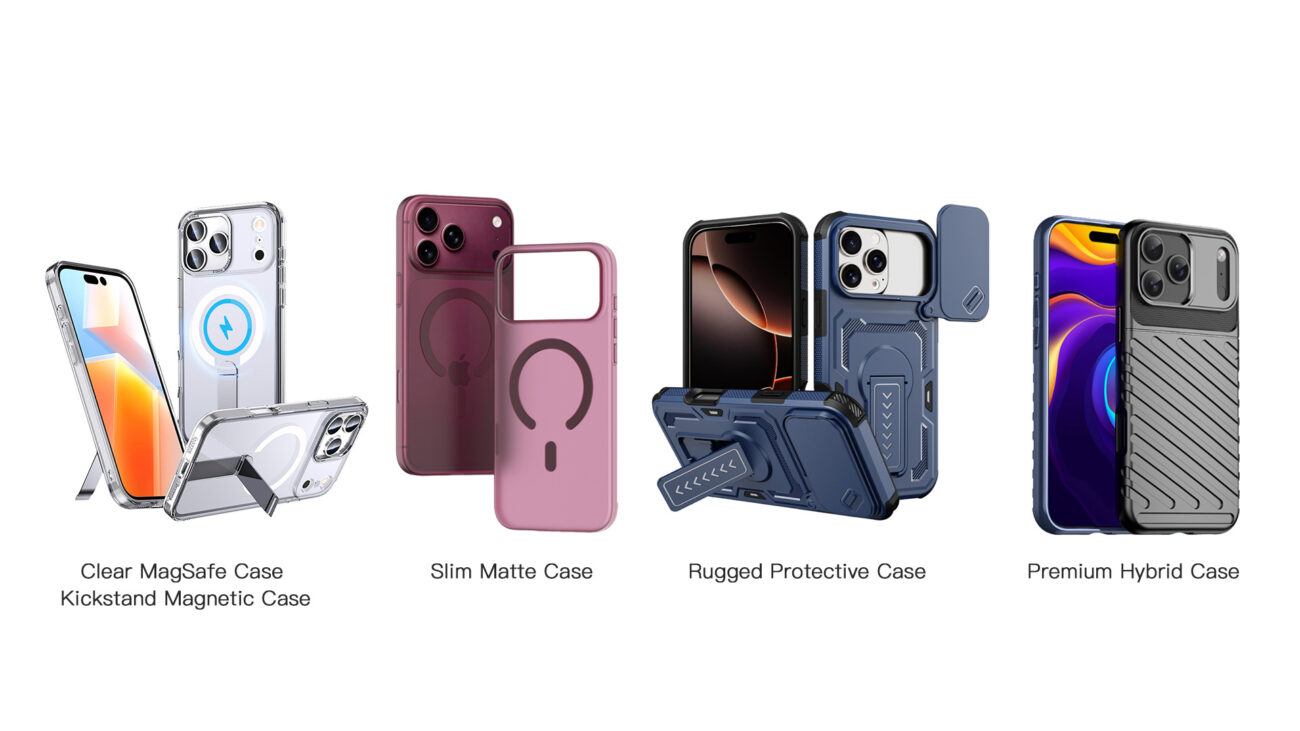
Clear MagSafe Case
A clear MagSafe case is suitable for users who want to show the original iPhone color. Key requirements include anti-yellowing TPU or PC, strong magnets, accurate camera lip height, and reliable wireless charging compatibility.
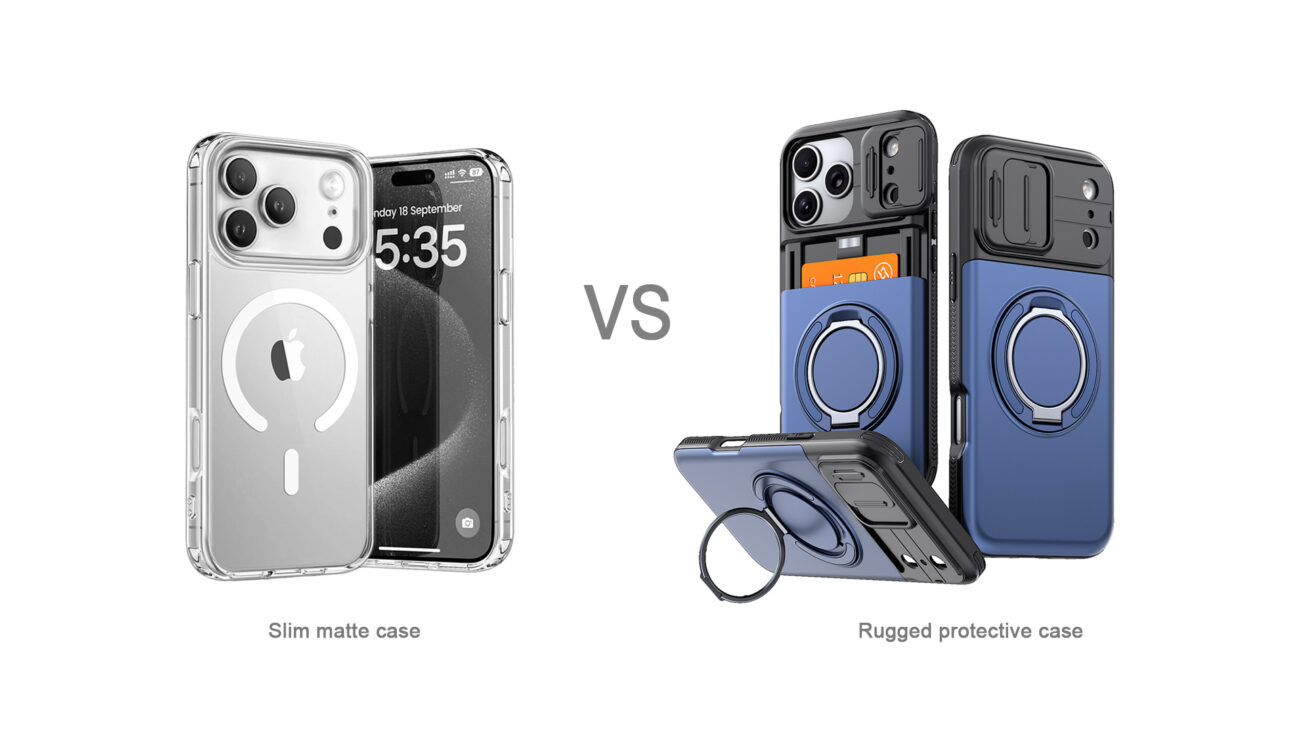
Slim Matte Case
A slim matte case works well for business users and minimalist buyers. It should focus on scratch resistance, soft-touch coating, accurate button feel, and a clean back design.
Rugged Protective Case
A rugged protective case is suitable for outdoor users, retail buyers, and Amazon-style product lines. Important requirements include reinforced corners, raised camera and screen bezels, impact-resistant materials, and drop-test capability.
Kickstand Magnetic Case
A kickstand magnetic case is suitable for video calls, travel, office use, and hands-free viewing. Brands should focus on stable hinge performance, strong magnet force, slim structure, and long-term durability.
Premium Hybrid Case
A premium hybrid case can support higher retail pricing. Materials may include TPU + PC, aluminum camera rings, aramid texture, vegan leather, frosted back panels, or metal decorative details.
These product lines can be developed as wholesale phone cases or private label phone cases for distributors, retail buyers, and established e-commerce brands.
The best product strategy is not to prepare only one case type. Brands should build a balanced iPhone 18 Pro case collection that includes clear MagSafe cases, slim matte cases, rugged cases, kickstand cases, and premium hybrid options for different retail channels.
11. OEM/ODM Manufacturing Recommendations for iPhone 18 Pro Case Brands
For B2B buyers, supplier capability is just as important as product design. A reliable iPhone 18 Pro case supplier should be able to support CAD updates, fast sample development, phone case mold development, mold modification, MagSafe testing, drop-test validation, custom packaging, and scalable production for wholesale or retail channels.
A professional OEM/ODM phone case manufacturer should not only produce accurate cases, but also support fast prototyping, material selection, custom packaging, MagSafe testing, and scalable mass production.
Before choosing an OEM/ODM phone case manufacturer, brands should ask about:
- CAD update speed
- Sample lead time
- Mold modification process
- Material options
- Anti-yellowing testing
- Magnet strength testing
- Wireless charging testing
- Drop-test capability
- Packaging customization
- Logo customization
- Production capacity
- Final inspection process
Early development helps brands reduce launch risk. It gives product teams more time to prepare packaging, product photography, retail listings, wholesale catalogs, and sales materials before demand increases.
For iPhone case suppliers, the best value is not only making a case that fits. The real value is helping brands move from early concept to retail-ready production with fewer delays, fewer fit complaints, and stronger product consistency.
Conclusion: iPhone 18 Pro Case Brands Should Prepare Early, But Stay Flexible
The iPhone 18 Pro may not bring a complete redesign, but small structural changes can still affect case accuracy, product comfort, MagSafe performance, and customer satisfaction. Based on current rumors, brands should monitor the camera plateau, possible camera upgrades, Camera Control button, rear MagSafe area, device thickness, Dynamic Island changes, and color options.
For phone case brands, distributors, and B2B phone case buyers, the best strategy is to prepare early but stay flexible. Early dummy-based development can help brands shorten sampling time, but final mold confirmation should wait for more reliable device data.
For supermarkets, distributors, and retail chains, choosing the right phone case supplier for retail channels can help reduce launch risk and improve product consistency across multiple SKUs.
Looking to prepare your iPhone 18 Pro case collection before launch? Work with an OEM/ODM phone case manufacturer that can support fast sampling, mold adjustment, MagSafe testing, custom phone case packaging, drop-test validation, and retail-ready production.
FAQ
Will iPhone 17 Pro cases fit the iPhone 18 Pro?
It is not recommended to assume compatibility. Even if the overall design looks similar, small changes in camera height, button position, body thickness, or MagSafe alignment may affect fit.
What is the biggest design risk for iPhone 18 Pro case brands?
The rear camera plateau and lens protrusion are likely the most important areas to monitor because they affect camera lens protection, case appearance, table wobble, and lens protector compatibility.
Should brands prepare iPhone 18 Pro case molds before Apple’s official launch?
Brands can begin early development using dummy units, CAD references, and supplier feedback. However, final mold confirmation should wait for more accurate device data and real-device testing.
What iPhone 18 Pro case styles may sell well?
Clear MagSafe cases, slim matte cases, rugged protective cases, kickstand magnetic cases, and premium hybrid cases are strong options for B2B phone case buyers.
Why is MagSafe testing important for iPhone 18 Pro cases?
Incorrect magnet position or weak magnetic force can affect wireless charging, accessory compatibility, and customer satisfaction. Brands should test magnetic strength, charging stability, and alignment before mass production.
What should brands ask an iPhone 18 Pro case supplier before ordering?
Brands should ask about CAD update speed, sample lead time, mold modification, MagSafe testing, drop-test capability, anti-yellowing materials, packaging customization, MOQ, production capacity, and quality control process.