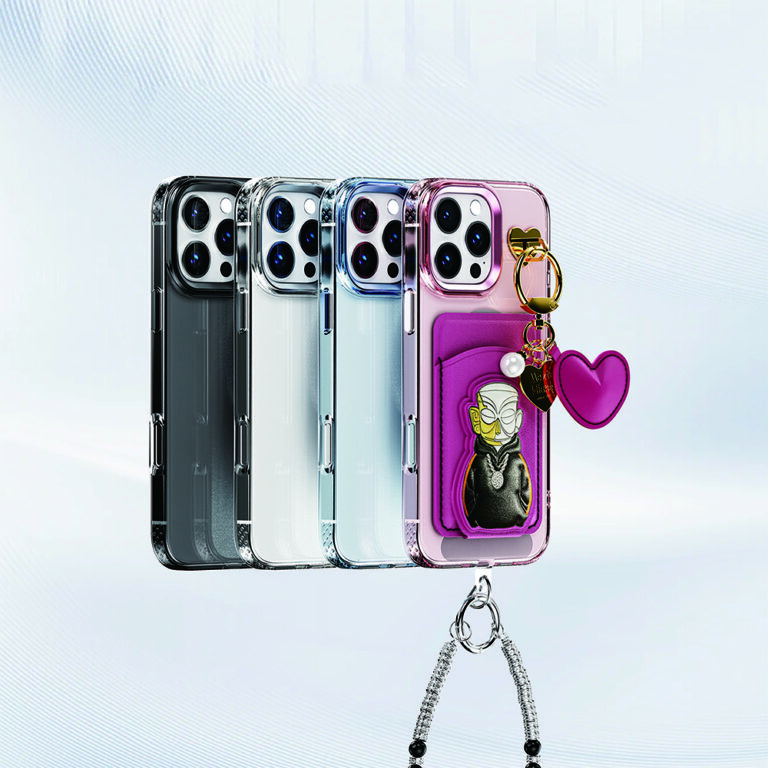
If your phone case is still a concept, pick a route based on the work the supplier will actually do. The acronym on the quote matters less.

If you’re fine starting from a case the supplier already makes, ask for that offer and the list of changes it allows. If you need to define the product yourself and keep control of it, ask for a clearly scoped development proposal.
Either way, a custom phone case manufacturer should confirm three things in writing before you compare prices: the design you’re starting from, who makes and approves changes, and who holds rights to the results.
Which Route Should You Explore for an Unfinished Phone Case Concept?
Pick the route that matches how much of the product you want to define. Start with that, not with the label. A concept, a sketch, or reference photos can lead to two very different offers with a custom phone case manufacturer based on control, uniqueness, and effort.
One kind of offer starts from a product the supplier already has. Thomasnet describes white-label products as generic manufacturer products. The retailer controls branding and packaging but has little say over core features, and the same item can be sold to other retailers. In private-label deals, by contrast, the retailer defines changes from the generic product and the manufacturer works with them to make it. Thomasnet adds that the ready-made route can reach market faster but faces more competition. The customized route takes more time and money to define the need.
These categories are useful context, but they aren’t definitions of phone case ODM. Instead of assuming what the acronym covers, turn the choice into conditions you can check with your supplier:
-
Adapting an existing case works when the supplier’s base design already fits your device, material, and look, and you mainly need branding or a few listed tweaks. Before you go further, ask whether that base design is also sold to other brands.
-
A buyer-led, development-style scope fits better when your concept depends on features no existing case offers, or when you need control over the final design. Expect to supply more definition, or to pay for development work that’s described in writing.

If a phone case manufacturer can’t tell you which of these it’s offering, you don’t have enough detail to compare its quote yet.
What Work Sits Behind an OEM or ODM Offer?
The work is whatever the proposal assigns, so you cannot assume scope from the acronym alone. Even the better-known term is used loosely across different manufacturing contracts.
Practical Law’s common-use OEM definition describes an OEM as a company that designs or formulates a product and hires a manufacturer to make it. Practical Law also warns that the term is confusing, because people sometimes use “OEM” for the contract manufacturer itself.
In practice, this means that when one phone case supplier says “OEM” and another says “ODM,” they may be quoting very similar work. Or two suppliers using the same word may be quoting very different work. For a concept-stage case, break each offer into plain tasks:
-
Starting point: Is the base an existing case, a modified version of one, or a new design built from your brief?
-
Development work: Who turns your sketch into a design that can be produced, and who prepares the files?
-
Change control: Who suggests changes, and who signs off on them before samples or production?
Ownership is a separate question from who does the work. A supplier can do most of the development, and the rights to that work can still be assigned in different ways. That’s why rights belong in the pre-quote terms below and shouldn’t be inferred from who did the design.
What to Settle Before Requesting a Quote
Put the work and the rights in writing before you ask for pricing, so the quotes you collect cover the same scope. Defining milestones, contributions, and ownership early prevents costly misunderstandings.
WIPO’s supplier-agreement guidance on contributions and project results advises being clear about what each party brings, who owns the results, and what the supplier is responsible for, including milestones. WIPO also notes that when suppliers modify existing designs, or when teams work together, ownership can be unclear unless it’s defined from the start. This is general business guidance, not a phone-case rule or US legal advice.
-
Baseline: List what you’re bringing (sketches, references, a brief, brand assets) and which design questions are still open.
-
Development owner: Name who will do each open task, and set the milestones and deliverables, such as samples or final files.
-
Approvals: Say who reviews and approves design changes, and at which stage.
-
Existing vs. new work: Agree how each party’s existing designs will be treated, and separately how new results, modifications to a supplier’s base case, and jointly created work will be treated.
-
Design files and tooling: Ask directly how rights to design files and to any tooling will be handled. Don’t assume a default based on whether the offer is called OEM or ODM.
If a supplier won’t address these points in its proposal, treat its quote as incomplete, even if the price looks better. For a final agreement, get legal advice.
FAQs
Can I start talking to a supplier before my design is finished?
Yes. A concept, sketches, and references are a valid place to start the conversation. Say clearly what’s settled and what’s open, so the supplier proposes development work rather than quoting as if the design were ready to produce.
If a supplier sells me a modified version of its existing case, do I own the changes?
Not automatically. WIPO notes that ownership of improvements to a supplier’s existing design can be unclear. Agree in writing how those modifications will be treated before the work starts.
Can another brand sell the same case I’m buying?
With a generic, white-label-style product, it can. Thomasnet notes that the manufacturer is free to sell the same item to other retailers. Ask whether your base design is exclusive, and get the answer in writing.
Why can two quotes for the “same” case be so far apart?
They may cover different work. One quote might be for an existing case with a logo added. Another might include development, samples, or tooling. Compare quotes only after each one lists the same tasks and deliverables.