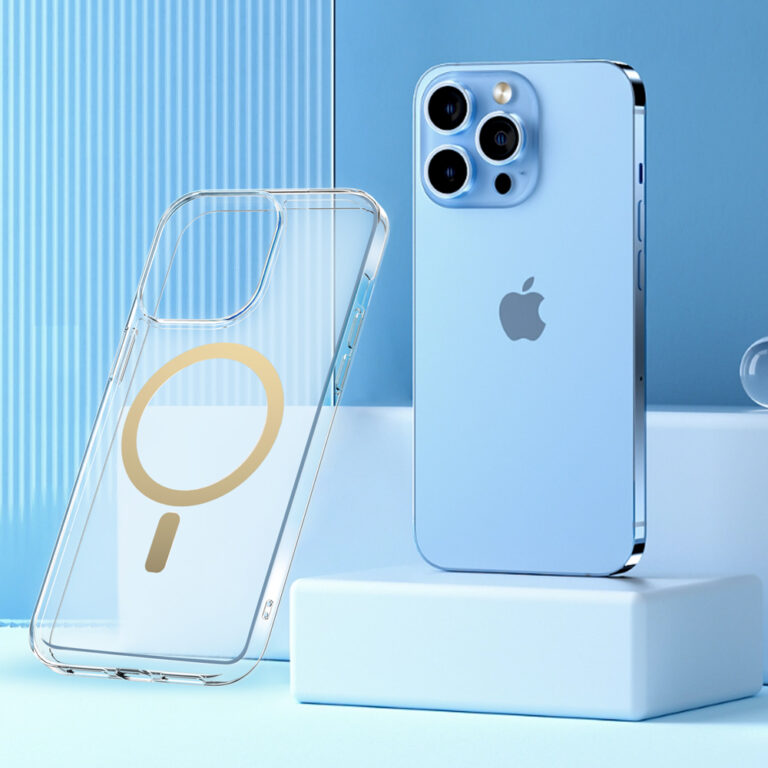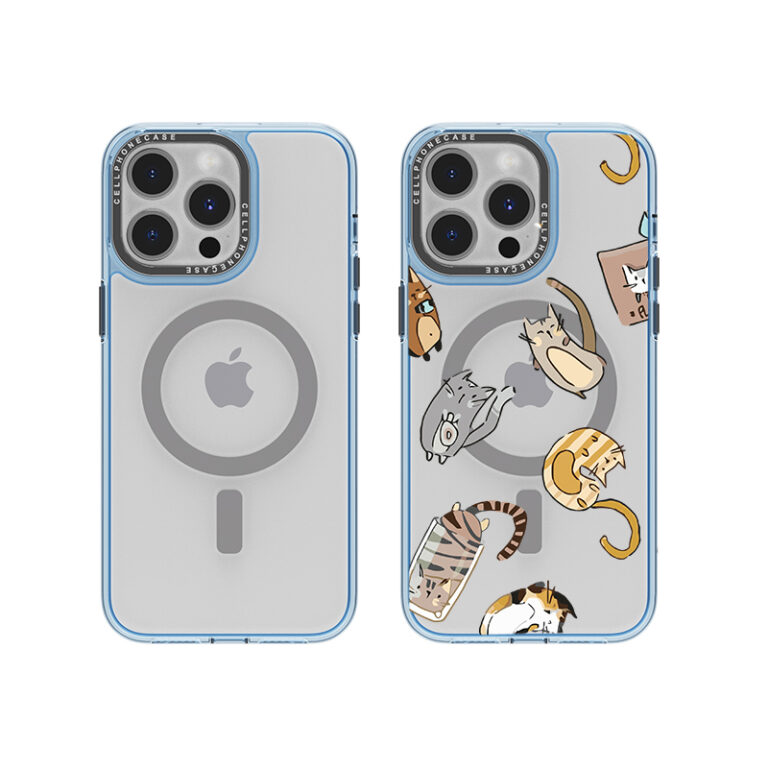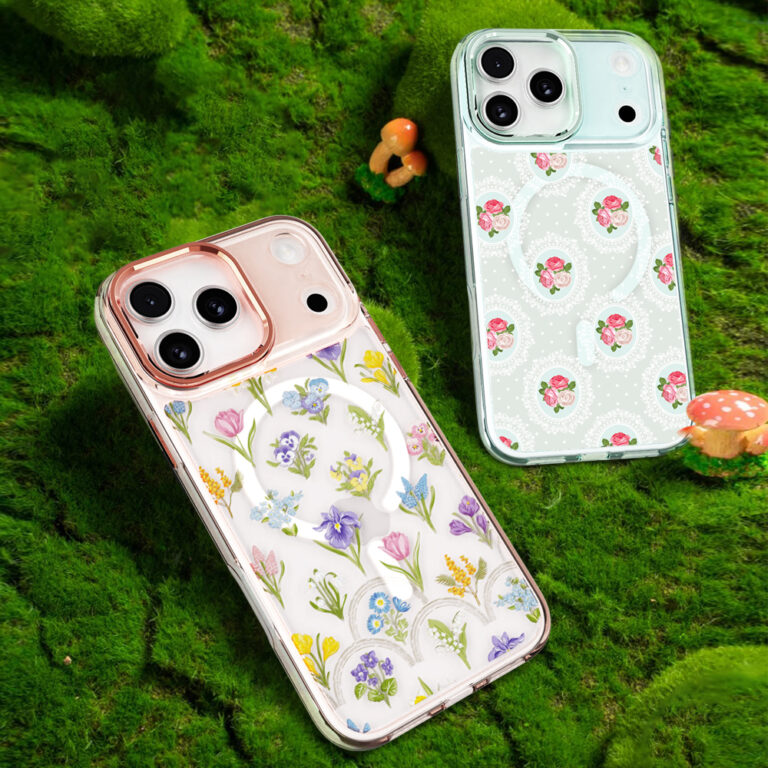
An OEM phone case, an ODM project, and private-label phone cases can all become successful branded retail products, but each requires distinct levels of engineering, capital investment, and production control. Choosing the right route depends on your required product differentiation, projected sales volume, and whether the business case justifies dedicated tooling.
What Is the Practical Difference Between OEM, ODM, and Private Label?
Industry terminology for OEM, ODM, and private label often varies across factories. When evaluating suppliers, assess the practical project parameters: the baseline starting point, permissible customization scope, proprietary design ownership, and pre-production lead times.
| Model | Typical Starting Point | Customization Scope | Development Commitment |
|---|---|---|---|
| Private label | Existing production-ready case platform | Branding, colorways, surface textures, artwork, and packaging | Low |
| ODM | Configurable base platform from factory catalog | Defined structural modifications, insert components, materials, and accents | Medium |
| Custom OEM | Brand-defined concept, CAD file, or functional brief | Ground-up product development built to exact technical specifications | High |
Your quotation, formal technical specification, tooling contract, and pre-production golden samples should explicitly define project boundaries.
Who Owns the Product Concept, Engineering Decisions, and Tooling?
Private label programs utilize off-the-shelf tooling. The brand directs commercial differentiation through curated color palettes, custom packaging, decorative artwork, and assortment strategy.
ODM provides brands with greater physical influence. The factory provides an established tooling core while secondary features—such as lens bezels, tactile buttons, materials, or kickstands—are customized within set parameters.
Custom OEM begins with proprietary brand requirements. Development is typically driven by an industrial design brief, custom ergonomics, mechanical requirements, or retailer-mandated features.
Tooling rights must be negotiated independently from manufacturing models. Always document mold financing, legal ownership, exclusivity boundaries, and maintenance obligations in writing.
What Can Be Changed Without Creating a New Platform?
A standard private-label project leverages existing molds while tailoring surface-level aesthetics:
- Logo application and placement
- Custom Pantone color matching
- In-mold decoration (IMD) or digital printing
- Specialty surface coatings (matte, soft-touch, anti-scratch)
- Custom retail packaging and inserts
ODM manufacturing expands into modular adjustments, including camera bezels, metallic buttons, magnetic assemblies, decorative trim, dual-injection materials, or functional kickstands.
Every structural revision must be cross-checked against existing mold tolerances. Modifying a secondary component can influence snap-fit dimensions, assembly cycles, shock absorption, or packaging clearances.
Custom OEM grants complete structural flexibility because tooling is cut specifically for your approved 3D CAD design. Consequently, all critical engineering dimensions must be locked before steel cutting begins.
Which Approvals and Files Remain With the Brand?
Brands should retain the approved product specification sheet, vector artwork, packaging dielines, approved golden samples, model coverage lists, and formal revision logs. Custom ODM and OEM contracts should also grant access to 2D tolerance drawings, quality inspection standards, and raw material safety data sheets.
Your commercial agreement should state clearly which engineering deliverables belong to the brand and how those assets may be utilized for subsequent device generations.
How Does Each Model Handle Product or Demand Changes?
Private label offers maximum flexibility to shift model allocations, colorways, or order depths when working with active factory lines. An ODM change may necessitate modified mold inserts, additional sampling cycles, or revised tooling costs. Custom OEM requires the most rigorous change management, where alterations to phone dimensions or structural walls demand significant re-engineering and tool modifications.
Brands launching in untested retail channels should account for this structural inflexibility before choosing a manufacturing route.
Private Label for Speed and Proven Constructions
Private-label manufacturing is ideal when an established case design aligns with your target market and sales channels. Whether introducing a crystal-clear magnetic case, an ultra-slim protective shell, or a fashion-oriented printed cover, differentiation focuses on exterior finishes, color stories, and retail presentation. This route delivers key advantages when:
- Entering an unproven sales channel requiring fast market validation
- Meeting urgent launch deadlines tied to new device releases
- Covering multiple smartphone generations simultaneously
- Splitting production volumes across extensive SKU varieties
- Testing seasonal patterns or experimental graphic lines
Runsuncase’s comprehensive brand customization service supports private-label clients with end-to-end logo integration, custom packaging, curated material selections, and turnkey production runs.
The primary constraint of private labeling is the physical limitation of the existing mold. Confirm all dimensional parameters before finalizing product artwork.
Model continuity is important as well. Launching an assortment across ten device models requires dependable production stability. Confirm that the factory commits to ongoing mold maintenance and steady resin availability for future replenishment runs.
ODM for Configurable Product Differentiation
ODM suits established brands seeking distinctive physical differentiation without the capital risk and lead time of ground-up mold creation.
For example, a brand can take a proven drop-tested chassis and request custom aluminum buttons, a unique textured backplate, or an integrated zinc-alloy ring stand. Before issuing purchase orders, identify which modifications fit modular inserts and which require new tooling. That distinction directly determines minimum order quantities (MOQs), development budgets, sample rounds, and production timelines.
Clarify Exclusivity, Artwork Ownership, and Market-Use Rights
Customized products require explicit intellectual property clarity. While decorative artwork belongs exclusively to the brand, underlying case engineering often remains factory property. Custom inserts, proprietary textures, and territory exclusivity require unambiguous commercial terms.
The World Intellectual Property Organization distinguishes an IP assignment (which fully transfers ownership) from a license (which grants defined usage rights while ownership is retained). The authoritative WIPO guidance on IP assignment and licensing offers foundational guidelines for brands structuring proprietary manufacturing agreements.
Record these rights before releasing tooling deposits, particularly when custom tooling protects regional retail exclusivity.
Budget for Validation When Structure or Components Change
Every functional change introduces new points of failure. Altering a raised camera ring affects lens protection and mold shrinkage rates. Changing internal magnetic components requires flux-density testing and precise thermal validation.
Structure your prototype review plan around each modified element. Establish clear functional acceptance criteria so each pre-production run verifies mechanical and cosmetic stability.
Custom OEM for Product Ownership and Ground-Up Development
Custom OEM manufacturing is best suited for proprietary product concepts whose sales projections justify significant engineering and mold investments. Typical catalysts include:
- A major retail partner requesting an exclusive form factor
- Developing a signature multi-material protective architecture
- Specialized requirements unfulfilled by market platforms (e.g., modular mounting systems)
- High-volume product programs targeting optimal unit economics
- Establishing a uniform industrial design language across product ecosystems
Clear functional objectives provide essential guidance for engineering teams. Wall thicknesses, polycarbonate-to-TPU bonding, tactile feedback, magnetic arrays, and drop-absorption cavities are engineered specifically for your product goals.
Plan Development Resources, Tolerance Decisions, and Sample Rounds
OEM projects require close cross-functional coordination spanning Design for Manufacturability (DFM), steel tooling fabrication, injection parameters, secondary finishing, and validation testing.
Early T1 samples frequently reveal shrinkage discrepancies or aesthetic surface knit lines. Systematic feedback ensures that tooling revisions resolve dimensional issues without introducing unintended defects.
Brands must assign internal technical stakeholders equipped to sign off on CAD updates, cosmetic limit samples, packaging fits, and engineering change notices (ECNs) without stalling the development pipeline.
Set Ownership for Molds, Drawings, and Future Revisions
Dedicated tooling investments yield long-term manufacturing assets that can support successive device lifecycles. Protect your investment by clarifying:
- Formal mold ownership and physical possession rights
- Tooling relocation and production exclusivity terms
- Unrestricted access to final 2D/3D native CAD files
- Preventative maintenance and mold-life guarantees (e.g., 500,000 shots)
- Modification procedures for subsequent model iterations
How Does Each Model Change MOQ, Cost, and Lead Time?
Your manufacturing model directly dictates initial capital requirements and ongoing minimum order quantities (MOQs).
Compare Material, Setup, Tooling, and Packaging Minimums
An accurate manufacturing quotation isolates primary cost variables:
- Minimum order volume per device model
- Per-color production minimums (masterbatch mixing thresholds)
- Custom resin compounding requirements
- Screen printing, IMD, or UV setup charges
- Specialized hardware sourcing minimums
- Printed retail packaging order tiers
- Mold fabrication or insert tooling investments
Private labeling eliminates capital mold expenditures, though customized finishes and bespoke retail packaging may carry separate batch minimums.
ODM projects introduce moderate tooling insert fees and component-specific procurement minimums.
Ground-up custom OEM production carries the highest initial capital outlay due to dedicated injection tooling and extended DFM cycles.
Compare Approval Workload, Lead-Time Risk, and Ownership Cost
Post-quotation management workloads differ substantially across the three manufacturing paths:
| Area | Private Label | ODM | Custom OEM |
|---|---|---|---|
| Upfront development | Low (1–2 weeks) | Moderate (3–6 weeks) | High (8–16 weeks) |
| Tooling requirements | Existing factory molds | Platform molds with custom inserts | Bespoke multi-cavity hardened steel tooling |
| Approval scope | Cosmetics, branding, packaging | Cosmetics, functional parts, fit | Complete CAD, DFM, tooling, and quality plan |
| Late change sensitivity | Low | Moderate | High (costly steel modifications) |
| Long-term asset upkeep | None (factory-maintained) | Minimal component maintenance | Ongoing mold servicing and cycle monitoring |
Brands testing initial market viability gain little from committing capital to custom tooling before establishing sales traction. Conversely, mature product lines with consistent velocity benefit from the lower unit costs and structural exclusivity of proprietary tooling.
Which Cooperation Model Fits the Brand’s Current Readiness?
Align your manufacturing strategy with your brand’s operational maturity, financial resources, and channel demand visibility.
Choose Speed When Channel Proof Is Still Limited
Private label is the most pragmatic choice when gathering initial consumer data. Existing tooling enables brands to launch extensive device catalogs and diverse colorways without tying up working capital in mold steel.
Use this phase to identify top-performing smartphone models, customer finish preferences, and sustainable SKU velocities. These sales metrics deliver empirical validation for subsequent custom developments.
Choose Controlled Customization When Demand Is Established
ODM development bridges the gap for brands with steady sales volume seeking stronger competitive differentiation.
Upgrading a high-performing base chassis with proprietary anodized buttons, branded kickstands, or unique composite backplates adds substantial perceived value without the extended lead time of greenfield tooling.
Verify that your supplier guarantees adequate mold capacity and color-batch consistency across long production runs.
Choose Ground-Up Development When the Business Case Supports It
Custom OEM is reserved for distinctive form factors, proprietary accessory ecosystems, or enterprise programs with strong volume guarantees.
When launching signature product collections across successive device generations, dedicated molds provide defensible product exclusivity and optimal unit margins. Ensure that launch schedules, tooling budgets, and product life cycles are fully modeled prior to initiating mold fabrication.
What Must Be Written Into the Project Brief Before Sampling?
Transform your chosen cooperation model into a binding, comprehensive product brief before releasing funds for tooling or prototypes.
Record the following parameters:
- Manufacturing model and technical customization boundaries
- Locked functional and dimensional specifications
- Target device models, resin grades, and hardness ratings
- Secondary hardware components, finishes, and assembly guidelines
- Sample validation protocol and designated sign-off authorities
- Mold asset ownership, physical location, and transfer provisions
- Intellectual property assignments and retail packaging rights
- Formal Engineering Change Order (ECO) protocols
- Production continuity plans for repeat orders
Identify every open design assumption and designate the team member accountable for sign-off. Clear brief definitions prevent casual aesthetic ideas from entering pre-production runs without vetting.
For reorders, document the master bill of materials (BOM), resin certifications, and color limit boards. Any subsequent raw material substitution or packaging revision must trigger a structured review cycle.
Match the Cooperation Model to the Brand’s Next Stage
Private-label phone cases provide an agile path to enter markets and test consumer demand using reliable factory platforms. ODM unlocks targeted structural differentiation once baseline sales data is validated. Custom OEM phone case engineering creates proprietary brand equity when market volume, margins, and sales channels warrant dedicated tooling investments. Define your customization scope, capital commitment, design rights, and approval responsibilities to select the manufacturing strategy that matches your growth phase.
Frequently Asked Questions
Q1. Can a brand start with private label and transition to ODM later?
Yes. Early private-label sales identify winning design directions, popular phone models, and high-margin finishes. Once baseline volume is proven, brands frequently commission modular ODM tooling to introduce proprietary features on established platforms.
Q2. Does a custom OEM phone case always require completely new molds?
Not always. Certain hybrid programs integrate standardized internal cores with custom exterior cavity plates or swappable camera inserts. Clarify tooling architecture during early DFM reviews to minimize tooling expense and production lead times.
Q3. Can private-label phone cases use bespoke retail packaging?
Yes. Factories regularly pair standard case platforms with fully custom printed boxes, blister packs, branded hangtags, and UPC barcoding. Finalize dielines, box materials, and packaging MOQs alongside initial case production schedules.
Q4. Who owns the mold in an ODM phone case project?
Ownership depends entirely on the commercial agreement. If the brand funds dedicated mold inserts, it should retain ownership of those customized components. Always formalize mold title, storage terms, maintenance obligations, and production exclusivity in your manufacturing contract.