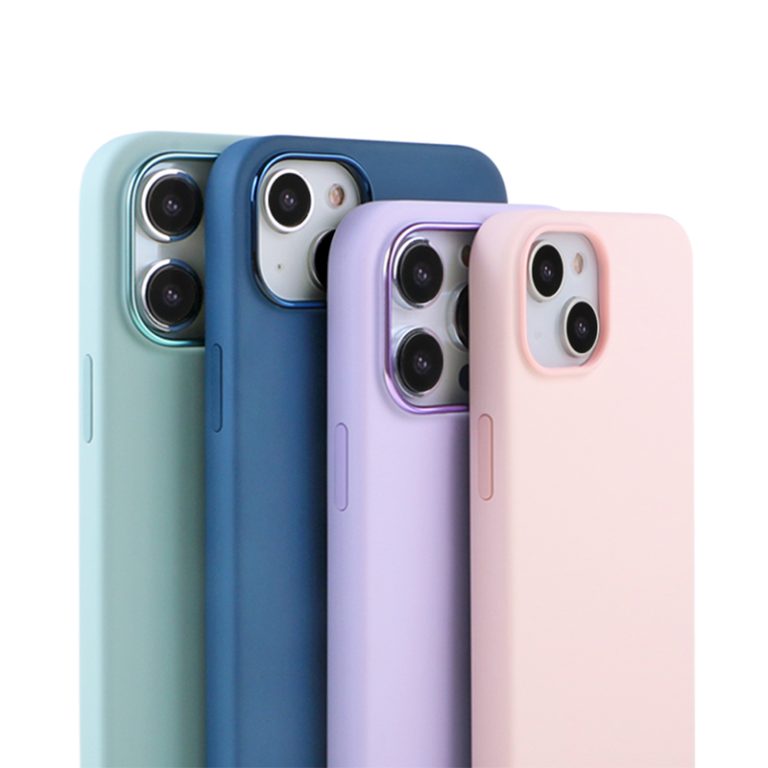
Phone case development for a new device launch should be planned backward from the shelf or online launch date. For custom phone cases for iPhone, Samsung programs, or matching earbud accessories, the schedule needs separate time for device data, structure, tooling, samples, packaging, file lock, bulk production, QC, and freight. Existing molds can move faster, while new tooling and complex features need more time.
Work Backward From the Launch Date
Start with the date when the cases must be ready for sale, then plan backward. For a retailer, this may be the shelf date. For an online brand, it may be the date inventory must be ready to ship to customers.
A practical new-device launch can be planned with the following timeline:
| Time Before Launch | Main Work |
|---|---|
| 8–12+ weeks | Confirm device models, case direction, materials, functions, quantities, and tooling route |
| 6–10 weeks | Complete new tooling or mold adjustments when required; review the first samples |
| 4–7 weeks | Revise samples; approve fit, function, color, logo, finish, and packaging direction |
| 3–5 weeks | Approve the final sample; lock SKU, artwork, barcode, carton, and QC files |
| 2–4 weeks | Bulk production, assembly, packaging, and final inspection |
| 1–3 weeks | Shipping, customs clearance, warehouse receiving, and retail preparation |
| Launch date | Inventory is available for sale |
These ranges are planning references rather than fixed production lead times. A project using an existing mold with limited customization may move faster. A new structure that requires custom tooling, several sample revisions, special components, or complex packaging needs more lead time.
Some stages can also overlap. Packaging artwork can often begin while product samples are being reviewed, as long as the product dimensions and basic packaging requirements are stable. Final printing should wait until the approved product information, artwork, barcode, and claims are confirmed.
The launch calendar also needs enough time after production. Freight, customs, warehouse receiving, and retailer booking can consume a significant portion of the schedule, so the factory completion date should always be scheduled earlier than the commercial sales date.
For brands launching several models at once, build extra review time into the schedule. More device models mean more samples, SKUs, packaging files, and approvals to coordinate before bulk production starts.
Early Development: Model Data, Case Structure, and Material Direction
The early development phase determines what the factory will build. A late structural change here can impact the mold, material, components, packaging, and every sample that follows.
Confirm Reliable Device Data Before Locking the Structure
Start with the exact device models planned for launch.
For Apple accessories, the Apple accessory development resources provide official design guidelines and dimensional drawings for hardware developers. Apple also recommends testing physical prototypes to confirm that protective cases and accessories work reliably with device features.
Device data should be verified before the case structure or tooling is frozen. Critical checkpoints include overall chassis dimensions, camera housing layout, tactile buttons, speaker arrays, perimeter radii, and features that impact precise snap-fit.
The same discipline applies to custom Samsung phone cases. A project covering multiple Galaxy models should maintain distinct 3D CAD files, prototype samples, SKU codes, and packaging versions.
Pre-release information is helpful for preliminary planning, but final mass production commitments must rely on verified technical data and approved physical samples, eliminating costly assumptions.
Define Structure, Material, and Functions Together
Once the model list is established, specify the engineering requirements. A slim TPU case, clear TPU + PC case, integrated magnetic cover, and kickstand case all require different tooling structures and assembly workflows. Material selection also dictates wall thickness, tactile grip, surface coating compatibility, and long-term durability.
Functional components must be integrated into the initial product brief. For a magnetic case, determine the magnet module arrangement and accessory ecosystem compatibility. For kickstand designs, confirm hinge durability and how the folded mechanism interfaces with the camera bezel. Printed series should specify whether IMD, UV printing, or silk-screen finishes are required.
This stage also determines whether an existing factory mold suffices or if customized tooling is necessary. Runsuncase provides ready-to-use public molds for Apple and Samsung devices alongside full-scale custom mold development, matching tooling timelines to the brand’s launch deadline.
Sample Stage: Fit, Finish, Function, and Packaging Review
The prototype stage translates the product brief into physical samples for engineering sign-off. Each review round should address targeted structural or cosmetic criteria.
Check Fit and Function First
Dimensional errors compromise the entire product run and must be corrected before evaluating decorative finishes.
Validate the case against real reference devices. Assess button tactile feedback, port clearance, camera lip elevation, screen edge wrap, and ease of installation and removal.
Functional cases require dedicated validation. Magnetic cases must undergo magnetic pull-force testing with wireless chargers and car mounts. Built-in kickstands must operate smoothly across portrait and landscape viewing angles without structural fatigue.
When adjustments are needed, document dimensional variances precisely so tooling modifications remain focused.
Review Finish, Branding, and Packaging as One Product
Once the physical fit is verified, evaluate the external styling and retail presentation.
Pantone color matching, surface texture, logo precision, protective coatings, and metal accents must adhere to brand guidelines. If developing a cross-device collection, evaluate samples side-by-side to ensure logo placement remains visually balanced across different chassis sizes.
Retail packaging must be reviewed concurrently with the product. Verify internal blister tray tolerances, model compatibility printing, scannable EAN/UPC barcodes, and user instructions.
Runsuncase’s comprehensive OEM sampling guide for brand buyers emphasizes approving the case and packaging simultaneously, creating a unified golden sample for mass production.
Pre-Production: File Lock and Order Preparation
Following sample approval, the project enters the file lock phase, preventing outdated drawings or incorrect barcodes from reaching the factory floor. Before releasing production orders, lock down:
- Product version: finalized device model, resin formulation, Pantone codes, surface treatment, and hardware
- Golden sample: signed physical benchmark guiding quality control teams
- Master SKU list: cross-referenced model names, colors, case variants, and packaging styles
- Packaging artwork: print-ready vector files, verified barcodes, and regulatory markings
- Carton configuration: shipping marks, gross weights, carton dimensions, and inner pack counts
- QC checklist: AQL standards, drop-test criteria, aesthetic tolerances, and functional checks
The final purchase order must reflect these locked specifications. Any subsequent change to artwork, materials, or components requires formal version tracking across affected SKUs.
Rigorous file control is essential during simultaneous multi-model launches, where a mislabeled barcode can compromise an otherwise flawless manufacturing batch.
Bulk Production and the First Reorder Window
The initial production run fulfills two objectives: supporting launch demand and collecting sell-through data to guide subsequent inventory cycles.
Allocate higher inventory depth to core models and standard finishes. Experimental colorways or niche device variants can begin with lower batch sizes within supplier MOQ constraints. For instance, brands often order substantial volume on a clear magnetic case for hero flagship models while placing test orders on seasonal hues.
A proactive reorder plan should be established before initial inventory depletes. Monitor weekly sales velocity and track factory replenishment lead times to prevent out-of-stock scenarios.
Reorders must maintain strict version discipline. Repeat orders should reference the established golden sample. If iterations occur—such as updated packaging copy or refreshed color lines—they should be treated as distinct approval revisions.
Coordinated accessory drops follow this exact workflow. A customized AirPods 4 case planned alongside an iPhone case collection requires its own fit checks, wireless charging testing, and packaging sign-off, even when sharing a unified design aesthetic.
How Brands Can Reduce Launch Friction With a Clear Brief
To ensure project momentum, prepare a comprehensive product brief outlining target device models, target shelf dates, sales channels, order forecasts, material requirements, functional elements, and private labeling needs.
Maintain transparency around pending decisions. If a specific color formulation or barcode file is pending, assign a definite owner and deadline to keep the project on schedule.
Runsuncase’s dedicated brand customization service supports B2B buyers by reviewing mold options, testing specialty finishes, and validating packaging formats against specific launch timelines.
A structured launch timeline relies on clearly defined milestone gates, giving brand managers complete visibility and allowing technical adjustments before bulk manufacturing commences.
Final Takeaways for a Smooth Case Launch
A successful accessory launch relies on clear milestone ownership and strict file locking. By working backward from retail dates through tooling, prototyping, packaging validation, bulk assembly, and logistics, brands mitigate supply chain risks. Once the primary production run ships, utilize real-time channel sell-through data to fine-tune reorder batch sizes.
Common Questions About Case Development and Production
Q1. How Early Should a Brand Start Developing Cases for a New Phone Launch?
Start early enough to allocate dedicated time for model validation, tooling modifications, sampling iterations, packaging proofs, mass production, and freight logistics. Utilizing existing tooling significantly accelerates schedules compared to developing bespoke molds that require multiple sample revisions.
Q2. Should Packaging Wait Until the Phone Case Sample Is Final?
Packaging artwork development can begin while case tooling is underway, provided external dimensions are stable. Final box printing, however, should wait for the approved golden sample to ensure 100% accuracy in barcode data, product titles, and physical tray fit.
Q3. Can iPhone and Samsung Cases Follow the Same Development Schedule?
Both product lines follow identical development milestones, but each device family requires separate CAD validation, sample fit testing, packaging layouts, and SKU tracking. Simultaneous launches with large model counts require expanded review bandwidth.
Q4. Can a Custom AirPods 4 Case Be Developed With a Matching Phone Case Collection?
Yes. Brands frequently coordinate colorways, surface textures, and packaging across phone and audio accessories. The AirPods case must independently pass hinge clearance, LED indicator visibility, and charging coil alignment checks before entering mass production.