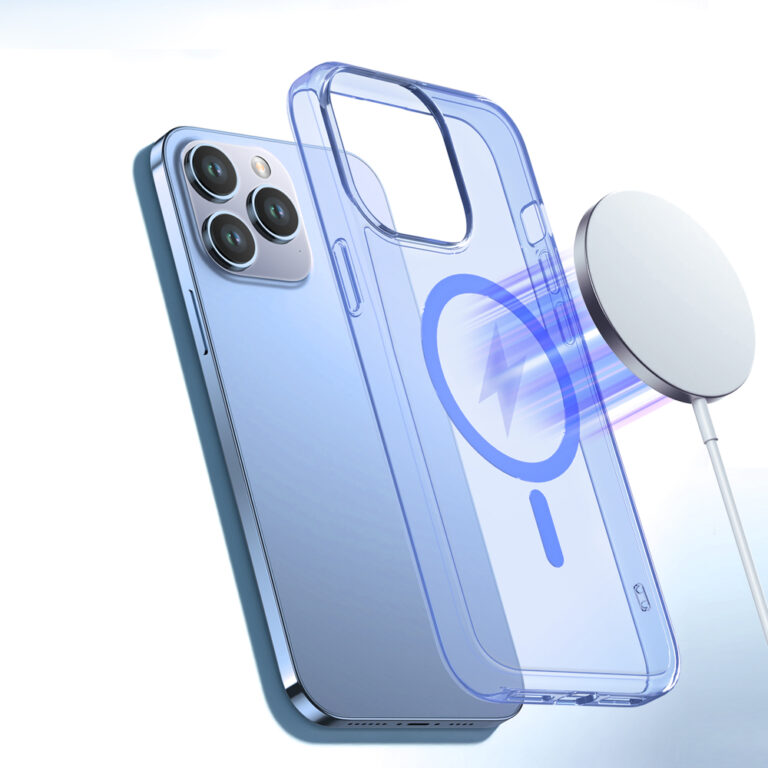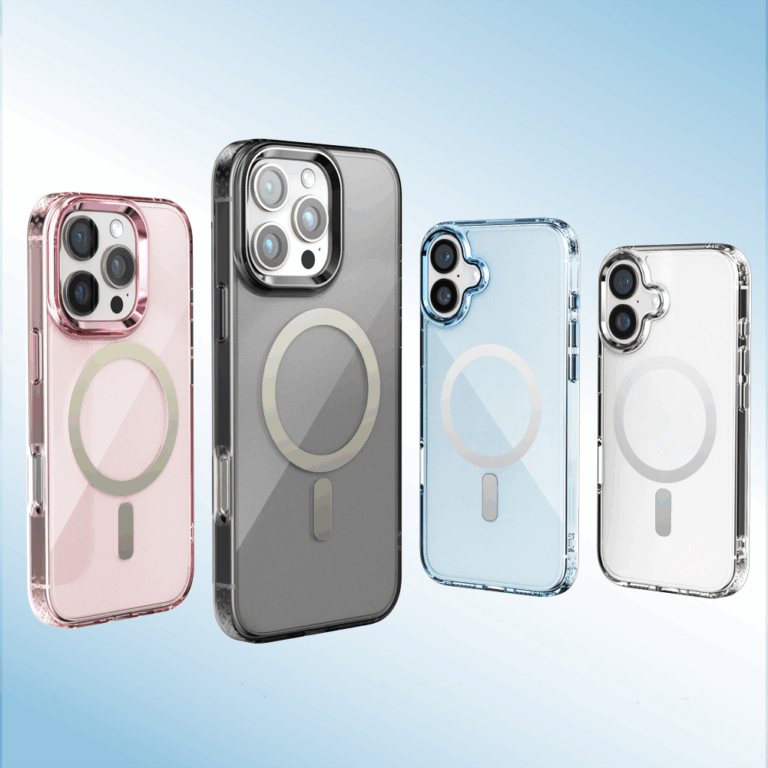
Phone case materials shape hand feel, structure, color, printing, price tier, packaging claims, and reorder planning. For brands, material selection should start with the target customer, sales channel, product role, and production plan. TPU, silicone, polycarbonate, aramid fiber, leather-style surfaces, and eco friendly phone case materials can all create value when they match a clear collection strategy.

A Practical Overview of Phone Case Materials
Most phone case collections use a mix of material types rather than one single material across every product. A clear case, a printed case, a wallet case, and an aramid fiber phone case may all serve different roles in the same brand line.
| Material Group | Common Options | Typical Product Role |
|---|---|---|
| Flexible materials | TPU, TPE, silicone | Soft shells, bumpers, grip-focused cases, color-led cases |
| Rigid materials | PC, hard plastic structures | Back plates, clear cases, printed cases, internal support |
| Hybrid structures | TPU + PC | Protective cases, clear hybrid cases, magnetic cases |
| Surface materials | PU, microfiber leather, fabric | Wallet cases, fashion cases, lifestyle collections |
| Performance-led materials | Aramid fiber, reinforced composites | Thin premium cases, business styles, lightweight products |
| Sustainable directions | PCR plastics, bio-based materials | Sustainability-led collections with verified claims |

How Common Phone Case Materials Shape Product Design
Common materials still carry most everyday phone case programs because they are practical for sampling, color planning, and repeat production. The choice affects how the product feels, how it looks on a shelf, and how easily it can expand across phone models.
TPU vs. Silicone Phone Cases
TPU is widely used for soft cases, bumpers, flexible edges, transparent frames, and hybrid structures. It works well when a brand needs a case that feels flexible but still holds its shape across repeated use.
Silicone fits a different design direction. It is often chosen for soft-touch color collections, minimal designs, gift-style products, and cases where hand feel is part of the selling point. It can support smooth color expression and a warmer tactile experience.
For brands, the decision is usually about channel and positioning. TPU works well for practical everyday lines, protective lines, and hybrid structures. Silicone works better when the product story depends on color, softness, and lifestyle presentation. If the sales channel is wholesale or mass retail, TPU may be easier to scale across many models. If the product line is brand-led or gift-oriented, silicone can support a more emotional visual identity.

Polycarbonate and Hybrid Phone Case Structures
A polycarbonate phone case usually points to structure, clarity, and surface control. PC is commonly used for hard back plates, transparent cases, printed cases, and internal support areas. It gives a case a more defined shape and can provide a cleaner base for graphics or a clear back design.
Hybrid structures combine the strengths of different materials. TPU can form the flexible bumper, while PC can support the back plate or printed surface. This structure gives brands more room to balance daily protection, visual design, and packaging presentation.
For private label brands, TPU + PC is useful when one product needs several selling points at once: a clear back, flexible edges, magnetic compatibility, printed design, or reinforced corner structure. Before sampling, the brief should state which part is TPU, which part is PC, and whether the case needs printing, a magnetic ring, metal buttons, or special surface treatment.

Aramid Fiber Phone Cases and Other Performance-Led Materials
Performance-led materials can help a brand build a thinner, lighter, or more premium product line, but they should be used with clear positioning.

Aramid Fiber Phone Cases
An aramid fiber phone case is usually chosen for its lightweight feel, woven texture, and high strength-to-weight positioning. It often fits slim business cases, premium minimalist collections, magnetic cases, and higher-price product lines where the customer values thinness, texture, and a cleaner hand feel.
Aramid fiber is a material category. Kevlar® is a specific branded aramid fiber name, so brands should not describe every aramid fiber phone case as a Kevlar® phone case unless the material source supports that claim. A safer approach is to use “aramid fiber” in product development and only use Kevlar® when the supply documents make that wording accurate.
Material strength also does not mean the finished case will automatically deliver stronger drop protection. Actual protection depends on the full structure, including bumper material, corner design, thickness, raised edges, camera lip, and how much of the phone is covered. For brand development, aramid fiber works best when the product goal is slim premium positioning rather than a general heavy-duty protection line.
Other Performance-Led Materials and Finishes
Other performance-led options may include real carbon fiber composites, glass fiber reinforced materials, metal components, and carbon-fiber-look finishes. Brands should separate three things before approving product copy: the actual material composition, the texture created by the material itself, and the visual effect created through printing, embossing, film, or surface decoration.
A real carbon fiber composite or glass fiber reinforced structure is different from a carbon-fiber-style pattern. Metal buttons, camera rings, hinge parts, stands, or magnetic rings are usually components, not the main case material. This distinction matters for product pages, packaging, and sales sheets.
Leather, Fabric, and Other Design-Led Materials
Leather, PU synthetic leather, microfiber leather, technical fabric, denim, wood veneer, cork, metal trim, and mirror-effect parts are usually used to create touch and visual difference rather than the whole case structure. In many designs, these materials appear as surface layers, inserts, decorative panels, or wrapped finishes, while TPU or PC provides the main support underneath.
For brands, these materials are useful when the case needs to feel like a fashion item, business accessory, gift product, or lifestyle collection. PU and microfiber leather can fit wallet cases, business-style cases, and retail gift lines. Fabric, denim, cork, and wood veneer can support fashion, collaboration, or limited-edition concepts. Metal and mirror-effect details can add a stronger visual accent, especially around buttons, camera areas, or decorative panels.
Development should focus on wear, stains, dye transfer, pilling, edge sealing, lamination strength, surface consistency, and batch-to-batch color control. A leather-look surface should not automatically be called genuine leather. Fabric, cork, wood, metal, or mirror details should also be described according to their actual structure and application. These materials can bring strong design value, but final use should depend on sample results, structure fit, supplier availability, and the project’s production requirements.
Eco-Friendly Phone Case Materials and Claim Requirements
Eco friendly phone case materials can support a sustainability-led collection, but the claim needs to match the material, testing, and market requirements. For brands, this section should be handled as product development and claim control, not only as marketing language.

Recycled and Bio-Based Material Options
Common directions include PCR plastics, PIR materials, bio-based polymers, plant fiber composites, and selected natural surface materials. PCR plastics can support recycled-content positioning. Bio-based materials can support a plant-derived material story. Plant fiber or cork-style materials can create a more natural visual identity.
Before using these materials in a retail or private label line, brands should check material percentage, appearance, texture, durability, supply stability, color options, and proof documents. A sustainability-led line also needs packaging wording that can be supported by actual material records.
Environmental Terms Brands Should Not Confuse
For a recycled-content case, confirm the recycled percentage and whether the material is PCR or PIR. For a bio-based claim, the material source and documented composition should match the wording. A case may contain bio-based material without being biodegradable, and a recycled-content case is not automatically recyclable.
Biodegradable and compostable claims need extra care because they depend on disposal conditions, testing methods, and the target market. If the case includes magnets, metal rings, coatings, adhesives, or mixed-material layers, confirm whether those parts affect the claim or need to be removed before disposal. The FTC Green Guides can help brands review environmental marketing claims. Avoid broad phrases such as “100% eco-friendly” or “completely biodegradable” unless the full product, packaging, and disposal conditions can support them.
Turning Materials Into Distinct Phone Case Collections
Materials become more useful when they are tied to product lines. A brand needs each material to serve a clear role.
| Product Line | Suggested Material or Structure | Main Positioning |
|---|---|---|
| Everyday Core Line | TPU or TPU + PC | Daily sales and stable reorder planning |
| Clear Graphic Line | Clear PC + TPU + printing | Transparent designs and graphic collections |
| Slim Business Line | Aramid fiber or thin hybrid structure | Lightweight business product |
| Soft-Touch Color Line | Silicone or soft-touch surface | Color and hand-feel collection |
| Fashion Textile Line | PC/TPU + fabric | Fashion and collaboration concepts |
| Magnetic Functional Line | TPU + PC + magnetic ring or stand | Magnetic and function-led products |
| Sustainability-Led Line | Verified PCR or bio-based materials | Sustainability-focused positioning |
Wholesalers care about supply stability and replenishment. Retail chains care about batch consistency, packaging clarity, and shelf display. Independent brands care about differentiation and story. Online sellers care about whether the material, finish, and feature can be shown clearly in photos and product pages.
Brands can also review the Runsuncase phone case product range when planning how different materials, functions, and case structures may fit into a broader product line.
What Brands Should Confirm Before Production
Material direction should become a production-ready brief before sampling and bulk production. This is where a material idea turns into a real product plan.
Material and Sample Verification
Before production, confirm the material name, composition, and where it is used in the structure. Check whether the material applies to the bumper, back plate, surface layer, internal support, or decorative component. The sample review should cover thickness, weight, color, hand feel, wear, aging, yellowing, delamination, magnetic compatibility, wireless charging compatibility, MOQ, lead time, and reorder stability. For special materials or environmental claims, ask for the proof documents needed to support packaging and product descriptions.
Prepare a Production-Ready Brief
A production-ready brief should include the target market, target phone models, material structure, color references, surface finish, functional details, logo method, expected quantity, testing needs, packaging direction, and launch timing. These details help the manufacturer check whether an existing material and structure can fit the project, or whether sample adjustments are needed before bulk production.
A custom phone case manufacturer such as Runsuncase can help brands review available material options, compare suitable structures and finishes, and confirm samples before production moves forward. Final feasibility should still depend on material availability, model coverage, order quantity, surface process, and approved samples.
Conclusion
Choose phone case materials after the target customer, sales channel, price tier, and function are clear. A material direction should then be checked through case structure, surface process, sample performance, supply stability, and supported product claims. Material innovation is valuable when it helps a brand build a clear, scalable, and repeatable collection, not when the material name only sounds special. Before sampling, turn that direction into a brief with model, material, finish, logo, packaging, and quantity details.
Common Questions About Phone Case Materials and Production
Q1. Does Phone Case Material Affect Wireless Charging?
Yes. Thickness, metal parts, magnetic ring position, inner structure, and phone model can all affect the final result. Brands should test wireless charging with the target phone model, charger type, and finished sample before approving bulk production.
Q2. Why Do Clear Phone Cases Change Color Over Time?
Clear cases may change color because of polymer formulation, UV exposure, heat, sweat, skin oils, and daily pollutants. In hybrid clear cases, the TPU bumper and polycarbonate back plate may age differently. Brands planning clear phone case materials should review yellowing performance by structure, not only by material name.
Q3. Can One Phone Case Structure Support Different Surface Materials?
Yes, but direct replacement is not always practical. The same inner shell may support PU, fabric, decorative film, or leather-style surfaces, but thickness, tolerance, lamination method, edge wrapping, and button feel may need adjustment. Brands should confirm these details during sample review.
Q4. Can Recycled Materials Support High-Volume Orders?
Yes, recycled materials can support high-volume orders when the material grade, recycled-content percentage, supply stability, and batch control are suitable for the product line. Before production, brands should confirm MOQ, lead time, color variation, surface finish, and finished-case performance across repeat orders.
Q5. What Should Brands Include When Requesting a Material Sample?
Brands should provide the target phone model, material direction, color reference, texture, thickness target, function needs, logo method, expected quantity, packaging direction, and testing requirements. This helps the manufacturer judge whether an existing solution can be used or whether the structure, surface finish, or material combination needs adjustment.