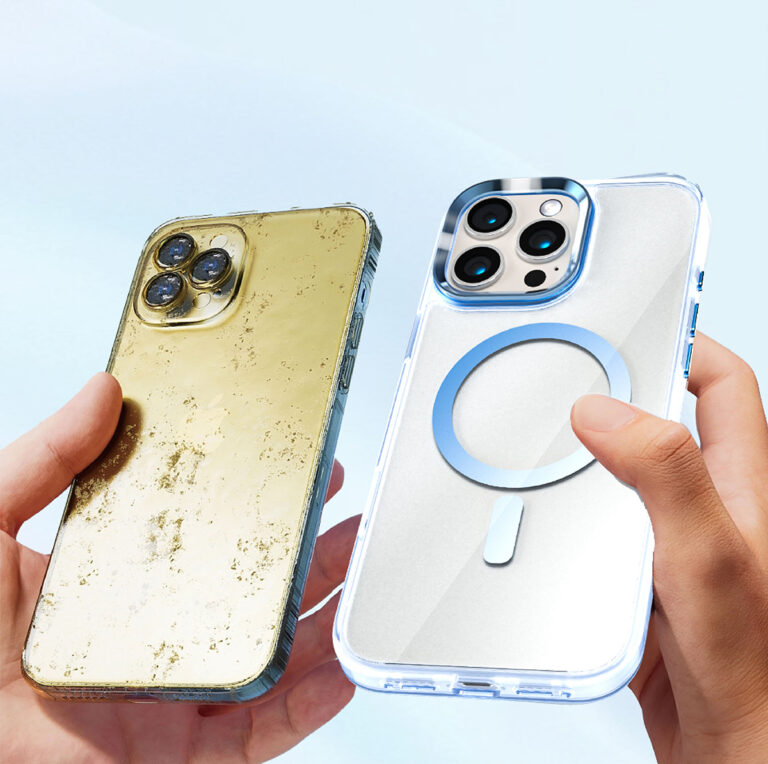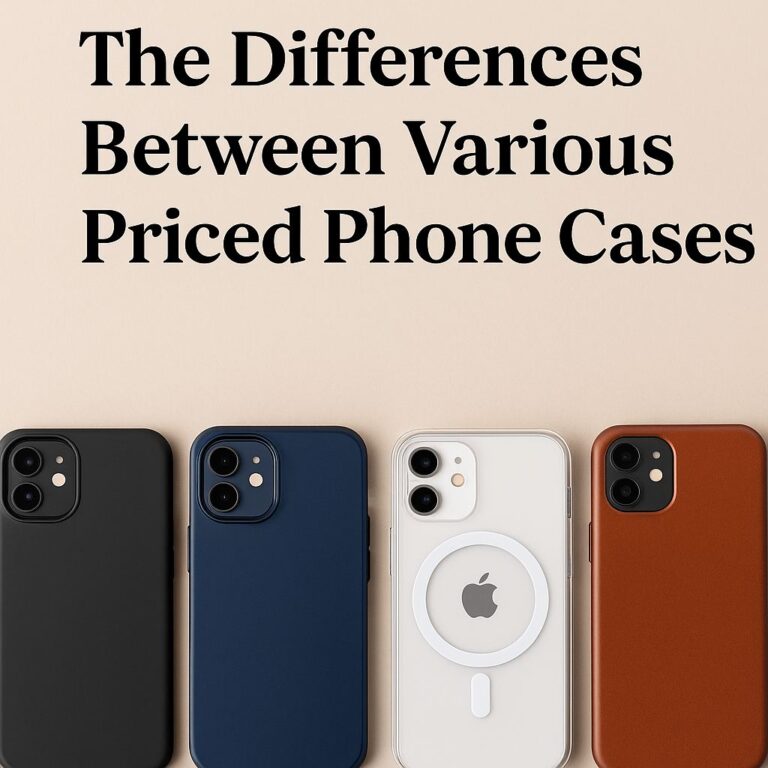
A popular phone case design can attract attention quickly, but attention alone does not guarantee sales. Before placing a large order, brands need to check whether a trend has real customer demand, which products should be tested, and how much inventory risk the first order should carry. A careful validation process helps brands develop fashionable phone cases while avoiding unnecessary stock.
Separate Trend Attention From Purchase Demand
A trend can appear everywhere online and still have limited sales potential. Social media views, competitor launches, wholesale inquiries, and retail sales data show different parts of the market.
Social media can reveal what styles attract attention. Colors, patterns, materials, and phone case designs that receive frequent engagement may show changing customer interests. However, engagement does not always show purchase intent.
Competitor launches can also provide useful information. When several brands introduce similar designs, it may indicate growing interest in a style, but it also means more brands are competing for the same customers.
For a stronger trend decision, compare several signals together:
- Social engagement: Are people saving, sharing, or discussing the design?
- Retail sell-through: Are similar products actually selling after launch?
- Customer requests: Are retailers or buyers asking for similar products?
- Wholesale demand: Are distributors or wholesale suppliers seeing interest from their customers?
A trend becomes more valuable when different signals support the same direction. A design that looks popular online but has weak sales feedback may need a smaller test before a larger investment.
Test the Trend Through Material, Color, and Case Type
A new trend does not always need a completely new case structure. Brands can often test customer interest through smaller changes before investing in more complex development.
Start With Easier Changes Before New Structures
Color, graphics, finishes, and materials are often practical starting points for trend testing. For example, a brand interested in a new fashion direction may test: a new seasonal color palette, a graphic collection, a textured surface, a premium-looking material style etc. These changes can show whether customers respond to the visual direction before the brand develops a more complex case structure.
A new feature can also be tested when there is a clear reason behind it. Magnetic functions, kickstands, wallets, or grip features may create additional value, but they usually require more product decisions than a color or artwork update.
Match the Trend With the Right Product Format
The same trend may work differently depending on the case type. A minimalist design may fit a clear or slim case. A bold graphic collection may work better on a printed case. A premium texture may need a different surface material to create the intended look and feel.
The material and decoration process should support the design idea. UV printing, IMD/IML, coatings, soft-touch finishes, fabric, and leather-style surfaces can create different visual results.
Testing the right combination of design, material, and case structure helps brands understand whether the trend has real product potential before moving into larger production.
Choose the Right Models for a First Trend Test
A trend test does not need every phone model. Too many models increase SKU count, inventory requirements, and production complexity before demand is confirmed.
Start with the models that have the strongest sales potential in the target market. For many brands, current high-volume iPhone and Samsung models may provide a better first test group than covering every available device.
The first test can focus on:
- Models with existing customer demand
- Models with strong retail traffic
- Devices where the brand already sells successfully
- Models that match the target customer of the new design
Older or lower-volume models can be added later after the design proves demand.
The same logic applies when working with a phone case supplier. A supplier can help review available structures, materials, and production options, but the brand still needs to decide which models make commercial sense for the first launch.
A smaller test range also makes it easier to review sales results. If a design performs well, the brand can expand it to more models with better confidence.
Keep the First Test Range Narrow
A first trend launch should focus on learning whether customers want the product direction. If the initial range includes too many colors, patterns, phone models, and packaging versions, it becomes harder to understand which parts of the collection are actually driving sales.
Start with a focused selection that covers the most important variables without creating unnecessary SKU depth. This may include a limited number of designs, the highest-demand phone models, and one clear packaging format. For example, a brand testing a floral phone case collection may begin with three designs across selected iPhone or Samsung models instead of launching every color and model combination at once. This makes inventory easier to manage and gives the brand clearer sales feedback.
A smaller first range also makes development and reorders easier. Artwork approval, packaging files, quality checks, and production planning require less coordination when fewer versions are involved. If certain designs perform well, the brand can expand those styles into more models, colors, or variations in the next order.
Use Packaging and Product Photos to Communicate the Product Value
A trend product needs to show its value quickly. Packaging and product images should make the design, material, function, and collection style easy for customers to understand.
For retail, confirm that the package clearly shows the product name, phone model, main feature, and collection identity. For online sales, images should show the artwork, texture, finish, and important functions from angles customers can easily compare.
Runsuncase’s retail customization service can support retail-ready packaging, labels, barcodes, hanging formats, and display requirements during product planning. Clear packaging and product presentation help brands test whether a trend is easy for customers to recognize before moving into larger orders.
When the Trend Is Ready for Bulk Production
Moving from a small test to a larger order requires more than positive attention. Brands should review whether the product has enough evidence to justify additional inventory. Before a bulk order, confirm:
- Sales performance: Are customers actually buying the product?
- Channel feedback: Are retailers, distributors, or customers requesting more?
- Sample stability: Does the approved sample represent a repeatable production result?
- Material availability: Can the selected materials, components, and finishes support larger quantities?
- Packaging readiness: Are artwork, barcode files, labels, and carton information finalized?
A successful trend also needs a clear next step. Some designs may become permanent collection items, while others may remain seasonal products.
Runsuncase can work with brands to review available case structures, materials, finishes, packaging requirements, and sample needs based on the project scope. Final production decisions should follow the approved specifications, sample results, order quantity, and confirmed production requirements.
Validate Before You Scale
A trend should earn a larger investment through customer response, not only online attention. Brands can reduce risk by testing the right models, materials, designs, and packaging before committing to a larger order. For wholesale suppliers and brands planning future collections, a focused first launch creates clearer sales data and makes future product decisions easier. The goal is not to follow every trend, but to identify the designs that fit the customer, channel, and long-term product strategy.
FAQs
Q1. How Can Brands Know if a Phone Case Trend Is Worth Testing?
Look at several signals together, including customer interest, retail sales, competitor activity, and wholesale demand. A trend with support from multiple sources usually provides a stronger reason for a product test.
Q2. Should Brands Create a New Case Structure for Every Trend?
Usually, no. Many trends can be tested through colors, graphics, finishes, materials, or packaging changes before investing in a completely new structure.
Q3. How Many Phone Models Should Be Included in a First Trend Test?
Start with the models that have the strongest demand in the target market. A smaller model selection makes it easier to measure sales performance and manage inventory.
Q4. What Should Be Confirmed Before Placing a Bulk Phone Case Order?
Confirm the final product specification, approved sample, materials, functions, packaging files, order quantity, and production requirements. These details help ensure the bulk order matches the tested product direction.