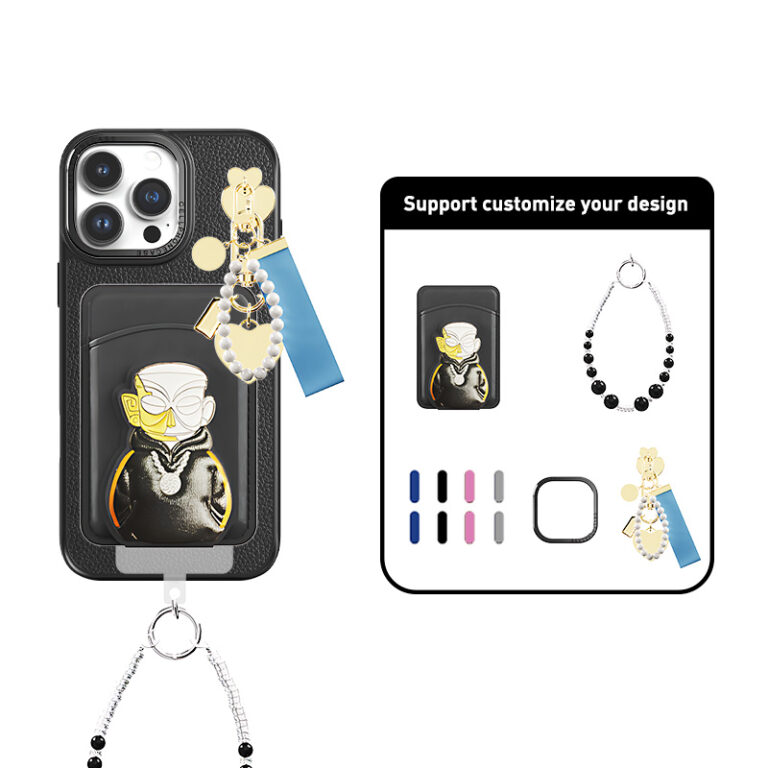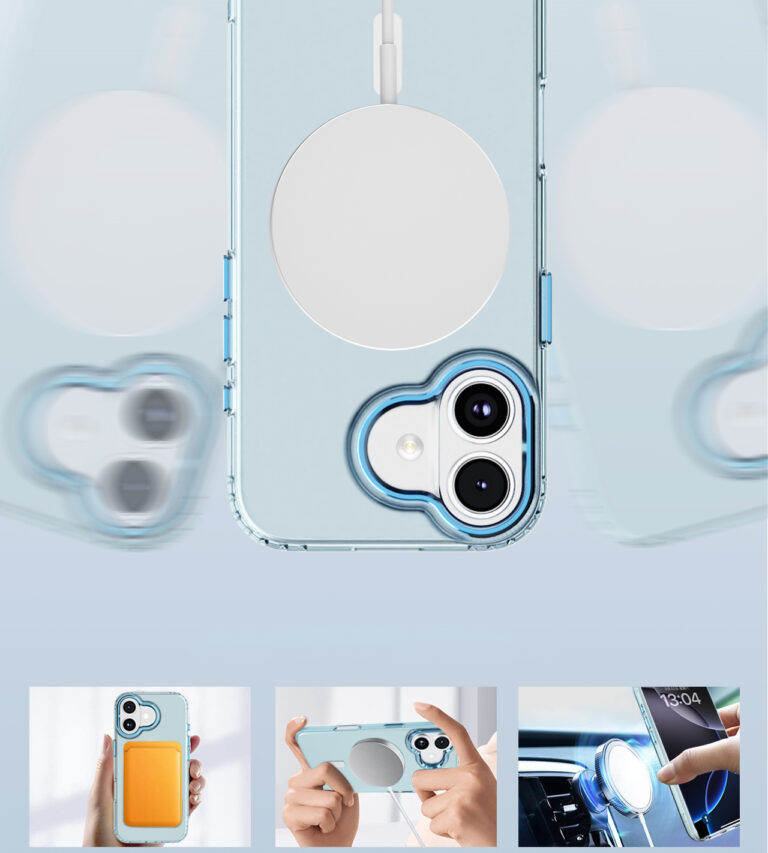
Start focused if you don’t yet know which phone models, case types, or designs your customers want. Go broader only when real demand, customer commitments, or channel requirements back each added option, and when the order your phone case manufacturer quotes fits the cash you have for inventory.

Covering lots of devices does not make a launch strong on its own. A smaller first range lets you see which features are worth more investment before you split your budget across many lots.
Choose breadth based on the evidence you have
How much evidence you have for each option should set how wide you go. Neither a narrow nor a broad range is right for every brand.
For a launch with no sales history, Shopify’s general retail guidance on launch planning without sales history recommends leaning on market research, such as proven online bestsellers and what similar competitors stock, until demand becomes clearer. The same guide recommends a SKU-level assortment review, because variations of one product can sell very differently. That advice comes from general retail, not phone cases in particular. Still, the logic carries over: one design in one case type can sell well on one model and poorly on another.
| Launch choice | When it’s defensible | Main trade-off |
|---|---|---|
| Focused range | Demand by model, type, or design is unproven | May leave some customer needs unmet |
| Broad range | Specific additions have demand or channel backing | More candidate commitments to fund |
Inventory spreads thin depending on your supplier’s rules. If each model, size, or color needs its own minimum lot, every variant you add becomes a separate commitment. If the supplier lets you mix variants under one minimum, adding them costs less. So ask how your manufacturer handles your exact order before you assume either way.
Broader coverage holds up when you can point to something concrete for each addition. That could be a retail buyer who requires certain models, preorders tied to a design, or research showing your target customer carries a specific device.
Bound the first range by demand, MOQ, and cash
Every option in your first range should have two things: a demand rationale you can defend and a supplier commitment you can afford. Here’s a sequence to check both.
-
Write down the demand evidence for each candidate. List every proposed model, case type, and design, and next to each one note why you think customers want it. The SBA advises founders to assess demand and points to customer demand research from existing sources or direct consumer research. Existing data is faster but less specific. Asking your audience directly costs more time and money, but it gives you answers about your own customers.
-
Get exact terms for each configuration. Ask the factory for the MOQ, unit cost, setup charges, and which sizes or colors can be combined under one minimum. Minimums can differ by device group even at the same supplier, so don’t reuse one quote across the whole range.
-
Add up the full commitment. Multiply out each configuration’s required quantity and unit cost, then add setup charges.
-
Compare the total to your inventory cash. Use the money set aside for inventory after other planned operating costs, not your total funds. The SBA recommends detailed first-year projections, broken out quarterly or monthly, and your proposed order should fit inside that plan.

If the total is over budget, cut the candidates with the weakest evidence first. You can also ask whether pooling sizes or colors lowers the minimums. What’s left is your first range. No universal SKU count applies, because the result depends on your demand evidence and your supplier’s terms.
Expand only when launch evidence points to a gap
Add coverage when launch data points to a specific missing option and its real MOQ and cost still fit your budget. Expand to fill a gap you can name, not just because you want a wider range.
Shopify’s retail forecasting guidance describes tracking SKU sales and inventory signals such as sell-through (sales measured against received inventory) and days of inventory remaining. Group your review like this:
-
Transaction and inventory signals: steady SKU-level sales, high sell-through, low remaining stock, and repeat orders on a model or design. These can justify deeper stock of that option or a closely related one, like the same design on a neighboring model.
-
Promotion context: the same guidance treats promotion effects and unlisted-option interest as separate review inputs. Campaigns and ad spend can cause short spikes, so check sales outside promo periods before you read a spike as baseline demand.
-
Customer-interest signals: log repeated requests for models, case types, or colors you don’t carry. Treat them as candidates for a small test, not proof of sales.
Before you add any candidate, get its exact supplier terms and run it through the same cash check you used for the launch order.
FAQs
What should I ask a phone case manufacturer before committing to a first order?
Ask for the MOQ for each exact configuration, the unit cost, any setup charges, and whether sizes, models, or colors can share one minimum. Get these in writing so you can compare quotes on the same terms.
Do customer inquiries count as demand?
They show interest worth looking into. Forecasting guidance notes that inquiries can reveal interest that transaction data misses, but they don’t guarantee purchases. Test a small run before you commit to a full lot.
How should I avoid bias when picking launch designs?
Write down why you expect each option to sell, then compare those assumptions with actual sales after launch. Retail forecasting guidance flags human judgment as a source of bias when there isn’t enough sales history to rely on.