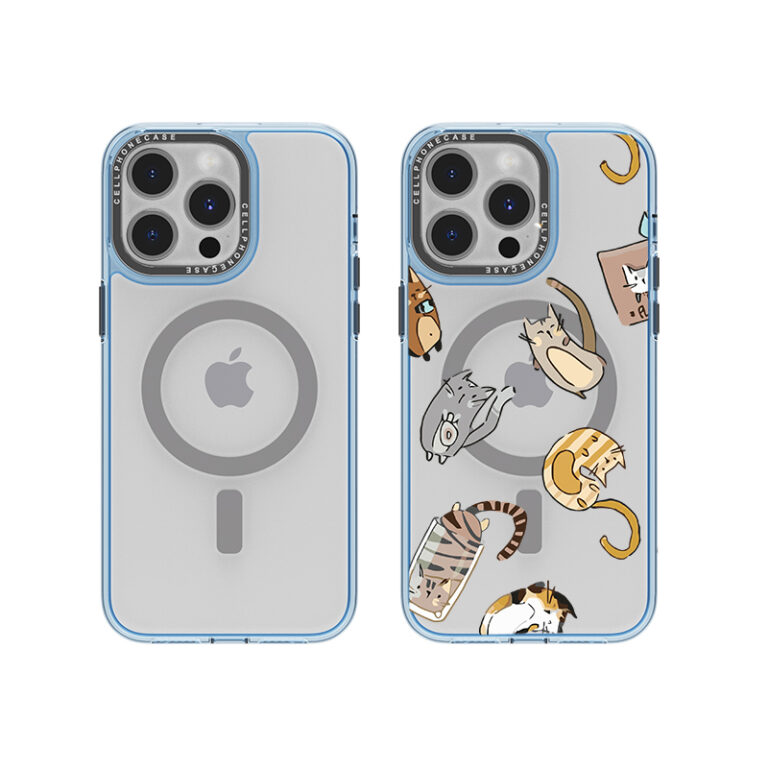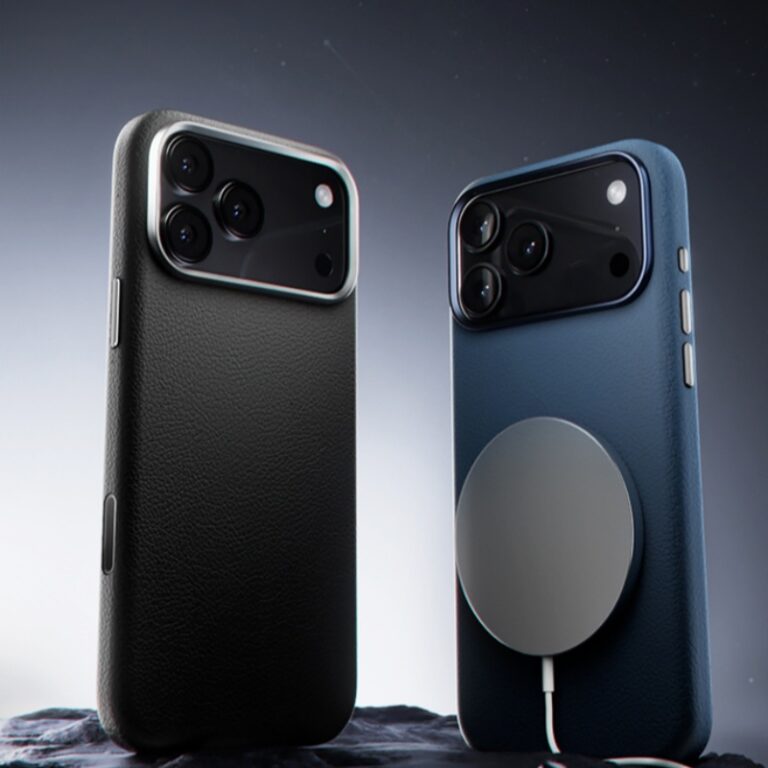
First-time buyers can choose a phone case manufacturer by working in stages instead of trusting broad claims. Send every candidate the same product brief, confirm who you are contracting with and how your case will actually be made, then judge a sample or small pilot only on what it really shows.

Each stage ends in one of three outcomes: proceed, pause for missing evidence, or reject. These are practical buyer checks, not a guarantee of a safe first order. They do keep you from committing money before the key facts line up.
Set One Comparable Product Brief
Every candidate should get the same written request so their quotes and answers cover the same product and order. If you need a reference point for supplier capabilities while drafting, check our store homepage. Use the practical starting fields below—not an industry-standard RFQ, but adaptable to your project when kept identical across suppliers.
-
Product identity: the exact phone models and generations, such as a specific iPhone model rather than “latest iPhone.”
-
Construction and customization: case type, materials, and any design, printing, or decoration requirements.
-
Market and packaging: your target market (for example, US retail or online sales) and your packaging needs.
-
Order and commercial inputs: trial quantity, expected repeat quantity, target price in dollars, and timing.
The brief also tells each supplier what kind of job this is. A catalog or private-label case is based on an existing product. A custom design or tooling request needs new work. Say which one you want. Otherwise one cell phone case manufacturer may quote a stock item while another quotes custom production, and you can’t compare the numbers.
Verify the Contracting Entity and Production Route
Next, find out who is selling to you, where the case will be made, and who is responsible for quality. Ask for these answers in writing so you can check them against your order documents.
Check Who Contracts with You
Ask for the legal name of the company that will sign the contract and receive payment. Then compare it with the quote, the contract, the invoice, and the bank or payment details. If the names or details don’t match, or a document is missing, sort that out before you go any further.
Company research is a standard step in any overseas deal. The U.S. International Trade Administration’s general foreign-partner diligence guidance lists company and partner risk as an area to assess and advises researching a potential foreign partner. That guidance covers partner research in general. You still need the phone-case-specific checks below.
Trace Production and Quality Responsibility
A company that calls itself a phone case factory may make everything in-house, use partners for some steps, or act as a broker. Any of these setups can work. What matters is that the route is disclosed and that someone clearly owns quality. Ask:
-
Which entities are involved in making your order?
-
Where is each production step done, such as molding, printing, assembly, and packing?
-
Which steps, if any, are subcontracted, and to whom?
-
Who performs each quality check, and at what stage?
-
How are check results recorded, and can you see those records?
Treat the answers as evidence to compare, not proof of capability. Vague or shifting answers are a reason to pause.
Use a Sample and Pilot to Test Only What They Cover
Samples and pilots are useful, but each one only tells you about the item or run you actually examined. Plan what you’ll check before anything arrives.
Assess the Sample Against Written Criteria
Judge the sample against the criteria in your brief. Check that it fits the exact phone model you specified, uses the materials you asked for, and matches your design, decoration, and packaging requirements. Write down what passed and what didn’t.
Keep the conclusion narrow. A good sample shows that this one item met these criteria. It doesn’t show that thousands of units will match, or that the supplier can handle a different model or finish.
Use a Bounded Pilot or Visit as a Limited Observation
When it suits the project, a small pilot run lets you check the agreed product and process on that run. Set the quantity, the criteria, and the records you expect before the run starts, then compare the results with the brief.
A facility visit works the same way. You see the areas, records, and moment you saw. Neither a pilot nor a visit proves that later production will stay consistent, or that the supplier has capabilities you didn’t observe. Use the results to decide the next stage, not to skip the remaining ones.
Decide Whether to Proceed, Pause, or Reject
Score every candidate against the same brief and evidence questions, then put each one into one of three outcomes. These are practical buyer rules, not a universal score.
| Outcome | Evidence condition | Next action |
|---|---|---|
| Proceed | Documents agree; observed results meet your written criteria | Move to the next stage only |
| Pause | Key evidence missing but obtainable, or fixable inconsistencies | Request it; hold payments |
| Reject | Essential requirements fail or major inconsistencies remain | End talks with this candidate |

“Proceed” means you can move to the next step, such as a pilot after a sample. It doesn’t mean the supplier is cleared for every future order.
Do not send a production deposit until the contracting entity, written product specifications and acceptance terms, and payment recipient are clear and consistent. If any of the three is still uncertain, the candidate stays in “pause.”
Your next move depends on where each candidate landed. Chase down the missing evidence for the ones in “pause,” and take the ones in “proceed” only one stage further.
FAQs
Should I only work with a supplier that owns its factory?
Not necessarily. Some suppliers manufacture directly and others coordinate partners. A disclosed production route with clear responsibility for quality checks matters more than the label “manufacturer.”
Does a phone case manufacturer in China, the USA, or the UK need different checks?
The core steps stay the same: one brief, identity and route checks, bounded sample evaluation, and a clear decision. Rules for import, registration, and product requirements vary by country, so look those up separately for your market.
How many phone case manufacturers should I compare?
There’s no fixed number. Compare enough candidates that you aren’t stuck if one fails, and give every one of them the same brief so the results stay comparable.
Can I change my brief after quotes come back?
Yes, but send the revised brief to every remaining candidate. If only one supplier quotes the updated version, you lose the side-by-side comparison.