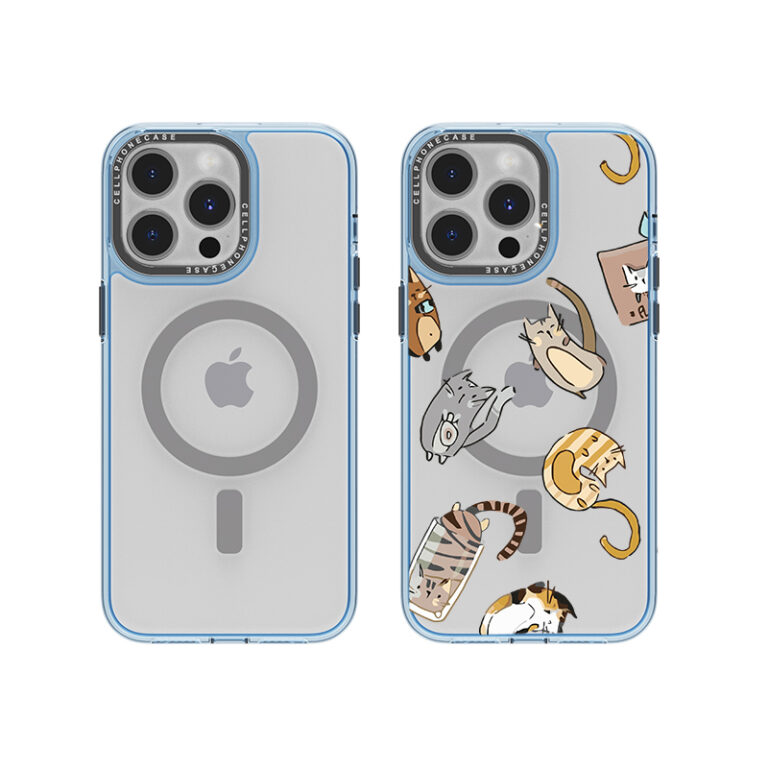
Stop reordering cases for an older phone model in two situations. The first is when the stock you can sell now, plus inbound stock that will arrive in time, already covers the demand you expect. The second is when the supplier’s minimum order quantity (MOQ) would probably leave more units than you can sell before you plan to drop the SKU. The age of the phone does not decide this on its own. A three-year-old model with steady sales can still justify another order, while a newer model that has slowed down may not.

So your phone case reorder cutoff comes from one SKU’s own numbers. Look at its sell-through, the demand still left, your supplier’s terms, and how many leftover units you can accept.
The Reorder Cutoff: Demand Must Justify the MOQ
Each new order has to pass two tests. The first is timing. Without a new order, would this SKU run out before the supplier could restock it? If your current and inbound stock already lasts past that point, another order fills no gap. It only adds risk.
The second test is absorption. Can the remaining demand use up an order the size of the MOQ? To answer that, you need a carry window. This is how long you still plan to list and sell this particular case SKU. You set it as a business choice, such as through the next selling season or until you clear the shelf space. It is not a fixed number of months after the phone launched.
Compare the stock you would have after an MOQ order with the sales you expect during the carry window. Units left at the end of the window are stranded stock, also called dead stock. How much of that you can live with is your call for each SKU. It depends on your margins, your storage costs, and whether you have a clearance channel. Reorder only when both tests pass. Timing has to show a real need, and likely demand has to absorb the order.
Estimate Remaining Demand for the Exact Case SKU
Base the forecast on this one SKU’s sales, not on assumptions about the phone’s age. Follow these steps:
- Isolate the exact SKU. Look at one phone model and one case style or color at a time. If you pool several models or case lines together, a SKU that has slowed down can hide behind one that is still selling well.
- Review sales history and the current trend. Check weekly or monthly unit sales. A steady decline means a different forecast than a flat line, even when the lifetime totals are the same.
- Set the carry window. Choose how long you will keep selling this SKU, then estimate unit sales over that period only.
- Adjust for unusual periods and returns. A clearance promo or a holiday spike like Black Friday may not reflect ongoing demand. Leave it out or weight it lower if it would inflate the trend. Oracle Retail’s forecast documentation lists holidays, promotions, and returns among the factors its demand forecast can take into account. Those are reasonable inputs to check, but you don’t have to adjust for every one of them.
- Build a low and a high estimate. When demand is uncertain, write down a cautious number and an optimistic number. You’ll test the MOQ against both later.
Handle returns the same way your sales reports do. If your sales figures are already net of returns, don’t subtract returns a second time. Also keep two kinds of returns apart. Some returned cases can go back on the shelf. Others are damaged or opened and can’t be resold, so they don’t count as supply.
Reconcile Sellable Stock, Returns, and Supplier Timing
Once you have a demand estimate, work out your true supply position. Two documented planning methods show the basic logic. Oracle Inventory’s reorder-point method triggers a reorder when on-hand quantity plus planned receipts drops below safety stock plus forecast demand during the replenishment lead time. Oracle Inventory’s min-max planning documentation can calculate total available as on-hand plus on-order minus open demand when demand netting is turned on. It also raises a suggested order to the configured minimum order quantity. That last behavior is the reason an MOQ can push you past what you actually need.
Pull these records for the SKU:
- Sellable on-hand units. Count only stock you can ship. Leave out damaged units and units on hold.
- Confirmed inbound receipts and their dates. A purchase order that lands after you would have run out doesn’t cover demand before that date.
- Open demand. This includes backorders, wholesale allocations, and reserved marketplace stock. Subtract it only if your inventory balance or forecast doesn’t already reflect it, so you don’t count it twice.
- Resellable returns you expect. Count them as supply only if they can realistically go back on sale.
- The supplier’s current lead time and MOQ for this SKU. Take these from a current quote, current terms, or your recent purchase orders rather than relying on outdated figures.
Next, run two checks. First, will sellable stock plus inbound stock that arrives in time cover forecast demand during the supplier’s lead time? If it won’t, you face a stockout risk. Second, how many units would be left at the end of the carry window if you ordered the full MOQ? A simple way to work it out: (sellable on hand + timely inbound + resellable returns − open demand + MOQ) − forecast demand for the carry window = likely ending surplus. Use this as a decision aid, not as a proven formula.
Choose: Reorder, Stop, or Reassess
Each comparison should end in one of three decisions:
- Reorder when you would run out before the supplier could restock, and both your cautious and optimistic demand estimates would sell through an MOQ-sized order within the carry window.
- Stop when current and timely inbound stock already covers expected demand, or when the MOQ would likely leave more surplus than you’re willing to hold. Even with your cautious estimate, the remaining demand simply can’t absorb the minimum.
- Reassess when the answer depends on which estimate you use. If only the optimistic number supports the order, don’t treat it as certain. Wait for a few more weeks of sales data, recheck returns and stock, or ask the supplier about a smaller lot, a shared MOQ across colors, or a different supply arrangement.

Stopping reorders doesn’t mean giving up on the SKU right away. Keep selling the units you already have and those still on order. Watch sell-through as the stock drains, and plan markdowns or bundles before the end of the carry window, not after it.
If you work with our team on case supply through our store homepage, bring your SKU-level numbers when you ask about lot sizes for older models. That way we can talk through realistic options together.
FAQs
Is there a standard age when phone cases should stop being reordered?
No. No single age or generation cutoff fits every SKU. Some older models keep selling steadily while others drop off quickly. Use the SKU’s own sell-through and remaining demand, compared with your supply and the supplier’s MOQ.
What if the MOQ is much larger than the demand I have left?
If even your optimistic estimate can’t sell through the minimum within your carry window, stop reordering. You can also try negotiating a smaller lot or splitting the MOQ across colors. Then manage the stock you already have.
Should returned cases count toward available stock?
Only if they can be resold. Count resellable returns as supply, leave out damaged or unsellable ones, and treat returns the same way in your sales and inventory records.
How often should I review an older model’s case SKUs?
Review them before each potential purchase order, and again whenever sales, returns, or supplier terms change noticeably. Decisions in the “reassess” group need a fresh look once you have new sales data.