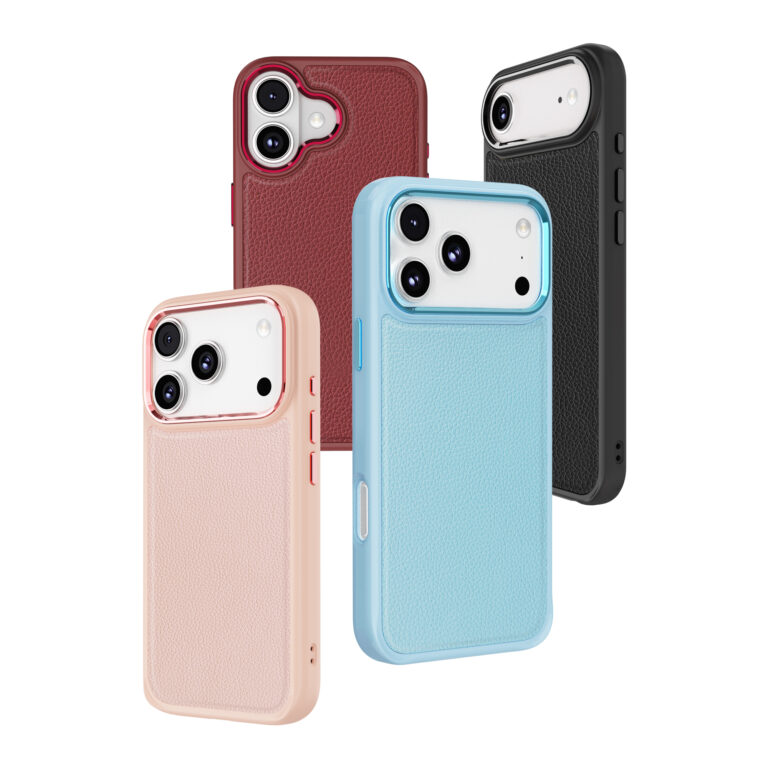
Phone case pricing works best when each price tier gives customers a clear reason to pay more. For retailers planning a bulk purchase of iPhone cases or other wholesale phone cases, the ladder should connect retail price with product cost, materials, features, packaging, and target margin. A Good-Better-Best structure can create clear choices without filling the range with too many similar SKUs.
Start Pricing From the Product Role
Set the product role before choosing the final retail price. Cases with different purposes can support different price levels even when they serve the same phone model.
- Entry: Simple clear, TPU, PC, or hybrid cases with straightforward finishes and packaging. These products usually focus on broad model coverage and accessible pricing.
- Mid-range: Cases with upgraded finishes, magnetic functions, better decoration, or more refined structures. The extra value should be easy for customers to see.
- Premium: Products using more specialized materials, more complex structures, premium finishes, private molds, or stronger packaging presentation.
- Functional: Kickstand, wallet, grip, magnetic, or other feature-led cases. These can sit in the mid-range or premium tier depending on the structure and added function.
- Fashion-led: Printed cases, seasonal colors, textures, or collaboration designs. Their price can reflect the design and finish, while order quantities should account for a shorter trend cycle.
- Sustainability-focused: Cases using documented recycled or bio-based materials can occupy different price tiers depending on the material, construction, and packaging. Environmental claims should stay specific. The FTC’s Green Guides advise against broad, unqualified terms such as “green” or “eco-friendly.”
The same collection can include several of these roles. The important point is that each product has a clear customer, price level, and reason for being in the range.
What Belongs in the Good-Better-Best Ladder
A Good-Better-Best pricing strategy, as described by Harvard Business Review, gives shoppers three clear choices at different price and value levels. For phone cases, each tier should have an easy-to-see difference in materials, features, finish, or packaging. For phone cases, the ladder can look like this:
| Area | Good | Better | Best |
|---|---|---|---|
| Product role | Everyday value | Main mid-range offer | Premium or specialized option |
| Materials | Common TPU, PC, or hybrid construction | Upgraded material combination or finish | More specialized or premium material direction |
| Structure | Simple, proven case structure | More refined protection or component design | More complex or differentiated structure |
| Features | Basic protection | Magnetic function or added convenience | Advanced stand, wallet, component, or other premium feature |
| Decoration | Simple color or logo | Printing, texture, coordinated details | More complex finish, material treatment, or custom design |
| Packaging | Simple retail-ready packaging | Stronger branded presentation | Premium box or gift-oriented presentation where appropriate |
| Model coverage | Broad | Broad across priority models | More selective where demand supports the higher price |
Margin should also be calculated from the same cost basis across all three tiers. For sourcing comparisons, buyers should include the costs they use in their landed-cost calculation, such as the case, custom components, packaging, freight, and other applicable costs. Comparing retail price only with the factory unit price can make one tier look more profitable than it really is.
How Materials and Features Change the Price Tier
Materials and functions affect both product cost and the value customers can see. A higher-cost specification makes more sense when it supports a clear difference in the finished product.
Materials and Structure Set the Cost Base
TPU, PC, and TPU + PC constructions can work across several price levels. A simple TPU case may fit an entry range, while a more detailed hybrid structure with refined buttons, camera protection, or a special finish can move higher.
Silicone and leather-style surfaces may support a softer or more premium look. Aramid fiber can support a thin, technical product direction when the material and finished construction match the intended positioning.
Besides material choice, thickness, structure, finish quality, components, and overall construction also affect where the case fits in the price ladder.
Features, Decoration, and Packaging Add Visible Value
Magnetic rings, kickstands, wallets, grips, camera components, printed artwork, special finishes, and packaging can move a case into a higher tier when they add value customers can easily understand. For example, a basic clear case and a clear magnetic case may use a similar visual direction, while the magnetic version adds compatibility with suitable magnetic accessories. A kickstand case adds another practical function. A printed fashion case may justify a different price through artwork and finish rather than extra hardware.
Packaging can support the same price difference. An entry case may need simple retail-ready packaging, while a premium product may benefit from a stronger box, better presentation, or gift positioning.
Runsuncase can help brands compare available structures, materials, finishes, branding, packaging, and private mold options through its brand customization service. These options can be reviewed together so each price tier is based on a clear product specification rather than a label alone.
How Retail Channels Affect Pricing Decisions
The same case can play a different pricing role depending on where it is sold.
Supermarkets and large retail chains usually need price differences that shoppers can understand quickly. Good, Better, and Best products should look different enough on the shelf through their function, finish, material, or packaging. Core products also need enough stock to support repeat sales across multiple stores.
E-commerce gives brands more room to explain features through images, video, product descriptions, and comparison content. It can also support more colors and designs, but platform fees, promotions, returns, fulfillment costs, and advertising can affect the margin left at the final selling price.
Distributors have another pricing layer to consider. Their purchase price needs to leave enough room for their own business costs and for the retailer or reseller buying from them. A wholesale phone case program therefore needs to consider the final channel price as well as the factory quote.
Runsuncase’s retail customization service supports retail-ready packaging, barcodes, labels, hanging formats, and shelf presentation. These can be planned around the intended retail channel and price tier before packaging is approved.
Avoid Too Many SKUs in Each Price Tier
A Good-Better-Best ladder can create too many SKUs when every tier is offered in many colors, phone models, and feature combinations. For example, one phone model with three price tiers and five colors already creates 15 SKUs. Once several iPhone and Samsung models are added, inventory can quickly become spread across too many products.
Give the widest model and color coverage to the cases that are most likely to be reordered. Entry and mid-range core cases may justify more options because they usually serve a broader group of customers. Premium, seasonal, or specialized cases can start with fewer models and colors until sales show where more variety is needed.
The differences between price tiers should also be clear. If the Better and Best cases look and function almost the same, shoppers may simply choose the cheaper option. For a bulk purchase, a simpler SKU plan keeps more inventory behind the products expected to sell regularly and makes reorders easier to manage.
What to Confirm Before Sampling a New Price Tier
Sampling should show whether the planned price tier works in both cost and product value. Before making samples, confirm the target retail price, expected margin, product specification, and order quantity so the sample is built around a realistic commercial target.
Target Price, Margin, and Cost Limit
Start with the intended retail price and the margin the channel needs. Then calculate the product cost range the tier can support, including the case, custom components, packaging, freight, and other costs included in the buyer’s landed-cost calculation.
This gives the development team a clear limit when choosing materials, finishes, features, and packaging. Order quantity should also be confirmed at this stage because custom colors, printing, components, and packaging may have different minimums. The quote should use the planned SKU and quantity breakdown rather than one total order figure.
Product, Packaging, and Tier Differences
The sample should represent the complete retail product. Review the case together with its packaging and check whether the material, finish, function, branding, and presentation match the intended price tier.
The differences between Good, Better, and Best should also be easy to see. A mid-range case may add a magnetic function or upgraded finish, while a premium version may use a more complex structure, material, component, or packaging format. If two tiers look and function almost the same when placed side by side, the specification may need further adjustment before bulk production.
Build Price Tiers Customers Can Understand
A Good-Better-Best ladder works when each step adds clear value. Start with the product role, then connect materials, functions, packaging, model coverage, and cost to the intended retail price. Keep enough stock behind core iPhone cases and other repeat SKUs, while using premium or specialized products more selectively. Before placing a bulk order, sample each tier as a complete retail product and confirm that its cost and customer value support the planned margin.
FAQs
Q1. Do Good, Better, and Best Phone Cases Need Different Molds?
No. Several tiers can sometimes use the same base structure with different materials, finishes, features, or packaging. A new mold makes sense when the higher tier needs a structural difference that the existing platform cannot support.
Q2. Should Every Phone Model Have All Three Price Tiers?
Usually, no. High-demand models may support several price levels, while lower-volume models may only need the core Good or Better option. Use actual sales and reorder data to decide where the premium tier deserves wider coverage.
Q3. How Should Packaging Cost Affect Phone Case Pricing?
Include packaging in the cost basis used for pricing. A premium box can support a higher-value presentation, but its cost still needs to fit the target margin. Packaging should match the sales channel and product tier rather than add cost without a clear retail purpose.
Q4. When Should Retailers Review the Price Ladder After Launch?
Review it after enough sales data is available to compare sell-through, reorders, promotions, returns, and margin by tier. If one tier sells slowly or requires frequent discounting, adjust its price, specification, or SKU count before the next order.