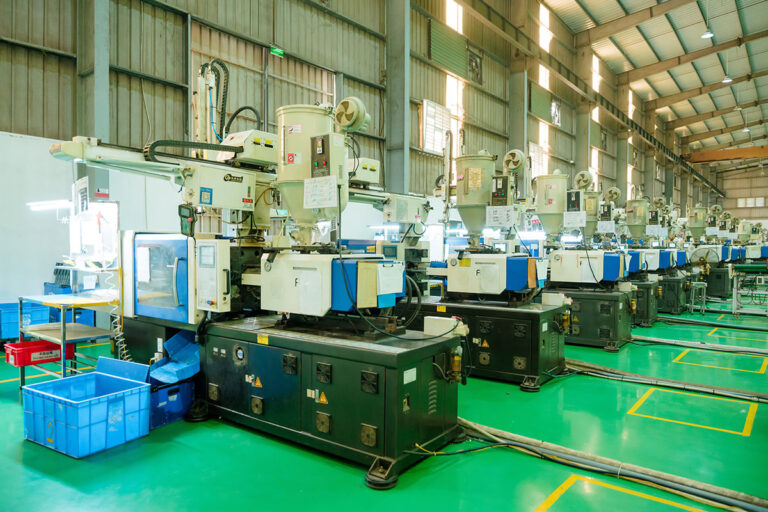
Use in-line inspection when an issue could repeat through the rest of the run and you can still fix it during production. Use pre-shipment inspection to check finished cases, packaging and labels before they ship. Many buyers book both, but that depends on the order’s risk.
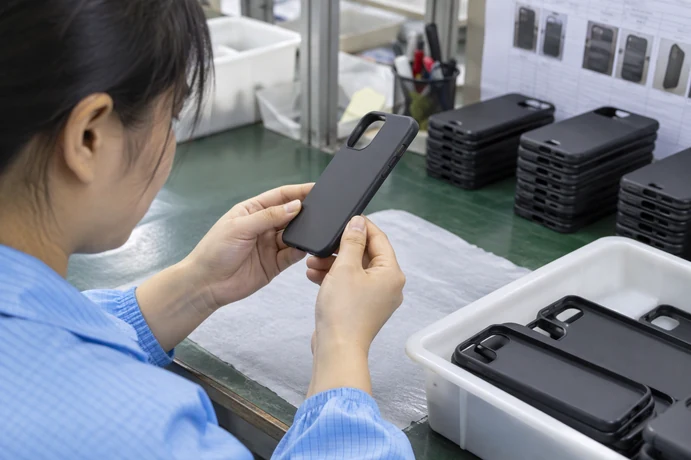
For bulk phone case inspection, timing decides what you can still fix. It does not decide whether goods pass. That depends on the criteria and inspection scope you agree on with your supplier before anyone walks the factory floor.
How the Inspection Windows Differ
The two inspections happen at different points in the run, so each one shows you different things. In PPAI’s description of the two inspection windows, during-production (DUPRO, or in-line) checks start after production begins and finish before the order is complete. The final pre-shipment inspection (PSI) looks at finished goods. It also confirms packaging requirements, product and packaging labels, and any other agreed specifications.
| Factor | In-line (during production) | Pre-shipment (PSI) |
|---|---|---|
| When it happens | After production starts, before the order is complete | When goods are finished and mostly packed |
| What it can assess | Workmanship, measurements, process consistency, emerging defect patterns | Finished-product conformity, quantity, function, labeling, packaging |
| Main advantage | Some of the run is still left to correct | Shows what is actually ready to ship |
| Timing limit | Final packed goods do not exist yet | Fewer options remain if a problem turns up |

Here is what that means for a phone case order. An in-line check can catch a fit or finish problem while there is still time for the factory to adjust. It can’t confirm retail packaging or carton labels that haven’t been made yet. A PSI can confirm those, but fewer options remain if recurring defects are found only after production wraps up.
Both inspections usually check a sample, not every case. Acceptance sampling uses a defined sample to make a decision about a larger lot. As quality inspection guidance on sampling explains, there is always a risk that the sample differs from the lot. A pass is evidence about the lot. It doesn’t guarantee that every unit conforms.
Choose Inspection Timing by Order Risk
Pick your timing based on where the risk sits and how expensive a late fix would be. Waiting until goods are packed leaves fewer options. Earlier checks can find problems while materials, tooling, or production methods can still be corrected. The same source notes that a repeat order from a stable supplier may need different coverage than a new, technically complex product made at an unproven facility.
Prioritize in-line inspection when the process is uncertain or has changed, and a defect could repeat across the rest of the run. Typical cases are a new case design, a new supplier, or an unfamiliar material. Finding the problem early means fewer affected units.
Prioritize pre-shipment inspection when your main need is to verify the completed order. That covers final quantity, how the finished product looks and works, labeling and packaging. A stable repeat order with a proven process often falls here. Stable still doesn’t mean you can skip inspection. It means the coverage can look different.
Consider both when each stage covers a real risk: early correction matters, and you also need to verify the finished goods. PPAI recommends combining both stages, with DUPRO used alongside the final pre-shipment inspection. Treat this as one organization’s guidance, not a universal rule.
To decide, weigh the cost of an extra in-line visit against what happens if a recurring defect is found only after the full run is done. How many cases could be affected? Can they be reworked? Would a delay hurt your launch or retail window? Those answers depend on your own order. No general source puts a dollar figure on them.
Risk can also change in the middle of a relationship. Look at your coverage again after a material substitution, factory transfer, failed test, capacity increase, complaint trend or repeated defect. Any one of these can make an earlier check worth paying for, even on a familiar SKU.
Agree on Criteria and Scope Before Inspection
Timing tells you when an inspection happens. It doesn’t tell anyone what to check or how to judge what they find. An inspector shouldn’t make up acceptance criteria on the factory floor. Before booking either inspection, settle these points in writing with your supplier. They are the core elements of a practical inspection plan:
- Scope: product, SKU, order, facility, lot and production stage.
- Governing references: specification revision, approved sample, artwork and packaging standard.
- Checks: characteristics to examine, measurements to take and on-site tests to perform.
- Sampling: lot definition, sampling method, inspection level and sample size.
- Defect definitions: critical, major and minor, with photos or boundary samples where judgment is involved.
- Decision rules: acceptance and rejection rules, who can call pass, fail or hold, and what follow-up is required, such as rework or reinspection.
For phone cases, the references might include an approved color sample, print artwork and the retail box spec. The specific tolerances and thresholds are yours and your supplier’s to set. Without them, an in-line check and a PSI both produce reports that are hard to act on.
Your next step: write down these criteria with your supplier, then choose the timing that fits your order’s risk. If you’re planning a run with us, we can go through the inspection scope with you before production starts on our store homepage.
FAQs
Can in-line inspection replace pre-shipment inspection?
Not automatically. An in-line check happens before the goods are finished and packed, so it can’t confirm final packaging, labels or the completed quantity. If those matter for your order, you still need a final check.
Does a passed pre-shipment inspection mean every case is defect-free?
No. A sample-based inspection supports a decision about the lot, but the sample can differ from the lot. High-risk characteristics may call for tighter rules, extra testing or 100% checks.
Do repeat orders need inspection at all?
Usually yes, but the coverage can differ. A stable repeat order may need less in-line attention than a new design. Changes such as a new material or a different factory are a reason to look at it again.
Who decides when the in-line inspection happens?
Agree on it with your supplier as part of the inspection plan. PPAI notes that in its industry, the party taking ownership of the goods usually sets DUPRO timing and frequency. Write down whoever is responsible.